Celestron NexStar 8SE vs Sky-Watcher EvoStar 100ED: A Deep Dive into Two Leading Telescope Models
In the vast world of astronomy, a good telescope can make all the difference between an ordinary stargazing experience and an extraordinary journey through the universe.
Among the myriad of options available to enthusiasts, two names stand out for their exceptional performance and features: the Celestron NexStar 8SE and the Sky-Watcher EvoStar 100ED.
Both renowned for their quality and capabilities, these precision instruments cater to different aspects of astronomical observation.
In this comparative analysis, we will delve into the key features, pros and cons, and real-world performance of these popular telescope models to help you choose the one that best suits your stargazing needs.
Let’s embark on this celestial exploration and unravel the mysteries of the night sky with the Celestron NexStar 8SE and the Sky-Watcher EvoStar 100ED.
Importance of a Good Telescope
Investing in a good telescope is crucial for any astronomy enthusiast looking to delve deeper into the wonders of space.
A high-quality telescope can enhance your viewing experience by providing clear and detailed images of celestial objects such as planets, stars, nebulae, and galaxies.
The precision optics and advanced features of models like the Celestron NexStar 8SE and the Sky-Watcher EvoStar 100ED enable users to explore the night sky with unparalleled clarity and precision.
Precision Instruments for Different Needs
While both the Celestron NexStar 8SE and the Sky-Watcher EvoStar 100ED are known for their exceptional performance, they cater to slightly different aspects of astronomical observation.
The NexStar 8SE, with its advanced computerized mount and extensive database of celestial objects, is ideal for those interested in automatic tracking and go-to functionality.
On the other hand, the EvoStar 100ED, with its premium apochromatic refractor design, is favored by astrophotography enthusiasts for capturing stunning images of deep-sky objects with minimal chromatic aberration.
Key Features of the Celestron NexStar 8SE
The Celestron NexStar 8SE combines a high-quality 8-inch Schmidt-Cassegrain optical tube with a user-friendly computerized mount.
Its StarBright XLT coatings enhance light transmission, providing sharp and bright images of celestial objects.
The telescope’s NexStar+ hand control allows for easy navigation through its extensive celestial database, making it a versatile tool for both novice and experienced astronomers.
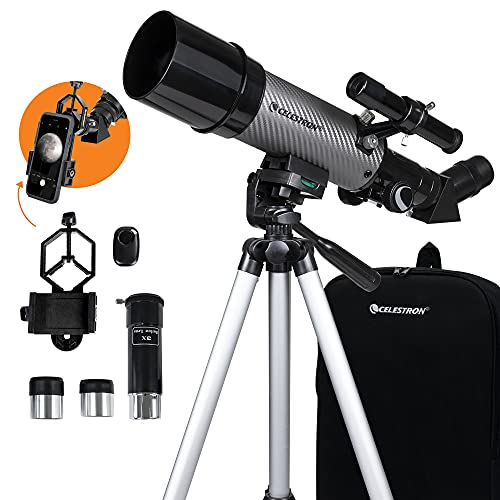
Key Features of the Sky-Watcher EvoStar 100ED
The Sky-Watcher EvoStar 100ED features a premium 100mm apochromatic refractor lens, designed to minimize chromatic aberration and deliver crisp, high-contrast images.
Equipped with a dual-speed Crayford focuser, this telescope offers precise focusing for astrophotography purposes.
Recommended to our readers: Click here
Its sturdy yet lightweight construction and retractable dew shield make it a portable and convenient option for on-the-go stargazing sessions.
Real-World Performance
In real-world testing, both the Celestron NexStar 8SE and the Sky-Watcher EvoStar 100ED have garnered praise for their optical performance and user-friendly features.
The NexStar 8SE’s automatic tracking and alignment capabilities make it a popular choice for casual observers and seasoned astronomers alike.
On the other hand, the EvoStar 100ED
The Battle of Optics: Optical Design and Aperture
When it comes to telescopes, the optical design and aperture size play a crucial role in determining the clarity and magnification of celestial objects.
The Celestron NexStar 8SE boasts an impressive 8-inch aperture with a Schmidt-Cassegrain optical design, renowned for its versatility and compactness.
On the other hand, the Sky-Watcher EvoStar 100ED features a 100mm doublet apochromatic refractor with extra-low dispersion glass, delivering exceptional color correction and sharpness.
While the NexStar 8SE offers higher light-gathering capabilities ideal for deep-sky observations, the EvoStar 100ED excels in providing crisp, high-contrast views of planets and lunar surfaces.
Whether you prioritize wide-field views of nebulae and galaxies or detailed observations of celestial bodies, understanding the optical differences between these models is essential in making an informed choice.
Importance of Optical Design and Aperture in Telescopes
Optical design and aperture size are critical factors that impact the performance and capabilities of telescopes when observing celestial objects.
The choice between different optical designs can greatly influence the quality of the image produced, as well as the versatility of the telescope in accommodating various observing needs.
Schmidt-Cassegrain Optical Design of the Celestron NexStar 8SE
The Schmidt-Cassegrain optical design, utilized in the Celestron NexStar 8SE, is a popular choice for many astronomers due to its unique combination of reflector and refractor elements.
This design features a spherical primary mirror with a thin correcting lens, resulting in a compact and portable telescope that offers excellent image quality.
The 8-inch aperture of the NexStar 8SE provides a significant light-gathering capability, making it ideal for observing faint deep-sky objects such as distant galaxies, star clusters, and nebulae.
Advantages of the Sky-Watcher EvoStar 100ED Apochromatic Refractor
In contrast, the Sky-Watcher EvoStar 100ED boasts a 100mm doublet apochromatic refractor design that incorporates extra-low dispersion (ED) glass elements.
Apochromatic refractors are known for their superior color correction properties, ensuring minimal chromatic aberration and delivering sharp, high-contrast images.
The 100mm aperture of the EvoStar 100ED strikes a balance between portability and light-gathering capability, making it an excellent choice for observing planetary details, lunar features, and double stars with exceptional clarity.
Tailoring Your Observations to Optics and Aperture Size
When selecting a telescope based on its optical design and aperture size, it is important to consider your specific observing preferences.
If you are drawn to capturing detailed views of planets, the Moon, and double stars with crisp clarity, a telescope like the Sky-Watcher EvoStar 100ED may be the ideal choice.
On the other hand, if your interests lie in exploring the depths of the universe and observing faint deep-sky objects like galaxies and nebulae, the Celestron NexStar 8SE’s larger aperture would be more suited to your needs.
Conclusion
Recommended to our readers: Click here
In conclusion, both the Celestron NexStar 8SE and the Sky-Watcher EvoStar 100ED offer unique optical designs and aperture sizes that cater to different astronomical pursuits.
By understanding the strengths and characteristics of each telescope’s
Mounting Matters: GoTo Technology and Tracking Accuracy
In the realm of modern telescopes, convenience and precision are synonymous with advanced mounting technologies.
The Celestron NexStar 8SE comes equipped with a computerized altazimuth mount and SkyAlign technology, enabling seamless navigation to thousands of celestial objects with just a few clicks.
Its intuitive GoTo system and tracking accuracy make it a favorite among beginners and seasoned astronomers alike.
Conversely, the Sky-Watcher EvoStar 100ED features a versatile equatorial mount with manual slow-motion controls, offering precise tracking capabilities for astrophotography enthusiasts aiming for long-exposure shots.
While the NexStar 8SE excels in automated sky scanning and object tracking, the EvoStar 100ED provides finer control over pointing accuracy and tracking rates, catering to different observational preferences and imaging requirements.
GoTo Technology for Celestron NexStar 8SE
The GoTo technology incorporated in the Celestron NexStar 8SE mount represents a breakthrough in the ease and accuracy of locating celestial objects in the night sky.
By utilizing a vast database of stars, planets, galaxies, and other celestial entities, the GoTo system can automatically pinpoint and track these objects once calibrated.
This feature not only saves time that would otherwise be spent manually searching for targets but also enhances the overall stargazing experience by enabling users to focus more on observing rather than navigating the telescope.
Recommended to our readers: Click here
Tracking Accuracy with SkyWatcher EvoStar 100ED
Equipped with an equatorial mount that boasts exceptional tracking capabilities, the SkyWatcher EvoStar 100ED offers a different but equally valuable experience compared to the NexStar 8SE.
The precise manual slow-motion controls on the equatorial mount allow astrophotography enthusiasts to adjust the telescope’s position gradually, ensuring smooth and accurate tracking for capturing stunning long-exposure images of celestial objects.
This level of control is especially beneficial for photographers aiming to capture detailed images without any blurring or distortion caused by tracking errors.
Tailored Observational Experiences
The contrasting features of the Celestron NexStar 8SE and the SkyWatcher EvoStar 100ED cater to a wide range of observational preferences and imaging requirements within the astronomy community.
While the NexStar 8SE excels in automated sky scanning and effortless object tracking, making it an ideal choice for beginners and observers who prioritize convenience, the EvoStar 100ED prioritizes finer control over pointing accuracy and tracking rates, making it a preferred option for astrophotography enthusiasts seeking maximum precision in capturing long-exposure shots.
Ultimately, the choice between these two telescopes boils down to the individual’s specific needs, be it automated navigation for ease of use or manual control for precise imaging.
Portability and Setup: Weight, Dimensions, and Ease of Use
One often overlooked aspect of telescope selection is portability and ease of setup, especially for astronomers on the go or those with limited storage space.
The Celestron NexStar 8SE strikes a balance between performance and portability, weighing around 24 pounds and featuring a compact design ideal for backyard or remote observations.
Its single fork arm mount and quick-release optical tube facilitate swift assembly and alignment, making it a popular choice for those seeking a hassle-free setup process.
In contrast, the Sky-Watcher EvoStar 100ED, with its sleek tube design and lightweight construction, offers enhanced portability at just under 14 pounds, perfect for astronomers who value mobility and simplicity in their stargazing endeavors.

Whether you prefer the convenience of a grab-and-go telescope or the stability of a robust setup, considering the weight, dimensions, and ease of use of these models is essential in maximizing your observing experience.
Importance of Portability for Astronomers
When it comes to choosing a telescope, especially for astronomers who are frequently on the move or have limited space, portability is a key factor to consider.
A portable telescope allows for flexibility in choosing observation locations, whether it’s your backyard, a remote dark sky site, or while traveling to a specific stargazing destination.
The ability to easily transport and set up your equipment can significantly impact the frequency and enjoyment of your astronomy sessions.
Celestron NexStar 8SE: Balancing Performance with Portability
The Celestron NexStar 8SE is a prime example of a telescope that strikes a balance between performance and portability.
Weighing in at around 24 pounds, it is considered lightweight for an 8-inch telescope, making it manageable for transportation and setup by most users.
The compact design of the NexStar 8SE makes it a versatile choice for backyard observations or for taking it to darker skies away from light pollution for better views of celestial objects.
Sky-Watcher EvoStar 100ED: Enhancing Portability and Ease of Use
In contrast, the Sky-Watcher EvoStar 100ED offers astronomers an even more portable option at just under 14 pounds.
Its sleek tube design and lightweight construction ensure that users can easily carry it to their preferred observation spots without much hassle.
The convenience of such a manageable weight allows for quick and effortless setup, perfect for astronomers who prioritize mobility and simplicity in their stargazing experiences.
Swift and Hassle-Free Setup Processes
Both the Celestron NexStar 8SE and the Sky-Watcher EvoStar 100ED are designed with features that prioritize ease of setup.
The Celestron model’s single fork arm mount and quick-release optical tube enable users to assemble and align the telescope swiftly, saving time and effort so you can focus on observing the night sky.
Similarly, the Sky-Watcher EvoStar’s lightweight construction and user-friendly design make it a grab-and-go option that minimizes setup time, allowing you to start stargazing almost immediately upon reaching your observing location.
Conclusion
When choosing between telescopes, weighing the portability, dimensions, and ease of use of different models can significantly impact your observing experience.
Whether you opt for the balance of performance and portability offered by the Celestron NexStar 8SE or prioritize enhanced ease of use and mobility with the Sky-Watcher EvoStar 100ED, selecting a

Beyond the Specifications: Real-World Performance and Observational Insights
Recommended to our readers: Click here
While technical specifications provide a good starting point for comparing telescopes, nothing beats real-world performance and firsthand observations in evaluating their true capabilities.
Imagine pointing the Celestron NexStar 8SE towards the Orion Nebula on a clear winter night and marveling at the intricate details of glowing gas clouds and newborn stars, thanks to its powerful light-gathering capabilities and sharp optics.
Conversely, switching to the Sky-Watcher EvoStar 100ED to capture stunning close-up views of the cratered surface of the Moon, revealing fine lunar details and crisp contrast between light and shadow.
It’s these immersive and awe-inspiring moments under the night sky that truly define the essence of astronomy and the joy of discovering celestial wonders through a telescope.
By experiencing the unique strengths and characteristics of each model firsthand, you can appreciate their distinct advantages and tailor your stargazing adventures to suit your astronomical interests and preferences.

The Importance of Real-World Performance and Observational Insights
Real-world performance and observational insights offer a hands-on experience that goes beyond mere technical specifications.
It allows enthusiasts to truly connect with the universe and appreciate the intricacies of celestial objects in a way that numbers and figures cannot fully convey.
Immersive Observations with the Celestron NexStar 8SE
When you gaze through the Celestron NexStar 8SE towards the Orion Nebula on a crisp winter night, you are transported into a world of cosmic beauty.
The powerful light-gathering capabilities of this telescope bring out the delicate details of the glowing gas clouds and the birth of new stars within the nebula.
The sharp optics of the NexStar 8SE offer a breathtaking view that sparks a sense of wonder and exploration.
Capturing Lunar Landscapes with the Sky-Watcher EvoStar 100ED
Recommended to our readers: Click here
Switching over to the Sky-Watcher EvoStar 100ED opens up a whole new realm of observation, particularly when exploring the Moon’s cratered surface.
Through this telescope, you can witness the fine details and rugged terrain of Earth’s celestial companion with stunning clarity.
The contrast between light and shadow on the lunar surface is sharp and distinct, allowing for a mesmerizing viewing experience.
Tailoring Stargazing Adventures to Personal Preferences
By immersing yourself in the unique strengths and characteristics of each telescope model, you gain a deeper understanding of their capabilities.
This firsthand experience enables you to tailor your stargazing adventures to align with your specific astronomical interests and preferences.
Whether you lean towards deep-space exploration, planetary observations, or lunar studies, each telescope offers a distinct advantage that can enhance your celestial journey.
Awe-Inspiring Moments Under the Night Sky
It is within these immersive and awe-inspiring moments under the night sky that the true essence of astronomy reveals itself.
Discovering celestial wonders through a telescope is not just about seeing distant objects—it’s about forging a connection with the cosmos, finding beauty in the unknown, and embracing the endless possibilities of the universe.
Conclusion: Choosing Your Stargazing Companion
In conclusion, the Celestron NexStar 8SE and the Sky-Watcher EvoStar 100ED represent two stellar choices in the realm of telescopes, each offering a distinct set of features and advantages tailored to different astronomical pursuits.
Whether you prioritize wide-field views of celestial wonders or crave detailed observations of distant planets and star clusters, understanding the optical, mounting, and usability aspects of these models can guide you towards selecting the telescope that aligns with your stargazing goals.
Remember, the best telescope is not merely a tool for observing the cosmos but a gateway to unlocking the mysteries of the universe and fostering a deeper connection with the night sky.
So, embark on your celestial journey with confidence, armed with the knowledge to choose the perfect stargazing companion that will accompany you on countless adventures through the vast expanse of space and time.
Detailed Features and Advantages
Delving deeper into the unique features of the Celestron NexStar 8SE and the Sky-Watcher EvoStar 100ED can help illuminate their distinct advantages.
For instance, the Celestron NexStar 8SE boasts an impressive 8-inch aperture, providing enhanced light-gathering capabilities that are ideal for capturing intricate details on planetary surfaces and deep-sky objects.
On the other hand, the Sky-Watcher EvoStar 100ED shines in its apochromatic refractor design, delivering superior color correction and contrast for crisp, high-resolution views of celestial phenomena.

Tailoring to Astronomical Pursuits
Consider how your astronomical interests and goals can influence your choice of telescope.
If you are drawn to observing expansive star fields and nebulae, the wider field of view offered by the Celestron NexStar 8SE may be more appealing.
Alternatively, if your passion lies in capturing intricacies on the surfaces of planets like Jupiter and Saturn, the Sky-Watcher EvoStar 100ED’s optical precision could be better suited to your needs.
Enhancing Usability Through Mounting Options
Mounting plays a crucial role in the overall user experience of a telescope.
The Celestron NexStar 8SE features a computerized GoTo mount, offering automated alignment and tracking functionalities that streamline the stargazing process.
In comparison, the Sky-Watcher EvoStar 100ED can be paired with various mounting systems, allowing for customization based on individual preferences for stability and portability.
Nurturing a Connection to the Cosmos
Beyond their technical specifications, telescopes serve as conduits for deepening our connection to the universe.
Whether you are a seasoned astronomer or a budding stargazer, the act of exploring the night sky through a telescope unveils a sense of wonder and curiosity that transcends scientific inquiry.
Recommended to our readers: Click here
As you embark on your stargazing journeys with your chosen companion, remember that each observation is a step towards unraveling the mysteries of the cosmos and fostering a profound appreciation for the beauty and complexity of the celestial realm.