The Celestron NexStar 6SE vs Orion SkyQuest XT6: A Comparison of Two Popular Telescopes
Design and Portability
When it comes to design and portability, the Celestron NexStar 6SE and the Orion SkyQuest XT6 offer distinct advantages based on their unique features.
The Celestron NexStar 6SE is known for its compact Schmidt-Cassegrain design, which combines a mirror and a corrector lens to deliver high-quality images in a relatively small package.
This design makes the telescope highly portable and easy to set up, making it a great option for users who want to take their telescope to different locations for stargazing.
On the other hand, the Orion SkyQuest XT6 features a classic Dobsonian design, known for its simplicity and stability.
While the Dobsonian mount is bulkier compared to the NexStar 6SE’s computerized alt-azimuth mount, it offers smooth manual movement and intuitive control over the telescope’s pointing.
This design makes the XT6 a great choice for users who prioritize ease of use and stable viewing experiences.
In terms of portability, the NexStar 6SE’s compact design and lightweight construction make it a more convenient option for users who plan to transport their telescope frequently.
Its compact size also means that it can be easily stored when not in use.
Conversely, the XT6’s Dobsonian mount, while sturdy and reliable, may require a bit more effort to transport due to its bulkier nature.
However, its simple setup and operation make it a popular choice for users who value stability and ease of use over portability.
When considering design and portability, it ultimately comes down to personal preferences and intended usage.
Whether you prioritize portability and convenience or stability and ease of use, both the NexStar 6SE and the SkyQuest XT6 offer unique design elements that cater to different preferences and needs in the realm of amateur astronomy.
Introduction
Telescopes have long been the windows to the universe, allowing us to marvel at the beauty and vastness of the cosmos.
Two popular choices for amateur astronomers looking to explore the night sky are the Celestron NexStar 6SE and the Orion SkyQuest XT6.
Both offer unique features catering to different needs and preferences, making the decision between the two a matter of personal considerations.
In this article, we will delve into the key aspects of these telescopes to help you make an informed choice suited to your stargazing aspirations.
Importance of Telescopes in Astronomy
Telescopes have played a crucial role in shaping our understanding of the cosmos for centuries.
They have not only allowed us to observe celestial objects millions of light-years away but have also enabled groundbreaking discoveries in astrophysics and cosmology.
From the elegant rings of Saturn to the distant galaxies of the universe, telescopes have brought the wonders of space closer to us, inspiring generations of sky gazers, scientists, and dreamers.
Evolution of Amateur Astronomy
In recent years, there has been a surge in interest among amateur astronomers eager to explore the night sky from their backyard or local observatories.
The affordability and accessibility of telescopes like the Celestron NexStar 6SE and the Orion SkyQuest XT6 have empowered enthusiasts to embark on their stargazing adventures.
With technological advancements and user-friendly designs, amateur telescopes today offer impressive capabilities that rival some professional observatories.
Understanding Your Stargazing Needs

When choosing between the Celestron NexStar 6SE and the Orion SkyQuest XT6, it’s essential to consider your specific stargazing goals and preferences.
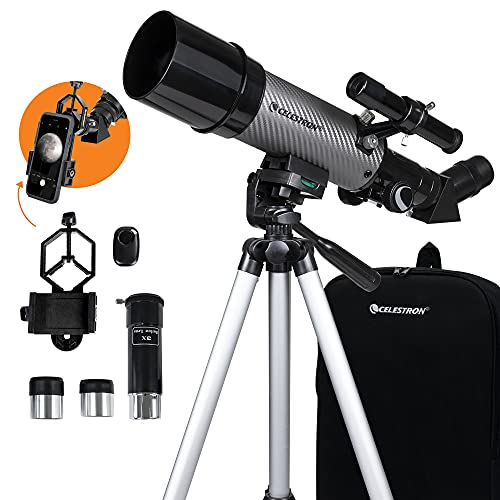
Are you interested in observing planetary details or deep-sky objects like nebulae and galaxies?
Do you prioritize portability and ease of use for backyard viewing or are you planning more extensive observations during camping trips or star parties?
Evaluating these aspects will help you determine which telescope aligns best with your astronomical pursuits.
Optical Performance
When it comes to telescopes, optical performance reigns supreme.
The Celestron NexStar 6SE boasts a 6-inch aperture with a focal length of 1500mm, providing crisp and clear views of celestial objects.
On the other hand, the Orion SkyQuest XT6 features a slightly larger 6-inch aperture with a focal length of 1200mm.
This variance in focal length affects the magnification capabilities of each telescope.
The longer focal length of the NexStar 6SE makes it ideal for planetary observations, bringing out intricate details on the surfaces of planets like Jupiter and Saturn.
In contrast, the shorter focal length of the SkyQuest XT6 lends itself well to wide-field views, making it a great choice for observing star clusters and nebulae.
Focal Length and Magnification
The focal length of a telescope plays a crucial role in determining its magnification capabilities.
In simple terms, a longer focal length results in higher magnification, allowing you to zoom in and see finer details of distant objects.
On the other hand, a shorter focal length provides a wider field of view, making it easier to observe larger celestial bodies or wide expanses of the night sky.
Planetary Observations with the NexStar 6SE
With its longer focal length of 1500mm, the Celestron NexStar 6SE is well-suited for observing planets in our solar system.
When viewing planets like Jupiter and Saturn through this telescope, astronomers can discern intricate details such as cloud bands, moons, and even the Great Red Spot on Jupiter.
The sharp and clear views provided by the NexStar 6SE make it a favorite among planetary observers looking to capture the beauty of our neighboring planets.
Wide-Field Views with the SkyQuest XT6
In contrast, the Orion SkyQuest XT6’s shorter focal length of 1200mm makes it an excellent choice for wide-field observations.
This telescope excels at capturing expansive views of star clusters, such as the Pleiades or the Orion Nebula, allowing astronomers to admire the beauty of these celestial objects in their entirety.

The wide-field capabilities of the SkyQuest XT6 also make it a great tool for exploring deep-sky objects like nebulae and galaxies, providing a breathtaking glimpse into the vastness of the universe.
Ease of Use and Portability
Astronomy should be an accessible hobby for enthusiasts of all levels, and the ease of use of a telescope plays a significant role in nurturing that passion.
The Celestron NexStar 6SE shines in this aspect with its computerized mount and GoTo technology.
This innovative feature allows users to align the telescope with ease, guiding them to desired celestial objects at the push of a button.
Furthermore, the NexStar 6SE’s compact design makes it a portable option for astronomers on the go, fitting comfortably in the trunk of a car for stargazing adventures away from light pollution.
Conversely, the Orion SkyQuest XT6 embraces a more traditional approach to stargazing.
Recommended to our readers: Click here
With its manual Dobsonian mount, users have the opportunity to manually navigate the night sky, offering a hands-on experience that connects them more intimately with the cosmos.
While the SkyQuest XT6 may lack the automated convenience of the NexStar 6SE, its simplicity and rugged build make it a reliable companion for backyard observations.
Comparing Ease of Use Features
When considering the ease of use between the Celestron NexStar 6SE and the Orion SkyQuest XT6, it’s essential to delve deeper into the specific features that contribute to user-friendly experiences.
The Celestron NexStar 6SE’s computerized mount and GoTo technology make it a standout choice for beginners and seasoned astronomers alike.
The automated alignment process eliminates the need for manual adjustment, saving time and frustration during setup.
This feature is especially beneficial for those new to astronomy, as it simplifies the process of locating and tracking celestial objects, enhancing the overall stargazing experience.
On the other hand, the manual Dobsonian mount of the Orion SkyQuest XT6 offers a more hands-on approach to exploring the night sky.
While it may require a bit more effort in terms of manually navigating and tracking objects, this traditional method can provide a deeper sense of connection to the cosmos.
Recommended to our readers: Click here
Users have the opportunity to hone their observational skills and develop a greater appreciation for the intricacies of celestial navigation through hands-on interaction.
Portability and Convenience
In addition to ease of use, portability is a significant factor to consider when choosing a telescope for stargazing adventures.
The compact design of the Celestron NexStar 6SE makes it an excellent option for astronomers who enjoy traveling to different stargazing sites.
Its lightweight construction and collapsible form factor ensure that it can be easily transported and set up, whether for a spontaneous stargazing session in a dark sky location or a camping trip under the stars.
Conversely, while the Orion SkyQuest XT6 may not offer the same level of portability as the NexStar 6SE, its sturdy build and simple setup make it a reliable companion for backyard observations.
The solid Dobsonian mount provides stability and ensures smooth movements when adjusting the telescope’s position, allowing users to focus on observing the night sky without worrying about vibrations or instability.
Personal Preference and User Experience
Ultimately, the choice between the Celestron NexStar 6SE and the Orion SkyQuest XT6 comes down to personal preference and desired user experience.

Each telescope offers distinct advantages based on its design and features, catering to different preferences and skill levels among astronomers.
Whether you prefer the convenience of automated alignment or the hands-on approach of manual navigation, both telescopes provide unique opportunities for exploring the wonders of the universe.
Build Quality and Durability
Investing in a telescope is a commitment to years of stargazing enjoyment, making build quality and durability paramount considerations.
The Celestron NexStar 6SE features a sturdy and durable construction, ensuring stability during observations and longevity in performance.
Additionally, the NexStar 6SE’s Schmidt-Cassegrain optical design minimizes maintenance requirements, allowing users to focus on exploring the night sky rather than tinkering with their equipment.
On the other hand, the Orion SkyQuest XT6 prides itself on its robust build quality, with a solid Dobsonian base that provides steady support for the telescope tube.
This rugged design is well-suited for outdoor use, withstanding the elements during stargazing sessions under the open sky.
While the SkyQuest XT6 may require occasional collimation to maintain optimal performance, its overall durability makes it a reliable choice for amateur astronomers seeking a long-lasting telescope.
Sturdy Construction and Materials
Recommended to our readers: Click here
Both the Celestron NexStar 6SE and Orion SkyQuest XT6 are built using high-quality materials that contribute to their sturdiness and durability.
The NexStar 6SE’s optical tube is constructed from aluminum, known for its lightweight yet durable properties, making it easy to transport while ensuring longevity.
In comparison, the SkyQuest XT6 features a solid Dobsonian base made of sturdy wood or composite materials, providing a stable foundation for the telescope’s optical tube.
Weather Resistance and Outdoor Performance
One important aspect of build quality and durability is a telescope’s ability to withstand varying weather conditions and outdoor environments.
The Celestron NexStar 6SE is designed to be weather-resistant, featuring sealed optics that protect the internal components from dust and moisture.
This makes it suitable for outdoor stargazing sessions in different climates without compromising performance.
Similarly, the Orion SkyQuest XT6’s robust construction enables it to endure outdoor use, whether in dry desert conditions or humid coastal areas.
The telescope’s Dobsonian base provides a solid platform that resists wind gusts and vibrations, ensuring steady observation even in challenging outdoor settings.
Amateur astronomers can rely on the SkyQuest XT6 to deliver consistent performance under diverse weather conditions.
Maintenance and Longevity
Recommended to our readers: Click here
In addition to durability, maintenance plays a crucial role in ensuring a telescope’s longevity and performance over time.
The Celestron NexStar 6SE’s Schmidt-Cassegrain optical design not only enhances image quality but also reduces the need for frequent maintenance.
This means users can spend more time stargazing and less time adjusting or cleaning their telescope, contributing to a hassle-free observing experience.
On the other hand, while the Orion SkyQuest XT6 may require occasional collimation to optimize its performance, the telescope’s overall durability and solid construction contribute to its long lifespan.
With proper care and maintenance, the SkyQuest XT6 can provide amateur astronomers with years of reliable service, making it a worthwhile investment for those seeking a telescope that can withstand regular use and outdoor adventures.
Accessories and Expandability
Enhancing the capabilities of a telescope through accessories and expandability opens up a world of possibilities for astronomy enthusiasts.
The Celestron NexStar 6SE comes equipped with a range of convenient accessories, including a red dot finder scope for precise alignment and a star diagonal for comfortable viewing angles.
Additionally, the NexStar 6SE is compatible with numerous Celestron accessories and can be easily upgraded to meet evolving stargazing needs.
Similarly, the Orion SkyQuest XT6 offers expandability through various accessories that cater to different observing preferences.
The SkyQuest XT6’s dual-speed Crayford focuser allows for precise focusing adjustments, enhancing the viewing experience for users.
Moreover, the SkyQuest XT6’s versatile design enables astronomers to customize their setup with additional eyepieces, filters, and other accessories, empowering them to explore the universe in greater detail.

Benefits of Accessories and Expandability
Accessories and expandability are essential components that enhance the overall experience and capabilities of a telescope.
By investing in compatible accessories and leveraging expandability features, astronomers can elevate their stargazing adventures to new heights.
These additional components not only make observing celestial objects more convenient but also provide opportunities for customization and experimentation.
Versatile Accessories for Celestron NexStar 6SE
The Celestron NexStar 6SE is renowned for its compatibility with a wide array of accessories that boost its performance and versatility.
For instance, users can enhance their viewing experience by incorporating accessories such as high-quality eyepieces, filters for celestial photography, and motorized mounts for automated tracking.
These accessories cater to different observing preferences and enable astronomers to adapt their telescopes for various viewing scenarios.
Recommended to our readers: Click here
Personalizing Your Orion SkyQuest XT6
The Orion SkyQuest XT6 offers a range of accessories that cater to individual preferences and requirements.
Astronomers can personalize their SkyQuest XT6 with an assortment of eyepieces and filters, allowing them to tailor their telescope setup to suit specific observation goals.
Whether exploring planetary details or capturing deep-sky objects, the SkyQuest XT6’s expandability empowers users to create a customized viewing experience that aligns with their interests.
Recommended to our readers: Click here
Future-Proofing Your Telescope Setup
Investing in expandable telescopes such as the Celestron NexStar 6SE and Orion SkyQuest XT6 ensures that astronomers can adapt to evolving stargazing needs.
By incorporating additional accessories and leveraging expandability features, users can future-proof their telescope setups and stay ahead of advancements in astronomy technology.
This flexibility allows enthusiasts to continue exploring the wonders of the universe without limitations, continually expanding their horizons in the world of astronomy.
Conclusion
In the realm of amateur astronomy, choosing the right telescope is a deeply personal decision shaped by individual preferences and aspirations.
The Celestron NexStar 6SE and the Orion SkyQuest XT6 stand out as prominent contenders, each offering unique features that cater to different needs.
Whether you prioritize optical performance, ease of use, build quality, or expandability, both telescopes present compelling options for exploring the wonders of the night sky.
Ultimately, the best telescope for you is the one that resonates with your stargazing journey, igniting a sense of wonder and curiosity that propels you to new celestial heights.
Factors to Consider when Choosing a Telescope
When selecting a telescope, amateur astronomers should consider various factors to ensure they find the best instrument to suit their needs.
Factors such as aperture size, optical quality, portability, and ease of setup play crucial roles in determining which telescope will provide the most fulfilling stargazing experience.
The Celestron NexStar 6SE and the Orion SkyQuest XT6 excel in different aspects, presenting stargazers with distinct advantages based on these factors.
Optical Performance and Resolution
The Celestron NexStar 6SE boasts a Schmidt-Cassegrain optical design that provides excellent image clarity and contrast.
With a 6-inch aperture, this telescope offers impressive resolution, making it ideal for viewing detailed lunar landscapes, planetary features, and deep-sky objects.
On the other hand, the Orion SkyQuest XT6 features a classic Dobsonian reflector design that excels in light-gathering ability, allowing for bright views of galaxies, nebulae, and star clusters.
Ease of Use and Technology Integration
For beginners and seasoned astronomers alike, the Celestron NexStar 6SE stands out for its user-friendly interface and advanced computerized tracking system.
Equipped with the NexStar+ hand controller and SkyAlign technology, this telescope simplifies the process of aligning to celestial objects, making it a popular choice for those seeking convenience and precision in their observations.
In contrast, the Orion SkyQuest XT6 offers a straightforward manual Dobsonian mount, providing a hands-on approach to navigating the night sky and learning the basics of telescope operation.
Build Quality and Durability
Both the Celestron NexStar 6SE and the Orion SkyQuest XT6 are crafted with sturdy materials and solid construction, ensuring durability and longevity in their performance.
While the NexStar 6SE features a compact and sleek design that appeals to those looking for a portable and versatile telescope, the SkyQuest XT6’s robust Dobsonian base offers stability and smooth movement for comfortable viewing sessions.
Expandability and Accessories
In the world of amateur astronomy, the ability to customize and expand your telescope setup is crucial for exploring different aspects of the cosmos.
Both the Celestron NexStar 6SE and the Orion SkyQuest XT6 offer compatibility with various accessories such as filters, eyepieces, and astrophotography gear, allowing enthusiasts to enhance their observing experience and pursue new challenges in astronomy.
Conclusion
In conclusion, the Celestron NexStar