Celestron NexStar 6SE vs Orion SkyQuest XT6: A Comprehensive Comparison

The world of astronomy holds a unique charm for enthusiasts and professionals alike, offering a gateway to the mysteries of the universe.
Central to this pursuit are telescopes, the tools that allow us to explore the cosmos from the comfort of our own backyard.
Among the multitude of options available in the market, two prominent contenders stand out: the Celestron NexStar 6SE and the Orion SkyQuest XT6.
Both these telescopes cater to different needs and preferences, making them popular choices among stargazers.
In this article, we will delve into a detailed comparison of these two telescopes, dissecting their features, capabilities, and overall performance to help you make an informed decision when embarking on your celestial journey.
The Charms of Astronomy:
The allure of astronomy lies in its ability to spark curiosity and wonder about the vast expanse of the universe.
Whether you’re a seasoned amateur astronomer or someone newly captivated by the stars, the field offers endless possibilities for exploration and discovery.
Telescopes act as our windows to the cosmos, allowing us to witness celestial events, study distant planets, and marvel at the beauty of galaxies millions of light-years away.
Unveiling the Celestron NexStar 6SE:
The Celestron NexStar 6SE is a high-tech, computerized telescope that seamlessly blends advanced features with user-friendly functionality.
With its Schmidt-Cassegrain optical design and a 6-inch aperture, this telescope offers exceptional image clarity and detail, making it ideal for both planetary and deep-sky observation.
Equipped with Celestron’s innovative SkyAlign technology, the NexStar 6SE can automatically align itself with any three bright celestial objects, enabling quick and precise setup for viewing sessions.
Its compact design and portability further enhance its appeal, allowing users to easily transport the telescope to different observing sites without compromising on performance.
Recommended to our readers: Click here
Exploring the Orion SkyQuest XT6:
In contrast, the Orion SkyQuest XT6 is a traditional, manual telescope renowned for its robust construction and reliable optics.
Featuring a Dobsonian mount and a 6-inch parabolic primary mirror, the XT6 delivers impressive views of the moon, planets, and deep-sky objects.
While it lacks the automated alignment capabilities of the NexStar 6SE, the XT6 offers a hands-on, immersive observing experience that appeals to enthusiasts seeking a more tactile connection with the night sky.
Its simple yet effective design makes it a popular choice for beginners and seasoned observers alike, emphasizing manual slewing and navigation as essential skills in the pursuit of astronomy.
In-Depth Comparison:
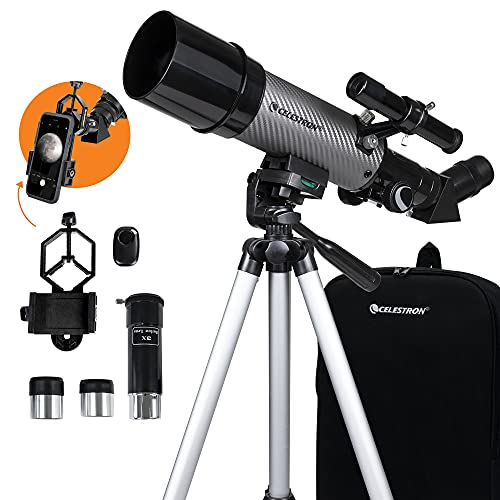
When comparing the Celestron NexStar 6SE and the Orion SkyQuest XT6, several key factors come into play.
From their optical specifications and mount designs to their software integration and overall performance, each telescope brings its own strengths to the table.
By examining aspects such as aperture size, focal length, ease of use, and portability, users can determine which model aligns best with their observing goals and preferences.
Ultimately, the choice between the NexStar 6SE and the SkyQuest XT6 boils down to individual preferences, priorities, and the desired observing experience.
Unveiling the Celestron NexStar 6SE
The Celestron NexStar 6SE is a compact and portable telescope known for its innovative technology and user-friendly design.
Equipped with a six-inch aperture and a focal length of 1500mm, this Schmidt-Cassegrain telescope offers impressive views of celestial objects, making it ideal for both beginner and intermediate astronomers.
One of the standout features of the NexStar 6SE is its computerized GoTo mount, which enables precise tracking and automatic alignment with over 40,000 celestial objects.
This feature, coupled with the SkyAlign technology, simplifies the process of locating and observing targets in the night sky, enhancing the overall stargazing experience.
Advanced Technology for Stellar Performance
The Celestron NexStar 6SE sets itself apart with its advanced technology designed to enhance the stargazing experience.
In addition to its computerized GoTo mount and SkyAlign technology, this telescope boasts NexStar+ hand control software that allows users to select and slew objects with ease.
The database of celestial objects it can access includes not only stars and planets but also deep-sky objects such as galaxies, nebulae, and star clusters.
This extensive database makes the NexStar 6SE a versatile tool for exploring a wide range of celestial wonders.
Precision Tracking and Alignment
The precision tracking capabilities of the NexStar 6SE ensure that once an object is located, it stays within the field of view, allowing observers to enjoy prolonged views without the need for constant adjustments.
The telescope’s computerized mount can automatically track a chosen object as it moves across the night sky, a particularly useful feature when observing planets and deep-sky objects that appear to drift due to the Earth’s rotation.
Meanwhile, the SkyAlign technology simplifies the alignment process by using any three bright stars for accurate orientation, saving time and effort in setting up the telescope for observation sessions.
User-Friendly Design for Seamless Observations
Recommended to our readers: Click here
While the Celestron NexStar 6SE incorporates cutting-edge technology, it remains user-friendly, even for those new to astronomy.
The intuitive nature of the telescope’s controls and software makes it easy to navigate the night sky and locate desired objects, enabling beginners to start observing celestial wonders without a steep learning curve.
Its compact size and manageable weight also contribute to its portability, allowing astronomers to take the NexStar 6SE to different observing locations easily, whether for backyard stargazing or more remote stargazing expeditions.
Enhancing the Astronomical Journey
With its combination of innovative features and user-friendly design, the Celestron NexStar 6SE revolutionizes the way both novice and seasoned astronomers explore the cosmos.
Its advanced technology simplifies the process of locating and tracking celestial objects, while its portability and ease of use make it a reliable companion for astronomical adventures of all kinds.
Whether observing the rings of Saturn, the craters of the Moon, or distant galaxies, the NexStar 6SE is a telescope that enables enthusiasts to delve deeper into the mysteries of the universe with confidence and precision.
Unveiling the Orion SkyQuest XT6
On the other hand, the Orion SkyQuest XT6 is a traditional Dobsonian telescope renowned for its simplicity and robust performance.
With a six-inch aperture and a focal length of 1200mm, the XT6 excels in providing bright and clear views of astronomical objects, making it a favorite among observers who prioritize optical quality.
Unlike the NexStar 6SE, the XT6 does not come with computerized tracking or alignment systems, relying instead on manual adjustments for pointing and tracking celestial targets.
While this may require a bit more effort from the user, it also fosters a deeper connection to the night sky, reminding us of the age-old tradition of manual stargazing.
Optics Excellence
The six-inch aperture of the Orion SkyQuest XT6 is a standout feature that allows for enhanced light-gathering capability compared to smaller telescopes.
This larger aperture enables the XT6 to deliver sharper and more detailed views of celestial objects such as planets, star clusters, and nebulae.
The focal length of 1200mm further contributes to the telescope’s ability to provide high-quality images with excellent resolution.
Traditional Dobsonian Design
The Dobsonian design of the Orion SkyQuest XT6 emphasizes simplicity and ease of use.
Its altazimuth mount and wooden base provide stability while allowing for smooth manual adjustments in both azimuth (side-to-side) and altitude (up and down) motions.
This design principle harks back to the roots of amateur astronomy, offering a hands-on and immersive stargazing experience that connects users with the night sky in a more organic way.
Enjoying the Manual Experience
While lacking the automated features of more advanced telescopes, the manual operation of the XT6 can be seen as a virtue rather than a limitation.
By mastering the art of manual pointing and tracking, users develop a deeper understanding of celestial coordinates and the movement of objects in the night sky.

This hands-on approach encourages stargazers to hone their observational skills and appreciate the intricacies of navigating the cosmos without relying on electronic aids.
User Engagement and Learning
Using the Orion SkyQuest XT6 fosters a sense of engagement and exploration, as observers actively seek out and manually adjust their view of celestial targets.
This interactive process not only improves observational abilities but also cultivates a sense of discovery and wonder.
Whether scanning the moon’s surface for craters, exploring the rings of Saturn, or observing distant galaxies, the XT6 offers a compelling platform for users to delve into the wonders of the universe through direct interaction with their telescope.
A Closer Look at Performance
When it comes to optical performance, both the NexStar 6SE and the SkyQuest XT6 deliver excellent views of the cosmos, each showcasing its unique strengths.
The NexStar 6SE, with its Schmidt-Cassegrain optical design, offers sharp and detailed images of planets, galaxies, and nebulae, making it a versatile instrument for observing a wide range of celestial bodies.
The GoTo mount enhances the telescope’s tracking capabilities, allowing users to easily navigate the night sky and explore multiple targets in a single observing session.
On the other hand, the Orion SkyQuest XT6, with its Dobsonian reflector design, excels in providing bright and contrast-rich views of celestial objects.
The simplicity of the XT6 makes it well-suited for deep-sky observing, where faint galaxies and nebulae come to life against the backdrop of space.
While manual tracking can be a bit challenging for beginners, it offers a hands-on approach to astronomy that fosters a sense of discovery and exploration.
Comparing Optical Designs:
The Schmidt-Cassegrain optical design of the NexStar 6SE combines a spherical primary mirror with a corrector lens to deliver crisp and high-resolution images.
This design minimizes aberrations and ensures detailed views of planets like Jupiter’s cloud bands or Saturn’s rings.
Additionally, the long focal length of the Schmidt-Cassegrain design makes it ideal for planetary and lunar observations due to its high magnification capabilities.
In contrast, the Dobsonian reflector design of the Orion SkyQuest XT6 features a parabolic primary mirror that gathers a significant amount of light.
This design results in bright and clear views of deep-sky objects such as star clusters and emission nebulae.
The simplicity of the reflector design also allows for a wider field of view, making it easier to locate objects like the Orion Nebula or the Andromeda Galaxy in the night sky.
Utilizing GoTo Mount Technology:
Recommended to our readers: Click here
The NexStar 6SE’s GoTo mount technology enhances the overall observing experience by automating the process of locating celestial targets.
With a database of thousands of pre-programmed objects, users can simply select their desired target from the hand controller, and the telescope will accurately point to it.
This feature is especially beneficial for users who want to efficiently observe multiple objects in a single session without spending time manually slewing the telescope.
Embracing Manual Tracking:
While the Orion SkyQuest XT6 relies on manual tracking for following celestial objects across the sky, this hands-on approach offers unique benefits.
By manually adjusting the telescope’s position to track a moving planet or star cluster, users can develop a deeper understanding of celestial mechanics and observational techniques.
Recommended to our readers: Click here
This interactive experience fosters a sense of connection to the night sky and encourages a more immersive exploration of the cosmos.
Convenience and Portability
In terms of convenience and portability, the Celestron NexStar 6SE holds a slight advantage due to its compact size and automated features.
The telescope’s lightweight design makes it easy to transport to different observing sites, allowing users to set up and start observing quickly.
The GoTo mount eliminates the need for manual star alignment, saving time and effort during observing sessions.
This makes the NexStar 6SE an attractive option for astronomers who value convenience and ease of use.
On the other hand, the Orion SkyQuest XT6, while bulkier and less automated, offers a different kind of observing experience characterized by simplicity and hands-on control.
The telescope’s solid Dobsonian mount provides stability and smooth movement, ensuring steady views of celestial objects.
While setting up the XT6 may require more effort compared to the NexStar 6SE, its manual operation fosters a deeper engagement with the night sky, inviting users to hone their observational skills and learn the art of star hopping.
Comparison of Automated Features
The Celestron NexStar 6SE’s automated features truly set it apart when it comes to convenience.
With its GoTo mount, users can simply input the desired celestial object into the hand controller, and the telescope will automatically slew to the target, saving valuable time that would otherwise be spent manually aligning the telescope.
This feature not only streamlines the observation process but also opens up the possibility for users to easily locate and track multiple objects in a single viewing session.
Additionally, the NexStar 6SE’s database of thousands of celestial objects allows users to explore a wide range of targets with just a few taps on the controller.
Hands-On Experience with Manual Operation
In contrast, the Orion SkyQuest XT6 offers a more hands-on and immersive experience for astronomers.
While setting up the Dobsonian mount may require a bit more time and effort, the process of manually adjusting the telescope and navigating the night sky fosters a deeper connection and understanding of celestial objects.
Users have the opportunity to hone their observational skills by learning to star hop from one object to another, enhancing their overall appreciation of the cosmos.
The tactile nature of operating the XT6 also provides a sense of satisfaction as users maneuver the telescope to capture stunning views of planets, galaxies, and nebulae.
Portability and Field Performance
When considering portability, the compact size and lightweight design of the NexStar 6SE make it an ideal choice for astronomers who frequently travel to different observing locations.
Whether venturing to a dark sky site or setting up in the backyard, the ease of transporting and setting up the NexStar 6SE ensures that users can start observing with minimal hassle.
On the other hand, while the Orion SkyQuest XT6 may be bulkier, its sturdy construction and stable Dobsonian mount offer excellent field performance, providing steady views of celestial objects even under light-polluted skies.
This reliability makes the XT6 a dependable option for astronomers looking to observe from a fixed location with consistent viewing conditions.
Making the Choice
In conclusion, the decision between the Celestron NexStar 6SE and the Orion SkyQuest XT6 ultimately boils down to personal preferences and observing priorities.
If you seek a technologically advanced telescope with automated features and precise tracking, the NexStar 6SE offers a compelling option.
Its user-friendly design and impressive optics make it a versatile tool for exploring the wonders of the universe with ease.
On the other hand, if you value simplicity, optical performance, and a hands-on observing experience, the Orion SkyQuest XT6 may be the telescope for you.
Its traditional Dobsonian design, coupled with excellent optics and manual operation, caters to observers who enjoy the process of manually locating and tracking celestial targets, immersing themselves in the timeless practice of stargazing.
Whichever telescope you choose, both the Celestron NexStar 6SE and the Orion SkyQuest XT6 promise to open up a world of possibilities in the realm of astronomy, allowing you to gaze into the depths of space and unravel the mysteries of the cosmos one star at a time.
So, pick your telescope, step outside into the night, and let the wonders of the universe unfold before your eyes.
Happy stargazing!
Comparing Technology and Design
When considering the technical aspects and design of the Celestron NexStar 6SE versus the Orion SkyQuest XT6, it’s essential to delve deeper into what sets these telescopes apart.
The NexStar 6SE’s computerized system not only aids in locating celestial objects but also enables precise tracking using GPS alignment and GoTo technology.
This can be particularly advantageous for users who are new to astronomy or prefer a more automated observing experience.
On the flip side, the Orion SkyQuest XT6’s traditional Dobsonian mount is revered for its simplicity and sturdiness.

Its manual operation may appeal to those who enjoy a hands-on approach to stargazing, as manually slewing the telescope to find objects can offer a more engaging and intimate connection with the night sky.

Additionally, the Dobsonian design is known for its stability, making it less susceptible to vibrations or disturbances during observation sessions.
Optics and Viewing Experience
Looking through the eyepiece of the Celestron NexStar 6SE, users will appreciate the telescope’s Schmidt-Cassegrain optical system, which combines the benefits of both refracting and reflecting telescopes.
This results in sharp, clear views of celestial objects with minimal chromatic aberration, allowing observers to enjoy detailed views of planets, deep-sky objects, and more.
Merging optical excellence with a traditional Newtonian reflector, the Orion SkyQuest XT6 offers impressive light-gathering capabilities that can provide stunning views of celestial wonders.
Its larger aperture compared to the NexStar 6SE allows for the viewing of fainter objects and finer details in planetary features, making it a great choice for astronomers looking to delve into deep-sky observing.
Recommended to our readers: Click here
Personal Observing Preferences
Recommended to our readers: Click here
It’s crucial for enthusiasts to identify their preferred observing style when choosing between these telescopes.
If convenience and technological innovation are top priorities, the NexStar 6SE’s automated features may offer a seamless stargazing experience.
On the other hand, those who value the tactile nature of manual operation and a more immersive observing process may find the hands-on approach of the Orion SkyQuest XT6 to be more fulfilling.
Ultimately, the decision between the Celestron NexStar 6SE and the Orion SkyQuest XT6 is a matter of aligning your observing preferences with the telescope’s capabilities.
Both models present unique advantages that cater to different needs and tastes within the astronomy community, ensuring that there is a perfect match for every stargazer