Battle of the Telescopes: Celestron NexStar 130SLT vs Orion StarSeeker IV
The realm of astronomy beckons to stargazers, inviting them to explore the mysteries of the universe.
And what better way to embark on this celestial voyage than with a reliable telescope as your trusted companion?
In the world of amateur astronomy, two prominent contenders stand out: the Celestron NexStar 130SLT and the Orion StarSeeker IV.
These two telescopes have garnered a loyal following, each boasting its own unique features and capabilities.
Let’s delve into a comparative analysis of these stargazing marvels to help you choose the perfect instrument for your astronomical escapades.
Introduction to the Celestron NexStar 130SLT and Orion StarSeeker IV

The Celestron NexStar 130SLT is a beloved choice among amateur astronomers for its convenience and advanced technology.

Equipped with a fully computerized mount and database of celestial objects, the NexStar 130SLT simplifies the stargazing experience.
Its 130mm aperture allows for impressive views of the moon, planets, and deep-sky objects.
On the other hand, the Orion StarSeeker IV is renowned for its user-friendly design and precision tracking capabilities.
With a sturdy GoTo mount and intuitive hand controller, the StarSeeker IV appeals to beginners and experienced observers alike.
Features and Capabilities
The Celestron NexStar 130SLT excels in portability, making it easy to transport to various observing locations.
Its SkyAlign technology enables precise alignment with celestial targets, offering a seamless stargazing experience.
Additionally, the NexStar 130SLT comes with a StarPointer red dot finder, enhancing accuracy when locating objects in the night sky.
In comparison, the Orion StarSeeker IV stands out for its dual optical encoders, providing smooth and accurate tracking of celestial objects.
The StarSeeker IV’s extensive database includes thousands of astronomical targets, making it a versatile instrument for exploring different regions of the sky.
Performance and Observing Experience
When it comes to performance, the Celestron NexStar 130SLT delivers crisp, detailed views of the cosmos, making it ideal for planetary and lunar observations.
Its smooth tracking capabilities ensure that users can enjoy extended viewing sessions without constant adjustments.
On the other hand, the Orion StarSeeker IV impresses with its ability to locate and track faint deep-sky objects with precision.
The StarSeeker IV’s GoTo functionality simplifies the process of navigating the night sky, allowing stargazers to focus on observing rather than manual alignment.
Verdict and Recommendations
In conclusion, both the Celestron NexStar 130SLT and the Orion StarSeeker IV offer exceptional features and performance for amateur astronomers.
The choice between these two telescopes ultimately depends on individual preferences and observing priorities.
If portability and ease of use are top priorities, the NexStar 130SLT is an excellent option.
However, for those seeking advanced tracking capabilities and a comprehensive celestial database, the Orion StarSeeker IV is a formidable choice.
Whichever telescope you choose, both the Nex
Unveiling the Celestron NexStar 130SLT
Celestron, a renowned name in the world of telescopes, presents the NexStar 130SLT as a versatile and user-friendly option for astronomy enthusiasts.
This computerized telescope combines cutting-edge technology with ease of use, making it ideal for both beginners and seasoned stargazers alike.
Key Features of the Celestron NexStar 130SLT
One of the standout features of the Celestron NexStar 130SLT is its Schmidt-Cassegrain optical design, which allows for high-quality images with excellent light-gathering capabilities.
This telescope has a 5.1-inch aperture and a focal length of 650mm, providing sharp and detailed views of celestial objects.
The telescope is equipped with a sturdy steel tripod that ensures stability during observations, even on uneven surfaces.
Additionally, the NexStar 130SLT comes with a fully automated GoTo mount, which allows users to easily locate and track celestial objects at the touch of a button.
This feature is especially helpful for beginners who may not be familiar with the night sky.
Versatility and Ease of Use
The Celestron NexStar 130SLT is a versatile telescope that can be used for a wide range of astronomical observations.
Whether you’re interested in viewing planets, stars, nebulae, or galaxies, this telescope provides crisp and clear views of various celestial objects.
Its computerized tracking system makes it easy to locate objects in the night sky, making stargazing sessions more enjoyable and productive.
The telescope also comes with a comprehensive database of over 4,000 celestial objects, making it easy to explore and learn about different astronomical phenomena.
Ideal for Astrophotography
For astronomy enthusiasts interested in astrophotography, the Celestron NexStar 130SLT is a great choice.
Its sturdy mount and precise tracking system allow for long-exposure photography, capturing detailed images of distant galaxies and nebulae.
With the optional camera adapter, users can easily attach a DSLR camera to the telescope and capture stunning images of the night sky.
The NexStar 130SLT’s ability to track celestial objects accurately makes it a valuable tool for capturing sharp and well-defined astrophotography images.
Optics and Performance:
Recommended to our readers: Click here
The NexStar 130SLT features a 130mm aperture and 650mm focal length, providing crisp and detailed views of celestial objects.
Equipped with high-quality optics, this telescope offers impressive image clarity, allowing users to observe distant galaxies, nebulae, and planets with remarkable precision.
High-Quality Optics for Enhanced Viewing Experience
The NexStar 130SLT is designed with precision-engineered optics that deliver unparalleled clarity and sharpness in observing celestial objects.
Its multi-coated glass lenses and mirrors minimize light reflections and distortions, ensuring that users get the most detailed and accurate views possible.
Recommended to our readers: Click here
Whether you’re studying the intricate details of the rings of Saturn or the colorful bands of Jupiter, this telescope’s optics guarantee a mesmerizing viewing experience.
Capturing the Beauty of Distant Galaxies and Nebulae
With its 130mm aperture and 650mm focal length, the NexStar 130SLT is a powerful tool for exploring the depths of space.
Imagine gazing at the ethereal beauty of the Orion Nebula, where glowing gas clouds and newborn stars come alive in vibrant hues.
Or point your telescope towards the Andromeda Galaxy, the closest spiral galaxy to our Milky Way, and marvel at its spiral arms stretching across millions of light-years.
The high-performance optics of the NexStar 130SLT make these awe-inspiring sights come to life with stunning clarity and detail.
Observing Planets with Remarkable Precision
One of the standout features of the NexStar 130SLT is its ability to provide crystal-clear views of planets in our solar system.
From the red hues of Mars to the elegant rings of Saturn, each planet reveals its unique characteristics under the lens of this telescope.
You can observe Jupiter’s swirling cloud bands and its four largest moons, known as the Galilean moons, or get a close-up view of Venus’s phases as it orbits the Sun.
The precision optics of the NexStar 130SLT ensure that every planetary detail is sharp and well-defined, allowing you to explore the wonders of our celestial neighbors with unparalleled precision.
Mount and Tracking:
One of the standout features of the NexStar 130SLT is its altazimuth mount with a single fork arm design.
This sturdy and reliable mount facilitates smooth tracking of celestial objects, enabling users to easily follow targets as they move across the night sky.
Additionally, the telescope’s automated tracking system ensures precise alignment and accurate tracking, enhancing the overall observing experience.
Smooth and Precise Tracking Capability
The altazimuth mount with a single fork arm design is a key factor in the NexStar 130SLT’s exceptional tracking capabilities.
This type of mount allows for movement in two axes – altitude and azimuth – providing versatility in how users can adjust the telescope’s position.
The fork arm design adds stability and support, crucial for maintaining accurate tracking, especially when observing objects at high magnifications.
Moreover, the smooth tracking enabled by this mount is essential for keeping celestial objects centered in the telescope’s field of view.
Imagine observing a distant galaxy or a nebula; with precise tracking, users can enjoy a steady view without objects drifting out of sight due to Earth’s rotation.
Automation for Ease of Use
In addition to its manual adjustment options, the NexStar 130SLT comes equipped with an automated tracking system.
This system uses built-in algorithms to calculate and compensate for the Earth’s rotation, ensuring that selected objects stay within view for extended periods.
The automated tracking feature not only simplifies the observing process but also allows users to focus on the celestial wonders they are exploring without constantly readjusting the telescope’s position.
Recommended to our readers: Click here
By incorporating automation into the tracking functionality, the NexStar 130SLT enhances user experience by reducing the learning curve typically associated with manual tracking systems.
Beginners and seasoned astronomers alike can benefit from the convenience and accuracy provided by the telescope’s automated tracking capabilities.
Enhanced Observing Efficiency
The precise alignment and tracking accuracy of the NexStar 130SLT’s mount contribute to a more efficient and enjoyable observing session.
Users can easily locate and track celestial objects, spending less time on adjustments and more time immersing themselves in the wonders of the night sky.
Furthermore, the combination of a sturdy mount and automated tracking system minimizes the potential for disruptions during observations.
Whether observing planets, star clusters, or deep-sky objects, the NexStar 130SLT’s reliable tracking capabilities ensure a seamless viewing experience, allowing users to explore the cosmos with confidence and precision.
The Allure of the Orion StarSeeker IV
Orion, another trusted name in the astronomy community, presents the StarSeeker IV as a powerful and intuitive telescope that promises exceptional performance and ease of use.
Designed for astronomy enthusiasts who crave advanced features and superior optics, the StarSeeker IV aims to elevate the stargazing experience to new heights.
Key Features of the Orion StarSeeker IV
Recommended to our readers: Click here
One of the standout features of the Orion StarSeeker IV is its GoTo computerized tracking system, which allows users to simply select an object from the hand controller’s database and the telescope will automatically slew to that target.
This feature is especially helpful for beginners or for those who want to streamline their stargazing sessions without having to manually locate celestial objects.
Another notable feature is the robust optical system of the StarSeeker IV.
With its high-quality optics and precision tracking capabilities, users can enjoy clear and detailed views of various celestial objects, whether they are observing planets, stars, or deep-sky objects.
In addition, the StarSeeker IV comes equipped with a sturdy mount and tripod that provide stability and support for the telescope.
This is crucial for minimizing vibrations and ensuring accurate tracking during prolonged viewing sessions.
Superior Performance and Ease of Use
The Orion StarSeeker IV is designed to deliver exceptional performance while still being user-friendly.
Thanks to its intuitive interface and comprehensive instruction manual, users can easily set up the telescope and start exploring the night sky without facing a steep learning curve.
Furthermore, the GoTo functionality of the StarSeeker IV streamlines the process of locating and tracking celestial objects, making it a convenient option for both beginners and experienced astronomers alike.
By eliminating the need for manual adjustments, users can spend more time observing and less time fiddling with controls.
Elevating the Stargazing Experience
By combining advanced features with superior optics, the Orion StarSeeker IV aims to elevate the stargazing experience for astronomy enthusiasts.
Whether users are observing distant galaxies, planetary nebulae, or the moons of Jupiter, this telescope provides a powerful tool for exploring the wonders of the night sky with clarity and precision.
With the Orion StarSeeker IV, astronomy enthusiasts can embark on a journey of discovery and awe, immersing themselves in the beauty and complexity of the universe from the comfort of their own backyard.
Optics and Performance:
The Orion StarSeeker IV boasts a 150mm aperture and 750mm focal length, delivering breathtaking views of celestial wonders.
With its high-quality optics and superior light-gathering capabilities, this telescope offers impressive image quality, allowing users to explore the depths of the cosmos with unparalleled clarity.
Optics Features:
The Orion StarSeeker IV telescope features a high-quality 150mm aperture, providing a generous diameter that allows for excellent light collection.
This aperture size enables the telescope to gather ample light from distant celestial objects, resulting in brighter and clearer images.
Additionally, the 750mm focal length of this telescope enhances the magnification capabilities, making it ideal for observing detailed features on the surfaces of planets, moons, and deep-sky objects.
Recommended to our readers: Click here
Enhanced Image Resolution:
The combination of the large aperture and focal length in the Orion StarSeeker IV results in enhanced image resolution.
Users can expect sharper views of celestial objects, revealing intricate details such as craters on the Moon, cloud bands on Jupiter, and distant galaxies with greater clarity.
This heightened image resolution transforms stargazing sessions into immersive experiences, allowing observers to appreciate the beauty and complexity of the universe.
Light-Gathering Capabilities:
One of the standout features of the Orion StarSeeker IV is its superior light-gathering capabilities.
By utilizing its 150mm aperture, this telescope can capture more light compared to smaller models, enabling users to observe fainter objects and deeper sky phenomena.
Whether you’re exploring nebulae, star clusters, or dim galaxies, the enhanced light-gathering power of the StarSeeker IV ensures that faint celestial wonders reveal themselves in all their glory.
Performance in Different Observing Scenarios:
The Orion StarSeeker IV excels in various observing scenarios, making it a versatile choice for astronomers of all levels.
Recommended to our readers: Click here
Whether you’re conducting planetary observations, lunar studies, or deep-sky explorations, this telescope delivers consistent performance and exceptional image quality across different celestial targets.
Its ability to adapt seamlessly to different viewing tasks makes it an invaluable tool for astronomers who seek a reliable and user-friendly instrument for their stargazing pursuits.
GoTo Technology and Database:
One of the key highlights of the StarSeeker IV is its advanced GoTo technology, which enables automated slewing to over 42,000 celestial objects at the touch of a button.
This feature allows users to effortlessly navigate the night sky and locate their desired targets with precision.
Moreover, the telescope’s extensive object database provides valuable information about various celestial bodies, enhancing the educational aspect of astronomy.
Enhancing User Experience with GoTo Technology
The GoTo technology integrated into the StarSeeker IV is a game-changer for both novice and experienced astronomers alike.
With just a few simple clicks on the telescope’s user-friendly interface, stargazers can effortlessly explore the vast expanse of the night sky like never before.
This automation feature not only saves time and effort but also eliminates the guesswork involved in manually slewing the telescope to locate specific celestial objects.
Unleashing the Power of Automation
Imagine wanting to observe a particular galaxy or star cluster and being able to simply input the name or coordinates into the telescope’s GoTo system.
The StarSeeker IV’s advanced automation capabilities then take over, precisely calculating the necessary adjustments and slewing the telescope to the exact position in the night sky where the desired object is located.
This hands-free approach to stargazing allows users to focus on enjoying the wonders of the universe without getting bogged down in the technicalities of telescope operation.
Accessing a Universe of Knowledge
In addition to its cutting-edge GoTo technology, the StarSeeker IV boasts an extensive object database that serves as a treasure trove of information for enthusiasts eager to learn more about the celestial bodies they observe.
From detailed descriptions of planets and galaxies to historical facts and astronomical trivia, the telescope’s database enriches the stargazing experience by offering a deeper understanding of the wonders of the cosmos.
Educational Opportunities Abound
For educators, the StarSeeker IV presents a valuable tool for engaging students in the wonders of astronomy.
By leveraging the telescope’s GoTo technology and database, teachers can create immersive learning experiences that combine theoretical knowledge with practical observation.
Whether exploring the phases of the moon, tracking the orbits of the planets, or studying distant nebulae, the StarSeeker IV empowers educators to bring the marvels of space closer to their students in an interactive and stimulating manner.
The Showdown: NexStar 130SLT vs StarSeeker IV
As we pit the Celestron NexStar 130SLT against the Orion StarSeeker IV in a head-to-head battle, it becomes evident that both telescopes offer exceptional performance and innovative features tailored to the needs of astronomy enthusiasts.
While the NexStar 130SLT excels in user-friendly design and reliable tracking capabilities, the StarSeeker IV impresses with its advanced GoTo technology and extensive object database.
Comparison of Optical Performance:
In terms of optical performance, the NexStar 130SLT boasts a 5-inch aperture with excellent light-gathering capabilities, allowing for crisp and clear views of celestial objects.
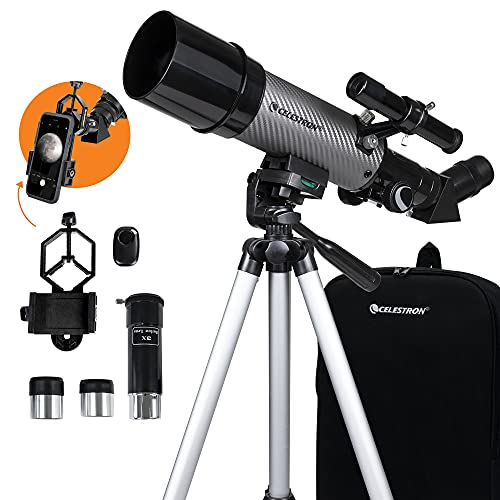
Its high-quality optics deliver sharp images, making it ideal for both planetary and deep-sky observations.
On the other hand, the StarSeeker IV comes equipped with a slightly larger 6-inch aperture, providing enhanced brightness and detail in images.
This larger aperture can be advantageous for observing fainter objects in the night sky and capturing more intricate features on planets and stars.

Tracking and Alignment Systems:
The NexStar 130SLT features a reliable altazimuth mount with automated tracking functionality, ensuring that celestial objects remain in view without the need for constant manual adjustments.
Its SkyAlign technology simplifies the alignment process, making it easy for users to set up the telescope and start observing within minutes.
In contrast, the StarSeeker IV utilizes GoTo technology, which offers precise pointing and tracking of objects through its database of thousands of celestial targets.
This advanced system enables users to locate and track objects with accuracy, enhancing the overall observing experience.
Software and Database Comparison:
Both telescopes come with user-friendly software interfaces that provide access to comprehensive object databases.
The NexStar 130SLT includes the NexStar+ hand control with a database of over 40,000 celestial objects, allowing users to easily navigate and locate their desired targets.
Conversely, the StarSeeker IV features the Starry Night software, which offers interactive sky tours, informative descriptions of celestial objects, and detailed star charts.
This software enhances the educational value of the telescope, making it an excellent tool for beginners and experienced astronomers alike.
Making Your Choice
When it comes to selecting the perfect telescope for your stargazing adventures, consider your individual preferences and requirements.
If you prioritize ease of use and reliable tracking, the Celestron NexStar 130SLT may be the ideal choice for you.
On the other hand, if advanced features and automated navigation are what you seek, the Orion StarSeeker IV could be the perfect fit for your astronomical pursuits.
In the end, whether you opt for the Celestron NexStar 130SLT or the Orion StarSeeker IV, both telescopes are sure to ignite your passion for astronomy and open up a world of celestial wonders waiting to be explored.
So, prepare to gaze into the vast expanse of the universe, guided by the stars and the trusty companion by your side – your telescope.
Consider Your Observing Goals
Before making a decision, think about what you want to achieve with your telescope.
Are you interested in viewing planets, deep-sky objects, or both?
Understanding your observing goals will help you determine which features are most important to you.
For example, if you are primarily interested in planetary observation, you may prioritize a telescope with high magnification capabilities and sharp image quality.
Quality Optics Matter
Both the Celestron NexStar 130SLT and the Orion StarSeeker IV are equipped with quality optics, but it’s worth diving deeper into the specifics.
The Celestron NexStar 130SLT features a 130mm aperture and a focal length of 650mm, providing bright and clear views of celestial objects.
On the other hand, the Orion StarSeeker IV boasts a 102mm aperture and a focal length of 1300mm, offering enhanced detail and resolution for deep-sky observation.

Ease of Alignment and Tracking
Consider the alignment and tracking systems of each telescope to ensure a smooth stargazing experience.
The Celestron NexStar 130SLT utilizes a SkyAlign technology, allowing for quick and accurate alignment with minimal effort.
In comparison, the Orion StarSeeker IV comes with a dual-axis motor drive system for precise tracking of celestial targets, ideal for capturing detailed images or observing for extended periods.
Additional Accessories and Compatibility
Think about any additional accessories or compatibility options that may enhance your observing experience.
The Celestron NexStar 130SLT includes a sturdy altazimuth mount, a red-dot finder scope, and compatibility with the SkyPortal app for interactive stargazing sessions.
On the other hand, the Orion StarSeeker IV offers a GoTo hand controller, a star diagonal, and compatibility with the Starry Night software for advanced sky exploration and telescope control.
Price and Value Considerations
While both telescopes offer unique features and capabilities, it’s essential to consider your budget and the overall value each option provides.
The Celestron NexStar 130SLT is a budget-friendly choice that delivers impressive performance for beginners and intermediate astronomers.
In contrast, the Orion StarSeeker IV is a higher-end model with advanced functionalities suited for experienced stargazers looking for professional-grade equipment.
By carefully weighing these factors and exploring the finer details of each telescope, you can make an informed decision that aligns with your specific preferences and astronomical aspirations, ensuring a rewarding stargazing journey