Cashew Butter vs Sunflower Seed Butter: The Battle of Nutritious Spreads
Whether slathered on toast, blended into smoothies, or used as a dip for fruits and veggies, nut and seed butters have become pantry staples for health-conscious individuals looking for tasty and nutritious options.
Among the myriad choices available, two popular contenders stand out: Cashew Butter and Sunflower Seed Butter.
These creamy spreads offer a wealth of nutrients and flavors that cater to different preferences and dietary needs.
Let’s delve into the world of nut and seed butters, comparing and contrasting the qualities of Cashew Butter and Sunflower Seed Butter to help you decide which one suits your taste buds and nutritional requirements best.
Introduction: The Rise of Nut and Seed Butters
In recent years, the health food market has witnessed a surge in the popularity of nut and seed butters as versatile and delicious sources of essential nutrients.
Cashew Butter and Sunflower Seed Butter, in particular, have emerged as frontrunners thanks to their unique flavor profiles and nutritional benefits.
As consumers increasingly seek alternatives to traditional spreads like peanut butter, the demand for these alternative butter options has skyrocketed.
Let’s explore what sets Cashew Butter and Sunflower Seed Butter apart in terms of taste, texture, nutrition, and culinary applications.

Cashew Butter: A Creamy Delight
Cashew Butter owes its luxurious creaminess to the high fat content of cashew nuts.
This rich texture makes it perfect for spreading on toast, drizzling over oatmeal, or adding to smoothies for a decadent touch.
The subtle sweetness of cashews sets this butter apart, making it a favorite choice for those looking for a milder alternative to peanut butter.
Recommended to our readers: Click here

In addition to its delectable taste, Cashew Butter is packed with heart-healthy monounsaturated fats, magnesium, and copper, offering a nutritious option for health-conscious consumers.
Sunflower Seed Butter: Nutty Goodness
Sunflower Seed Butter boasts a distinct nutty flavor with a hint of sweetness, making it a versatile ingredient in both sweet and savory dishes.
Its smooth consistency and nutty profile make it a great choice for blending into sauces, dressings, or using as a dip for fruits and veggies.
What sets Sunflower Seed Butter apart is its high content of vitamin E, an antioxidant essential for skin health and immunity.
Moreover, it is a good source of protein, fiber, and healthy fats, making it a well-rounded choice for a balanced diet.
Rising Demand for Nut and Seed Butters
With the growing awareness of dietary preferences and health trends, the demand for nut and seed butters continues to rise.
The appeal lies in the variety of options available, catering to diverse taste preferences and nutritional needs.
From almond butter to pumpkin seed butter, consumers are seeking alternatives that offer both flavor and function.
This trend is further fueled by the increasing focus on plant-based and allergen-friendly options, making nut and seed butters a staple in modern pantries.
As these products gain momentum, the market shows no sign of slowing down, with innovative flavors and blends continuously hitting the shelves to meet the evolving demands of health-conscious consumers.
Taste and Texture: A Creamy Conundrum
When it comes to taste and texture, Cashew Butter and Sunflower Seed Butter offer distinct experiences.
Cashew Butter, known for its mild and buttery flavor, appeals to those who prefer a subtle nuttiness without overwhelming richness.
Its velvety smooth texture makes it a delightful addition to both sweet and savory dishes.
Meanwhile, Sunflower Seed Butter boasts a robust, earthy taste with a hint of natural sweetness.
Although slightly grainier than Cashew Butter, it offers a satisfyingly creamy consistency that pairs well with various flavor profiles.
Recommended to our readers: Click here
Nutritional Benefits:
Both Cashew Butter and Sunflower Seed Butter are rich sources of essential nutrients.
Cashew Butter is loaded with heart-healthy monounsaturated fats, copper, and magnesium, which support bone health and energy production.

On the other hand, Sunflower Seed Butter is a powerhouse of vitamin E, an antioxidant that helps protect cells from damage caused by free radicals.
It also contains iron and protein, making it a great addition to a balanced diet.
Versatility in Culinary Applications:
The versatility of Cashew Butter and Sunflower Seed Butter extends beyond simple spreads.
Cashew Butter can be used to create creamy salad dressings, decadent desserts like fudge or cheesecake, and even dairy-free sauces for pasta dishes.
Conversely, Sunflower Seed Butter adds a unique flavor profile to smoothies, baked goods, and stir-fries.
Its nutty taste pairs well with fruits, chocolate, and spices, offering endless possibilities for creative culinary experiments.
Allergen-Friendly Options:
For individuals with nut allergies, Sunflower Seed Butter serves as an excellent alternative to Cashew Butter.
It provides a nut-free option that is equally creamy and flavorful, making it a safe choice for those with dietary restrictions.
Sunflower Seed Butter is also a good source of plant-based protein, making it suitable for vegans and vegetarians looking to increase their protein intake while avoiding nuts.
Sustainability Considerations:
When considering environmental impact, Sunflower Seed Butter often comes out as the more sustainable choice.
Sunflower seeds require less water and have a lower carbon footprint compared to cashews, which are typically imported from regions like Asia and Africa.
Opting for Sunflower Seed Butter can be a more eco-conscious choice for consumers concerned about sustainability and supporting local agriculture.
Taste Test: Navigating Flavor Complexity
To truly appreciate the nuances of Cashew Butter and Sunflower Seed Butter, conducting a taste test can reveal hidden depths of flavor.
Picture yourself sampling a spoonful of Cashew Butter: the creamy richness unfolds on your taste buds, with a delicate nuttiness that lingers subtly.
Contrast this experience with Sunflower Seed Butter—a bolder, slightly grainy spread that surprises you with its complex interplay of earthy notes and gentle sweetness.
Each bite tells a story of craftsmanship and culinary finesse, inviting you to savor the diversity of nut and seed butters.
Exploring Texture and Mouthfeel
In addition to their distinct flavors, Cashew Butter and Sunflower Seed Butter also offer contrasting textures and mouthfeel experiences.
Cashew Butter boasts a velvety smoothness that glides across your palate, leaving a satisfyingly creamy sensation.
On the other hand, Sunflower Seed Butter presents a more granular texture, with tiny, wholesome seed particles adding a delightful crunchiness to each bite.
The interplay between creaminess and crunch in these spreads adds a tactile dimension to the tasting experience, enhancing the overall enjoyment.
Nutritional Value and Health Benefits
Beyond their taste and texture, Cashew Butter and Sunflower Seed Butter each bring unique nutritional profiles to the table.
Cashew Butter is renowned for its high content of heart-healthy monounsaturated fats, providing a source of energy and promoting overall well-being.
Recommended to our readers: Click here
In contrast, Sunflower Seed Butter is a powerhouse of nutrients, including vitamin E, magnesium, and essential fatty acids, making it a valuable addition to a balanced diet.
By delving into the nutritional benefits of these spreads, you can appreciate them not only for their flavor complexity but also for their positive impact on your health.
Pairing Possibilities and Culinary Inspiration
Exploring the versatility of Cashew Butter and Sunflower Seed Butter opens up a world of culinary possibilities and creative pairings.
Consider using Cashew Butter in a Thai-inspired stir-fry sauce to add a creamy richness to the dish, or blending Sunflower Seed Butter into a smoothie for a nutty twist on a classic beverage.
These spreads can also elevate your baking endeavors, whether incorporated into cookies, muffins, or energy bars.
By experimenting with different flavor combinations and culinary applications, you can unlock the full potential of Cashew Butter and Sunflower Seed Butter in your kitchen repertoire.
Nutritional Showdown: Unveiling Health Benefits
Beyond their gustatory pleasures, Cashew Butter and Sunflower Seed Butter pack a powerful nutritional punch, offering a host of health benefits that cater to different dietary needs.
Cashew Butter, rich in heart-healthy monounsaturated fats and essential minerals like copper and magnesium, provides a nutrient-dense option for promoting overall well-being.
Recommended to our readers: Click here
On the other hand, Sunflower Seed Butter stands out for its high vitamin E content, an antioxidant powerhouse that supports immune function and skin health.
Additionally, Sunflower Seed Butter offers a source of plant-based protein, making it a viable option for vegan and vegetarian diets.
Heart-Healthy Benefits of Cashew Butter:
Cashew butter not only contains heart-healthy monounsaturated fats but also has a high oleic acid content, a type of monounsaturated fat that has been linked to reducing bad cholesterol levels in the body.
By incorporating cashew butter into your diet, you can potentially decrease your risk of heart disease and improve overall cardiovascular health.
Additionally, the magnesium content in cashew butter plays a vital role in supporting muscle function and maintaining healthy blood pressure levels.
Immune-Boosting Properties of Sunflower Seed Butter:
Apart from being rich in vitamin E, sunflower seed butter also contains zinc, an essential mineral that supports immune function.
Zinc helps regulate immune responses and plays a key role in wound healing and cell division.
By adding sunflower seed butter to your diet, you can strengthen your body’s defense mechanisms and protect against common illnesses and infections.
Plant-Based Protein Power of Sunflower Seed Butter:
For individuals following a plant-based diet, sunflower seed butter serves as an excellent source of protein.
Protein is essential for muscle repair, growth, and overall body function.
By opting for sunflower seed butter as a protein source, vegans and vegetarians can ensure they are meeting their daily protein requirements without relying on animal products.
Furthermore, the protein in sunflower seed butter can help keep you feeling full and satisfied, making it a great addition to a balanced meal or snack.
Nutrient Spotlight: Charting the Vitamins and Minerals
To visualize the nutritional profiles of Cashew Butter and Sunflower Seed Butter, let’s examine a comparative chart showcasing key vitamins and minerals per serving.
While Cashew Butter excels in magnesium and copper content, essential for bone health and energy production, Sunflower Seed Butter shines with its vitamin E concentration, protecting cells from oxidative damage and supporting skin health.
By understanding the unique nutritional attributes of each butter, you can make informed choices that align with your wellness goals.
| Key Features | Cashew Butter | Sunflower Seed Butter |
|---|---|---|
| Taste | Mild, buttery | Robust, earthy |
| Texture | Velvety smooth | Creamy, slightly grainy |
| Nutritional Highlights | Rich in monounsaturated fats, magnesium, copper | High in vitamin E, plant-based protein |
Health Benefits of Magnesium and Copper in Cashew Butter
Cashew butter is a powerhouse when it comes to providing essential minerals like magnesium and copper.
Magnesium plays a crucial role in bone health by aiding in bone formation and density.
It also supports muscle function and energy production, making it an important nutrient for overall physical performance.
Additionally, copper is vital for the formation of collagen and elastin, which are essential for maintaining connective tissues, skin health, and wound healing.
Vitamin E and Skin Health in Sunflower Seed Butter
One of the standout features of sunflower seed butter is its high content of vitamin E. Vitamin E is a potent antioxidant that helps protect cells from oxidative damage caused by free radicals.
This antioxidant property not only supports overall cell health but also plays a significant role in maintaining skin health.
Regular consumption of sunflower seed butter can contribute to a healthier complexion and may help in protecting the skin from premature aging.
Diversity in Monounsaturated Fats and Plant-Based Protein
While cashew butter is rich in monounsaturated fats, which are known for their heart-healthy benefits such as reducing bad cholesterol levels, sunflower seed butter stands out for its plant-based protein content.
Plant-based proteins are a great alternative for individuals looking to decrease their intake of animal products while still meeting their protein needs.
Including these diverse sources of healthy fats and proteins in your diet can lead to a well-rounded and balanced nutritional profile.

Culinary Versatility: Creative Confines
In the realm of culinary applications, Cashew Butter and Sunflower Seed Butter offer versatile options that inspire creativity in the kitchen.
Cashew Butter’s mild flavor profile makes it a versatile ingredient in both sweet and savory recipes, from creamy sauces to nutty desserts.
Conversely, Sunflower Seed Butter’s robust taste pairs well with bold flavors, making it an ideal addition to dressings, dips, and baked goods.
Whether you’re crafting a gourmet meal or a quick snack, these nut and seed butters provide endless possibilities for culinary exploration.
Benefits of Cashew Butter in Culinary Applications
Cashew butter’s creamy texture and mild flavor make it a popular choice for a wide range of culinary creations.
It serves as a versatile ingredient in both traditional and innovative recipes, adding a creamy richness and a subtle nutty taste.
Due to its neutral flavor, cashew butter can seamlessly blend with various ingredients, enhancing both sweet and savory dishes.
For example, you can use cashew butter as a dairy-free alternative in creamy pasta sauces, or incorporate it into smoothies for added creaminess without overpowering the other flavors.
Using Sunflower Seed Butter as a Flavor Booster
Sunflower seed butter’s robust and slightly nutty flavor profile makes it an excellent choice for enhancing dishes with bold flavors.
This nut-free alternative can add depth and richness to various recipes, from dressings and marinades to dips and spreads.
One creative way to incorporate sunflower seed butter is to use it as a base for a spicy peanut sauce, providing a unique twist on a classic recipe.
Additionally, sunflower seed butter can be swirled into brownie batter or used as a filling for stuffed cookies to introduce a rich, nutty taste that complements the sweetness of the dessert.
Culinary Pairings and Recipe Ideas
Cashew butter and sunflower seed butter can be paired with a variety of ingredients to elevate the flavor profiles of different dishes.
For example, cashew butter pairs well with citrus fruits like oranges and lemons, adding a creamy texture and nutty undertones to fruit salads or salad dressings.
On the other hand, sunflower seed butter can be combined with spices like cinnamon and cayenne pepper for a unique blend of flavors in savory dishes like stews or roasted vegetables.
Experimenting with different pairings and recipe ideas can help you discover the full potential of these nut and seed butters in your culinary creations.
Pros and Cons
To aid in your decision-making process, here’s a concise overview of the pros and cons of Cashew Butter and Sunflower Seed Butter:
Cashew Butter
Pros: Mild, buttery taste; rich in monounsaturated fats and minerals like copper and magnesium.
Cons: Higher in fat content compared to Sunflower Seed Butter; may be pricier.
Sunflower Seed Butter
Pros: Robust, earthy flavor profile; high in vitamin E and plant-based protein.
Cons: Slightly grainier texture; allergen concerns for individuals with seed allergies.
Flavor Profile
Cashew butter is known for its mild and buttery taste, making it a versatile ingredient to use in both sweet and savory dishes.
Its subtle flavor can complement various recipes, from smoothies and baked goods to dressings and dips.
On the other hand, sunflower seed butter offers a more robust and earthy flavor profile, adding a nutty depth to dishes.
This characteristic makes it a popular choice for those seeking a more distinct taste in their food.
Nutritional Content
Recommended to our readers: Click here
In terms of nutritional content, cashew butter is rich in monounsaturated fats, which are heart-healthy fats that help lower bad cholesterol levels.
Additionally, cashew butter contains essential minerals such as copper and magnesium, which play vital roles in maintaining overall health.
On the other hand, sunflower seed butter stands out for its high vitamin E content, an antioxidant that supports skin health and immune function.
Moreover, sunflower seed butter is a good source of plant-based protein, making it a nutritious option for individuals following a vegan or vegetarian diet.
Texture and Consistency
Cashew butter is known for its smooth and creamy texture, making it a popular choice for spreading on toast or using as a dip.
Its velvety consistency adds a luxurious feel to dishes and enhances their overall mouthfeel.
In contrast, sunflower seed butter tends to have a slightly grainier texture due to the nature of the seeds.
While some may prefer this added texture for its rustic quality, others may find it less appealing, especially when used as a spread.
Allergen Concerns
One important consideration when choosing between cashew butter and sunflower seed butter is allergen concerns.
Cashew butter, being a nut-based product, may pose a risk for individuals with nut allergies.
On the other hand, sunflower seed butter is a safer alternative for those with nut allergies, as it is free from common nut allergens.
However, individuals with seed allergies should be cautious when consuming sunflower seed butter, as it may trigger allergic reactions in some cases.
By delving deeper into the flavor profiles, nutritional benefits, texture, and allergen considerations of cashew butter and sunflower seed butter, you can make a more informed decision based on your preferences and dietary requirements.
Recommended to our readers: Click here
Conclusion: A Spreadable Symphony of Choices
In the grand symphony of nut and seed butters, Cashew Butter and Sunflower Seed Butter harmonize to offer a duet of flavors and nutrients that cater to diverse palates and preferences.
Whether you’re drawn to the subtle elegance of Cashew Butter or the bold allure of Sunflower Seed Butter, each spread invites you on a culinary journey brimming with possibilities.
By exploring the taste, texture, nutrition, and versatility of these buttery delights, you embark on a flavorful adventure that celebrates the art of wholesome eating.
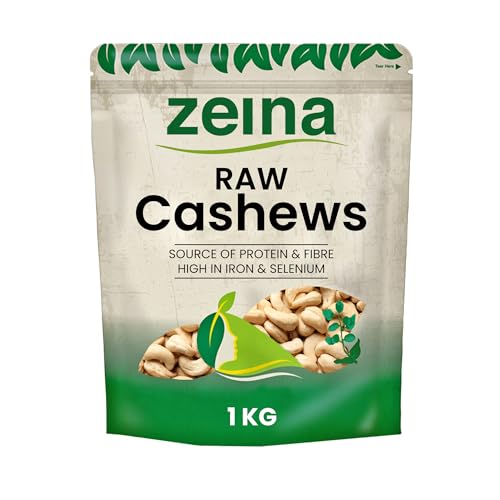
So, pick up your spoon, spread a dollop on your favorite snack, and savor the delicious melody of Cashew Butter and Sunflower Seed Butter—one delectable bite at a time.
Nutritional Benefits of Cashew Butter and Sunflower Seed Butter
Both Cashew Butter and Sunflower Seed Butter offer a powerhouse of nutrients that contribute to overall well-being.
Cashew Butter is high in monounsaturated fats, which are heart-healthy and can help lower bad cholesterol levels.
It also provides a good source of minerals like magnesium, zinc, and iron.
On the other hand, Sunflower Seed Butter is rich in antioxidants like vitamin E and selenium, which play a crucial role in supporting the immune system and combating oxidative stress.
Additionally, Sunflower Seed Butter is a great source of plant-based protein, making it an excellent option for vegetarians and vegans looking to meet their protein needs.
Culinary Versatility and Pairing Suggestions
The culinary versatility of Cashew Butter and Sunflower Seed Butter knows no bounds.
From sweet to savory dishes, these nut and seed butters can be used in a myriad of creative ways.
Cashew Butter shines in smoothies, baked goods, dressings, and sauces, adding a creamy richness and subtle sweetness.
On the other hand, Sunflower Seed Butter adds a nutty flavor and creamy texture to dishes like stir-fries, salads, and dips.
For a delightful twist, consider drizzling Cashew Butter over oatmeal topped with fresh fruits or spreading Sunflower Seed Butter on whole-grain toast with a dash of honey for a simple yet satisfying snack.
Sustainability and Ethical Considerations
When choosing nut and seed butters, it’s essential to consider the sustainability and ethical practices of the brands you support.
Opt for brands that source their ingredients responsibly, support fair trade practices, and prioritize environmental conservation.
By making mindful choices, you can contribute to a more sustainable food system and support companies that value transparency and ethical sourcing.
Additionally, consider exploring local producers or artisanal brands that prioritize quality and craftsmanship in their production process.