Celestron NexStar 6SE vs Orion SkyQuest XT6: A Comprehensive Comparison
Stargazing has always been a hobby that captivates the imagination and sparks curiosity about the vast unknown of the universe.
Whether you are a seasoned astronomer or a beginner looking to delve into the wonders of the night sky, choosing the right telescope is a crucial decision.
Two popular options that often come up in discussions are the Celestron NexStar 6SE and the Orion SkyQuest XT6.
Both these telescopes have their own set of features and capabilities that cater to different needs and preferences.
Let’s delve into a detailed comparison to help you make an informed choice based on your stargazing goals and requirements.
Importance of Choosing the Right Telescope
Choosing the right telescope is crucial for a fulfilling stargazing experience.
Recommended to our readers: Click here
A telescope is not just a tool for viewing celestial objects; it is a gateway to exploring the mysteries of the universe.
Different telescopes offer varying magnifications, apertures, tracking capabilities, and portability, which all impact the quality of observations and the overall enjoyment of stargazing sessions.
Features and Capabilities of the Celestron NexStar 6SE
The Celestron NexStar 6SE is a Schmidt-Cassegrain telescope known for its versatility and ease of use.
It features a 6-inch aperture, allowing for impressive views of planets, deep-sky objects, and more.
One of its standout features is the computerized GoTo mount, which automatically locates and tracks celestial objects with precision.
This makes it an excellent choice for beginners as well as experienced astronomers looking for convenience and accuracy in their observations.
Features and Capabilities of the Orion SkyQuest XT6
Recommended to our readers: Click here
On the other hand, the Orion SkyQuest XT6 is a classic Dobsonian telescope renowned for its simplicity and affordability.
With a 6-inch aperture and a stable base, the XT6 offers excellent light-gathering capabilities for detailed views of the moon, planets, and nebulae.
While lacking the GoTo technology of the NexStar 6SE, the XT6 excels in manual star-hopping, allowing users to navigate the night sky at their own pace and develop a deeper understanding of celestial coordinates.
Factors to Consider in Your Decision
When choosing between the Celestron NexStar 6SE and the Orion SkyQuest XT6, several factors come into play.
Consider your level of experience, desired portability, budget, observing preferences, and the importance of advanced technology like computerized mounts.
If you prioritize convenience and automated tracking, the NexStar 6SE may be the better option.
However, if you prefer hands-on exploration and a simpler setup, the Orion SkyQuest XT6 could be the ideal choice.
Ultimately, the decision boils down to your personal preferences and stargazing goals.
Introduction: A Glimpse into the World of Telescopes
Telescopes have been instrumental in enabling us to peer into the depths of the cosmos and unravel its mysteries.
The Celestron NexStar 6SE and the Orion SkyQuest XT6 represent two prominent contenders in the telescope market, each offering a unique set of features and functionalities.
Whether you are drawn to the portability and automation of the NexStar 6SE or the traditional appeal of the SkyQuest XT6, there is a telescope tailored to suit your needs and elevate your stargazing experience.
Evolution of Telescopes:
Telescopes have a rich history that dates back to ancient times when early inventors first peered through glass lenses to observe celestial objects.
Over the centuries, advancements in technology have revolutionized telescope design and functionality.
From Galileo’s rudimentary refracting telescope to the cutting-edge computerized models available today, telescopes have evolved to offer improved clarity, magnification, and precision in observing the night sky.
Key Features of the Celestron NexStar 6SE:
The Celestron NexStar 6SE is a popular choice among astronomers and hobbyists for its innovative features.
Equipped with a Schmidt-Cassegrain optical design, this telescope delivers impressive views of planets, galaxies, and nebulae.
Its computerized GoTo mount and database of over 40,000 celestial objects make locating and tracking targets a breeze.
Additionally, the NexStar 6SE’s compact size and easy setup make it ideal for both seasoned stargazers and beginners looking to explore the heavens.
Unveiling the Orion SkyQuest XT6:
In contrast, the Orion SkyQuest XT6 embodies a more traditional approach to stargazing.
This Dobsonian telescope features a classic Newtonian reflector design, renowned for its simplicity and robust construction.
With a six-inch aperture and sturdy base, the SkyQuest XT6 offers excellent light-gathering capabilities and stability for observing a wide range of astronomical objects.
Its manual tracking and easy collimation process provide an immersive and hands-on stargazing experience for astronomy enthusiasts.
Personalizing Your Stargazing Journey:
When choosing between the Celestron NexStar 6SE and the Orion SkyQuest XT6, it ultimately comes down to your individual preferences and stargazing goals.
Whether you prioritize convenience, advanced technology, or a more traditional observing approach, there is a telescope that aligns with your interests.
By tailoring your equipment to suit your needs, you can enhance your stargazing journey and discover the wonders of the universe in a way that resonates with you.

Optical Design: Lensing the Universe’s Beauty
When it comes to stargazing, the optical design of a telescope plays a pivotal role in determining the clarity and detail of celestial objects observed.
The Celestron NexStar 6SE boasts a Schmidt-Cassegrain design, known for its compact form factor and versatility.
This design combines a spherical primary mirror with a corrector plate, allowing for a longer focal length in a more compact tube.
On the other hand, the Orion SkyQuest XT6 features a classic Dobsonian design, characterized by its simplicity and effectiveness in light collection.
Recommended to our readers: Click here
With a primary mirror that gathers ample light, the SkyQuest XT6 excels in providing bright, detailed views of celestial objects.

Schmidt-Cassegrain Design Versatility and Advantages
The Schmidt-Cassegrain design, as seen in the Celestron NexStar 6SE, provides stargazers with a versatile instrument that excels in both planetary and deep-sky observations.
This design’s compact form factor makes it a popular choice for astronomers who wish to have a portable yet powerful telescope for their stargazing adventures.
The corrector plate in this design corrects for spherical aberration, ensuring that the images produced are sharp and clear across the entire field of view.
One notable advantage of the Schmidt-Cassegrain design is its longer focal length in a shorter tube, allowing for high magnification capabilities without the need for an excessively long telescope.
This makes it ideal for capturing detailed views of planets, the moon, star clusters, and even some deep-sky objects like galaxies and nebulae.
Dobsonian Design: Simplistic Elegance in Observation
The Orion SkyQuest XT6, with its classic Dobsonian design, offers stargazers a simplistic yet effective tool for exploring the night sky.
This telescope design is well-known for its ease of use and its ability to gather significant amounts of light, making it excellent for observing faint deep-sky objects and star clusters.
One of the standout features of the Dobsonian design is its stable base and smooth alt-azimuth movement, which allows for easy manual tracking of celestial objects.
This simplicity in design makes the SkyQuest XT6 an excellent choice for beginners and seasoned astronomers alike who value a straightforward and efficient observing experience.
Choosing the Right Design for Your Observing Needs
When selecting a telescope for stargazing, it’s essential to consider the specific types of objects you wish to observe and your observing preferences.
The Schmidt-Cassegrain design offers versatility, compactness, and high magnification capabilities, making it suitable for both planetary and deep-sky observation.
On the other hand, the Dobsonian design excels in light-gathering ability and simplicity, making it a great choice for observing faint deep-sky objects and star clusters.
Ultimately, the best telescope design for you will depend on your observing goals, portability requirements, and personal observing style.
Recommended to our readers: Click here
Both the Schmidt-Cassegrain and Dobsonian designs have their unique strengths, so choosing the right one will enhance your celestial viewing experience and help you explore the universe’s beauty to the fullest.
Mount and Tracking Capabilities: Navigating the Celestial Canvas
A crucial aspect of telescopes is their mount system, which determines stability, ease of use, and tracking accuracy.
The Celestron NexStar 6SE comes equipped with a computerized alt-azimuth fork mount that offers automated tracking and GoTo functionality.
This system enables users to effortlessly locate and track celestial objects by simply selecting them from a pre-programmed database.
In contrast, the Orion SkyQuest XT6 features a manual Dobsonian mount, which relies on manual adjustments for tracking objects in the night sky.
While lacking automation, the SkyQuest XT6’s mount provides a smooth and intuitive stargazing experience, ideal for those who enjoy hands-on telescope control.
Importance of Mount Systems:
The mount system of a telescope plays a pivotal role in its overall performance and user experience.
It determines how stable the telescope is during observations, how easy it is to make precise adjustments, and how accurately it can track celestial objects.
A high-quality mount can significantly enhance the enjoyment and efficiency of stargazing sessions, particularly for beginners who may struggle with manual tracking.
Automation vs. Manual Control:
The automation provided by the Celestron NexStar 6SE’s computerized alt-azimuth fork mount offers a level of convenience and precision that is unmatched by manual systems.
Users can simply select an object from the telescope’s database, and the mount will automatically adjust to keep that object in view.
This feature is especially beneficial for capturing detailed images or observing faint celestial phenomena that require precise tracking.
On the other hand, the manual Dobsonian mount of the Orion SkyQuest XT6 offers a more hands-on and interactive stargazing experience.
While it lacks the automated tracking capabilities of the Celestron NexStar 6SE, the Dobsonian mount allows users to hone their observational skills by manually adjusting the telescope to follow celestial objects.
This tactile engagement with the night sky can be extremely rewarding for enthusiasts looking to deepen their understanding of astronomy.
Tracking Accuracy and Stability:
The computerized mount of the Celestron NexStar 6SE ensures consistent and accurate tracking of celestial objects, even at high magnifications.
This stability is crucial for capturing clear images or observing intricate details on distant galaxies and nebulae.
The GoTo functionality simplifies the process of finding specific targets in the night sky, making the telescope more accessible to beginners and experienced astronomers alike.
While the manual Dobsonian mount of the Orion SkyQuest XT6 requires more effort and practice to track objects smoothly, its simplicity and robust design provide a reliable platform for stargazing.
The smooth movements of the Dobsonian mount allow users to navigate the night sky with precision and control, creating an immersive experience that encourages active engagement with the wonders of the universe.
Aperture and Light Gathering: Unveiling the Secrets of the Universe

The aperture of a telescope determines its light-gathering ability and directly impacts the clarity and brightness of observed celestial objects.
Recommended to our readers: Click here
The Celestron NexStar 6SE features a 6-inch aperture, allowing for impressive views of planets, nebulae, and galaxies.
This aperture size strikes a balance between portability and light collection, making it an excellent choice for both deep-sky observations and planetary viewing.
In comparison, the Orion SkyQuest XT6 offers a larger 6-inch primary mirror, enhancing light gathering and revealing finer details of distant celestial bodies.
The increased aperture of the SkyQuest XT6 can provide a more immersive viewing experience, particularly for deep-sky objects with low surface brightness.
Importance of Aperture in Telescopes:
The aperture of a telescope is like the eye of the instrument, determining how much light it can gather and focus.
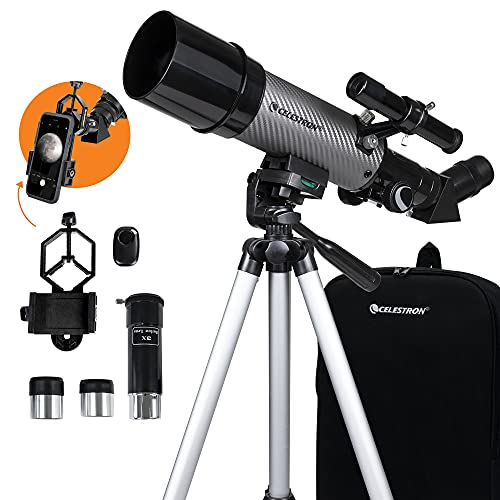
A larger aperture allows more light to enter the telescope, resulting in brighter and clearer images of celestial objects.
For example, a 6-inch aperture collects more light than a 4-inch aperture, enabling astronomers to see fainter objects and finer details in the night sky.
Aperture Size and Observational Capabilities:
The Celestron NexStar 6SE, with its 6-inch aperture, strikes a balance between portability and light-gathering capacity.
This aperture size is versatile, offering good performance for both deep-sky observations and planetary viewing.
When observing planets like Jupiter or Saturn, the 6-inch aperture of the NexStar 6SE allows for crisp views of surface features and cloud bands.
Additionally, when observing deep-sky objects such as the Orion Nebula or the Andromeda Galaxy, the larger aperture helps reveal finer details and enhances the overall viewing experience.
Enhanced Light Gathering of the Orion SkyQuest XT6:
In contrast, the Orion SkyQuest XT6 features a larger 6-inch primary mirror, which enhances its light-gathering capabilities compared to the NexStar 6SE.
With this increased aperture, the SkyQuest XT6 can provide a more immersive viewing experience, especially when observing faint deep-sky objects with low surface brightness.
Distant galaxies, faint nebulae, and star clusters appear brighter and more detailed when viewed through the SkyQuest XT6, making it an excellent choice for astronomers interested in exploring the wonders of the universe in greater depth.
Considerations for Choosing the Right Aperture:
When selecting a telescope, it’s essential to consider how the aperture size aligns with your observing preferences.
Larger apertures offer superior light-gathering abilities, resulting in clearer and more detailed views of celestial objects.
However, larger apertures also tend to make telescopes heavier and less portable.
Therefore, it’s crucial to strike a balance between aperture size, observational capabilities, and portability based on your specific interests and needs in astronomy.
Accessories and Additional Features: Enhancing Your Stargazing Journey
Beyond the core telescope functionalities, accessories and supplementary features can enhance your stargazing expedition and streamline your astronomical pursuits.
The Celestron NexStar 6SE comes with a range of accessories, including a red dot finder, a sturdy tripod, and a hand controller for navigating the telescope’s database.
Additionally, the NexStar 6SE offers compatibility with various accessories such as camera adapters and filters, allowing for versatile observation and astrophotography possibilities.
Conversely, the Orion SkyQuest XT6 focuses on providing a no-frills stargazing experience, emphasizing the essentials such as a finder scope and eyepieces.
The simplicity of the SkyQuest XT6 appeals to purists who prefer a more hands-on approach to astronomy without excessive gadgetry.
Importance of Accessories in Stargazing
Recommended to our readers: Click here
Accessories play a crucial role in enhancing your stargazing experience by providing you with additional functionalities and customization options.
They can help you adapt your telescope to different observation needs and improve the overall efficiency of your astronomical pursuits.
For example, a red dot finder can make locating celestial objects much easier by providing a quick and accurate point of reference in the night sky.

Similarly, a sturdy tripod ensures stability and minimizes vibrations, leading to sharper and more detailed observations.
Versatility and Customization
One of the key advantages of accessories is the ability to customize your telescope setup according to your preferences.
The compatibility of the Celestron NexStar 6SE with various accessories such as camera adapters and filters opens up a world of possibilities for astrophotography enthusiasts.
By adding these accessories, you can capture stunning images of celestial objects and expand your stargazing journey beyond visual observation.
The flexibility to experiment with different accessories allows you to adapt your telescope to specific astronomical events or targets, making each stargazing session unique and rewarding.
Tailoring Your Setup for Different Observing Conditions
Accessories also enable you to tailor your telescope setup for different observing conditions.
For instance, using filters with the Celestron NexStar 6SE can help enhance contrast and visibility when observing planets or deep-sky objects under light-polluted skies.
Adjusting your accessories based on factors such as light pollution levels, atmospheric conditions, or specific celestial targets can significantly improve the quality of your observations.
Enhancing the Stargazing Experience Through Personalization
While some stargazers prefer a straightforward and minimalistic approach to observing celestial objects, others enjoy exploring the possibilities of advanced accessories to enhance their stargazing experience.
Whether you opt for the simplicity of the Orion SkyQuest XT6 or the versatility of the Celestron NexStar 6SE, the key is to personalize your stargazing journey to align with your interests and goals.
Experimenting with different accessories can help you discover new ways to engage with the cosmos and deepen your appreciation for the wonders of the night sky.
Conclusion: Choose Your Cosmic Companion
In the vast expanse of the night sky, telescopes serve as our windows to the wonders of the universe, offering glimpses of distant galaxies, shimmering star clusters, and mystical nebulae.
The Celestron NexStar 6SE and the Orion SkyQuest XT6 stand out as formidable contenders in the realm of amateur astronomy, each catering to distinct preferences and priorities.
Whether you are inclined towards the automation and portability of the NexStar 6SE or the classic charm of the SkyQuest XT6, selecting the right telescope is a personal journey that aligns with your astronomical aspirations.
Before embarking on your celestial odyssey, consider your observing preferences, stargazing objectives, and desired features to find the perfect cosmic companion that will accompany you on countless starlit adventures.
Unleashing the Cosmic Wonders:
Imagine pointing your telescope towards the Orion Nebula, located about 1,344 light-years away from Earth, and witnessing the birthplace of new stars within its swirling gas clouds.
With the Celestron NexStar 6SE, its computerized tracking and database of over 40,000 celestial objects make such awe-inspiring views easier to access, especially for beginners diving into the realm of astronomy.
On the other hand, the Orion SkyQuest XT6 offers a more hands-on approach that connects you directly with the cosmos.
Picture scanning the Moon’s cratered surface or marveling at the rings of Saturn through the SkyQuest XT6’s large aperture and sturdy Dobsonian mount, which enhances stability for clear, detailed observations.
This telescope’s simplicity harks back to the essence of observational astronomy, where patience and skill combine to reveal the hidden treasures of the night sky.
Aligning Your Journey with the Stars:
When selecting your cosmic companion, consider your preferred observing style.
Do you seek the convenience of automatic alignment and tracking found in the NexStar 6SE, or the manual precision and intimate engagement offered by the SkyQuest XT6?
If your stargazing pursuits involve a desire for technological assistance and ease of use, the NexStar 6SE’s GoTo mount and SkyAlign feature simplify celestial navigation, allowing you to focus more on enjoying the celestial marvels rather than struggling with setup.
On the other hand, if you relish the tactile experience of star-hopping and manually sighting celestial objects, the SkyQuest XT6’s push-to system and intuitive controls empower you to take a hands-on approach to astronomical exploration, fostering a deeper connection with the cosmos.
Embarking on Your Celestial Odyssey:
Before setting out under the blanket of a starlit sky, reflect on your stargazing objectives and the features that resonate with your astronomical goals.
Are you drawn to capturing detailed images of planets and deep-sky objects, or do you seek to immerse yourself in the visual splendor of the universe through direct observation?
Whether you opt for the advanced technology of the NexStar 6SE or the traditional allure of the SkyQuest XT6, let your cosmic companion be a reflection of your celestial aspirations, guiding you on a journey filled with wonder, discovery, and endless nights spent unraveling the mysteries of the cosmos.