Nest Learning Thermostat vs Ecobee SmartThermostat: A Deep Dive into Smart Home Climate Control
Key Features of Nest Learning Thermostat
The Nest Learning Thermostat is equipped with a variety of innovative features that make it a standout smart home climate control device.
Recommended to our readers: Click here
One of its key features is the ability to learn your temperature preferences over time through its advanced algorithms.
By monitoring your daily routine and adjusting the temperature accordingly, the Nest Thermostat ensures optimal comfort while also saving energy.
Energy-Saving Benefits
The energy-saving benefits of the Nest Learning Thermostat are particularly notable.
Through its learning capabilities and smart scheduling, the device can significantly reduce your heating and cooling costs.
For example, the thermostat can automatically lower the temperature when you are away from home and adjust it back to your preferred setting when you return.
This not only enhances your comfort but also contributes to energy efficiency.
Additionally, the Nest Thermostat provides energy usage reports, giving you valuable insights into your household’s heating and cooling patterns.
By analyzing these reports, you can identify opportunities to further optimize your energy consumption and lower your utility bills.

Remote Access and Compatibility
Another advantage of the Nest Learning Thermostat is its remote access and compatibility with various smart home systems.
By connecting the thermostat to the Nest app on your smartphone or tablet, you can control your home’s temperature settings from anywhere.
This feature is especially convenient when you want to adjust the temperature before arriving home or while traveling.
Furthermore, the Nest Thermostat is compatible with popular smart home platforms such as Google Assistant and Amazon Alexa, allowing for seamless integration with other connected devices in your home.
This compatibility enables you to create customized routines and automate temperature adjustments based on different scenarios or voice commands.
Design and User-Friendly Interface
In terms of design, the Nest Learning Thermostat features a sleek and modern aesthetic that can complement any home decor.
Its intuitive user interface makes it easy to set up and navigate through different settings.
The device also comes with a vibrant display that shows current temperature, weather information, and energy usage data at a glance.
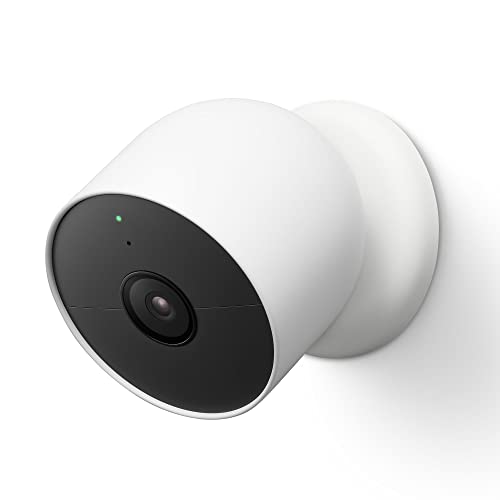
Overall, the Nest Learning Thermostat offers a comprehensive smart climate control solution that combines energy efficiency, convenience, and user-friendly design to enhance your home comfort and sustainability efforts.
Introduction: Setting the Stage
In the ever-evolving landscape of smart technology, the battle for supremacy in the realm of smart thermostats is fiercely contested between two titans – the Nest Learning Thermostat and the Ecobee SmartThermostat.
Both devices promise to revolutionize the way we interact with our home climate control systems, offering cutting-edge features and intuitive interfaces.
But which one truly reigns supreme?
Let’s delve into the intricacies of these smart devices and explore how they stack up against each other.
Smart Technology Revolutionizing Home Climate Control
With the rapid advancement of smart technology, our homes are becoming more interconnected and intelligent than ever before.
Smart thermostats like the Nest Learning Thermostat and Ecobee SmartThermostat represent a significant leap forward in how we regulate our indoor climate.
These devices leverage advanced sensors, machine learning algorithms, and connectivity to provide users with greater control, energy efficiency, and comfort.
Nest Learning Thermostat: The Pioneer
The Nest Learning Thermostat, developed by Nest Labs, has long been considered a pioneer in the smart thermostat market.
It garnered attention for its sleek design, learning capabilities, and seamless integration with other smart home devices.
The device uses innovative algorithms to analyze user habits and adjust temperature settings automatically, potentially resulting in significant energy savings over time.
Ecobee SmartThermostat: The Challenger
On the other hand, the Ecobee SmartThermostat has emerged as a strong challenger to the Nest thermostat’s dominance.
What sets the Ecobee apart is its remote sensors that detect temperature and occupancy in different rooms, enabling more precise temperature management throughout the home.
Additionally, its compatibility with voice assistants like Amazon Alexa and Google Assistant enhances the user experience by allowing for convenient hands-free control.
Features Comparison
When comparing the Nest Learning Thermostat and Ecobee SmartThermostat head-to-head, several key features come into play.
These include compatibility with HVAC systems, user interface design, energy-saving capabilities, smart home integration, and ongoing software updates.
By examining these aspects in detail, we can better understand the strengths and weaknesses of each device, ultimately determining which one offers the most value and performance for users.
Design and User Interface: Form Meets Function
First impressions matter, especially when it comes to tech gadgets that will become a focal point in your home.
The Nest Learning Thermostat sports a sleek, minimalist design that blends seamlessly with modern interiors.
Its iconic circular display is not just eye-catching but also serves a functional purpose by providing a clear indication of temperature and settings at a glance.
On the other hand, the Ecobee SmartThermostat opts for a rectangular form factor with a vibrant touchscreen display that offers more real estate for information display and interaction.
Aesthetics and Integration with Home Decor:
When discussing the design of smart home devices like thermostats, it’s crucial to consider how they integrate into the overall aesthetic of a home.
The Nest Learning Thermostat’s round shape and premium materials give it a high-end feel that can complement various interior design styles.
Its choice of finishes, including stainless steel and various colors, allows homeowners to select the one that best matches their decor.
Recommended to our readers: Click here
In contrast, the Ecobee SmartThermostat’s rectangular form may appeal to those who prefer a more modern and tech-forward look in their living spaces.
The sleek black finish and slim profile of the Ecobee thermostat lend a contemporary touch to any room.
Recommended to our readers: Click here

Interactive User Experience:
Beyond just the physical design, the user interface plays a crucial role in enhancing the overall user experience.
The Nest Learning Thermostat’s intuitive interface makes it effortless for users to adjust settings, create schedules, and monitor energy usage.
Its adaptive learning feature analyzes user behavior to automatically adjust temperature settings, creating a truly hands-off experience.
The Ecobee SmartThermostat, on the other hand, offers a responsive touchscreen interface that allows for easy navigation through menus and settings.
Users can quickly access weather forecasts, energy reports, and smart home integrations directly from the device, enhancing convenience and usability.
Customization and Personalization:
One of the key advantages of smart thermostats is their ability to be customized to fit individual preferences and lifestyle.
The Nest Learning Thermostat allows users to personalize settings, such as temperature preferences for different times of the day or specific days of the week.
Its Farsight feature can display weather updates, time, or outdoor temperature on the screen when it detects someone approaching.
In comparison, the Ecobee SmartThermostat boasts a highly customizable interface, where users can choose from various themes and wallpapers to tailor the device’s look to their liking.
Additionally, the Ecobee thermostat provides detailed energy usage reports and tips for optimizing heating and cooling, empowering users to make informed decisions about their energy consumption.
Features and Performance: The Battle of the Smart Functions
When it comes to features, both thermostats come loaded with an impressive array of capabilities aimed at optimizing energy efficiency and enhancing user comfort.
The Nest Learning Thermostat boasts advanced learning algorithms that adapt to your schedule and temperature preferences over time, leading to potential energy savings.
Recommended to our readers: Click here
Additionally, its integration with smart home ecosystems like Google Home and Alexa enables seamless voice control and automation.
In contrast, the Ecobee SmartThermostat sets itself apart with its remote sensor technology, allowing you to monitor and adjust temperatures in multiple rooms for targeted comfort.
This can be particularly advantageous for larger homes or uneven heating/cooling issues.
Furthermore, Ecobee shines in its compatibility with a wide range of HVAC systems, offering greater flexibility for users with diverse setup requirements.
Advanced Learning Algorithms of the Nest Learning Thermostat
The Nest Learning Thermostat’s advanced learning algorithms go beyond simple scheduling to truly understand your heating and cooling patterns.
By analyzing your behavior and preferences over time, it can automatically adjust the temperature to maximize energy efficiency without sacrificing comfort.
For example, if you typically turn up the heat in the evenings, the Nest Learning Thermostat will learn this pattern and start doing it for you.
Smart Home Integration for Seamless Control
In addition to its learning capabilities, the Nest Learning Thermostat seamlessly integrates with popular smart home ecosystems like Google Home and Alexa.
This means you can control your thermostat using voice commands, set up automation routines, and even incorporate it into your smart home setups for a cohesive and convenient experience.
For instance, you can use voice commands to adjust the temperature without having to lift a finger, or create schedules that align with your daily routines.
Remote Sensor Technology of the Ecobee SmartThermostat
What sets the Ecobee SmartThermostat apart is its innovative remote sensor technology, which allows you to monitor and adjust temperatures in different rooms of your house.
Recommended to our readers: Click here
This feature is especially beneficial for larger homes where temperature variations can occur, ensuring that each room maintains the ideal comfort level.
For example, you can place sensors in bedrooms to ensure they are kept at the perfect temperature for a restful night’s sleep.
Enhanced Compatibility with HVAC Systems
Ecobee SmartThermostat’s compatibility with a wide range of HVAC systems gives users greater flexibility when it comes to installation and usage.
Whether you have a conventional HVAC setup or a more complex system, Ecobee can seamlessly integrate and optimize performance.
This flexibility ensures that users with diverse HVAC requirements can still enjoy the benefits of a smart thermostat without worrying about compatibility issues.
Energy Efficiency and Cost Savings: The Bottom Line
One of the primary motivations for investing in a smart thermostat is the promise of energy savings and reduced utility bills.
Both Nest and Ecobee excel in this aspect, leveraging smart algorithms and sensors to optimize heating and cooling cycles based on occupancy and external factors.
Studies have shown that users of smart thermostats can achieve significant savings on their energy bills over time, making them a worthwhile investment in the long run.
However, the real differentiator lies in how effectively each thermostat can adapt to your unique home environment and preferences.
While the Nest Learning Thermostat’s self-learning capabilities can be a game-changer for users with consistent schedules, the Ecobee’s sensor-based approach offers more customization options for households with varying routines and room occupancy patterns.
Energy Savings through Smart Algorithms and Sensors:
Smart thermostats such as Nest and Ecobee harness the power of advanced algorithms and sensors to intelligently regulate heating and cooling systems in homes.
By continuously monitoring occupancy patterns, external weather conditions, and user preferences, these devices can optimize energy usage to achieve efficient temperature control.
For example, if a user typically leaves for work in the morning and returns in the evening, the smart thermostat can adjust the temperature settings accordingly to reduce energy consumption during the day and ensure comfort upon their return.
Real-time Monitoring and Feedback Mechanisms:
Another key feature that enhances energy efficiency is the real-time monitoring and feedback provided by smart thermostats.
Users can access detailed reports on their energy usage trends, set goals for reducing consumption, and receive alerts if there are opportunities to further optimize their HVAC systems.
This transparency empowers homeowners to make informed decisions that not only reduce their environmental footprint but also lead to long-term cost savings.
Adaptive Learning vs. Sensor Customization:
The Nest Learning Thermostat’s adaptive learning capabilities enable it to memorize temperature adjustments made by users over time to create a personalized schedule.
This feature is particularly beneficial for individuals with consistent routines, as the thermostat can anticipate temperature changes based on historical data.
On the other hand, the Ecobee smart thermostat offers customization through additional room occupancy sensors, allowing users to prioritize specific areas of the house or adjust settings based on real-time criteria.
This flexibility caters to households with varying schedules and room usage patterns, ensuring that each area receives optimal heating or cooling based on occupancy levels.
Integration and Ecosystem Compatibility: Building a Connected Home
In today’s interconnected world, the ability of smart devices to seamlessly integrate with other gadgets and platforms is a crucial factor for many consumers.

Both Nest and Ecobee have made significant strides in this area, with support for popular smart home ecosystems like Apple HomeKit, Amazon Alexa, and Google Assistant.
This means you can control your thermostat using voice commands, create custom automation routines, and monitor energy usage through a unified interface.
Moreover, the ecosystem compatibility extends beyond just smart assistants, with both thermostats offering integration with third-party devices like lights, security cameras, and door locks.
This opens up a world of possibilities for creating a truly interconnected smart home where all your devices work in harmony to enhance your lifestyle.
Seamless Integration with Popular Home Ecosystems
The seamless integration of smart thermostats like Nest and Ecobee with popular home ecosystems not only enhances user convenience but also expands the scope of functionalities within a smart home setup.
For instance, with support for Apple HomeKit, users can conveniently control their thermostat using Siri voice commands, set up scenes that adjust the temperature based on their location, or even integrate the thermostat with other Apple HomeKit compatible devices like smart lights and locks for a comprehensive smart home experience.
In addition, integration with Amazon Alexa and Google Assistant provides users with a hands-free way to manage their thermostat settings, check the temperature, or set up routines that enhance energy efficiency.
With voice commands becoming increasingly popular as a means of controlling smart home devices, the compatibility with these assistants ensures a smooth user experience in controlling the thermostat from anywhere in the house.

Interconnection with Third-Party Devices
The compatibility of Nest and Ecobee thermostats with a wide range of third-party devices further extends the possibilities of creating a connected and sophisticated smart home ecosystem.
For instance, users can integrate their thermostats with smart lighting systems to create lighting presets that adjust based on the temperature settings, or link them with security cameras to automatically adjust the temperature when the house is empty or occupied.
Moreover, integration with door locks enables a more comprehensive approach to home automation, where the thermostat can adjust settings based on whether the door is locked or unlocked, enhancing both convenience and security.
By offering compatibility with various third-party devices, Nest and Ecobee empower users to customize their smart home experience according to their specific needs and preferences, creating a truly interconnected environment where all devices work in harmony to streamline daily routines and optimize energy usage.
Conclusion: Making the Right Choice for Your Home
As we wrap up our exploration of the Nest Learning Thermostat and the Ecobee SmartThermostat, one thing becomes abundantly clear – both devices represent the pinnacle of smart climate control technology.
Whether you prioritize sleek design and intuitive learning algorithms or advanced sensors and ecosystem compatibility, there is a smart thermostat out there that caters to your specific needs.
Ultimately, the choice between Nest and Ecobee comes down to your individual preferences, home setup, and desired features.
Whichever path you choose, rest assured that you are stepping into a world of unprecedented convenience, energy efficiency, and comfort – all at the touch of a button or the sound of your voice.
So, whether you opt for the elegant simplicity of the Nest Learning Thermostat or the multifaceted functionality of the Ecobee SmartThermostat, you are embarking on a journey towards a smarter, more connected home that adapts to your lifestyle and enhances your well-being.
The future of home climate control is here – are you ready to embrace it?
Factors to Consider in Choosing the Right Smart Thermostat
In making the decision between the Nest Learning Thermostat and the Ecobee SmartThermostat, several key factors should be taken into account to ensure that your choice aligns with your specific requirements and preferences:
Home Integration and Compatibility
Consider the existing smart home devices you have or plan to incorporate in the future.
Both the Nest and Ecobee thermostats offer integration with various smart home ecosystems such as Google Assistant, Amazon Alexa, and Apple HomeKit.
If you already have other smart devices, choosing a thermostat that works harmoniously with your existing setup can streamline your home automation experience.
Customization and Control Features
Delve into the customization options and control features provided by each thermostat.
The Ecobee SmartThermostat, for example, boasts room sensors that enable more targeted temperature regulation throughout your home.
Recommended to our readers: Click here
On the other hand, Nest Learning Thermostat’s learning algorithms adapt to your schedule and preferences over time, optimizing energy efficiency without sacrificing comfort.
Design and Aesthetics
Aesthetics may also play a role in your decision-making process.
While the Nest Learning Thermostat is celebrated for its sleek, minimalist design that seamlessly blends into any home decor, the Ecobee SmartThermostat offers a larger touch screen display for enhanced visibility and interaction.
Choose a thermostat that not only functions efficiently but also complements the aesthetics of your living space.
Energy Efficiency and Cost Savings
Evaluate the energy-saving features of each thermostat to determine their potential impact on your utility bills.
Both the Nest and Ecobee models offer energy-saving modes and insights to help you monitor and optimize your energy usage.
Investing in a smart thermostat can lead to long-term cost savings by efficiently managing your heating and cooling systems based on your habits and preferences.
User-Friendly Interface and Accessibility
Consider the user interface and accessibility features of the thermostats.
The Nest Learning Thermostat provides a simple, intuitive interface that learns your preferences over time, making manual adjustments less necessary.
In contrast, the Ecobee SmartThermostat offers detailed analytics and scheduling options through its app, allowing for precise control of your home climate settings even when you’re away.
By carefully considering these factors and weighing the unique benefits of each smart thermostat, you can make an informed decision that aligns with your lifestyle and enhances the comfort and efficiency of your home environment.
Remember, the choice between Nest and Ecobee is not just about selecting a thermostat