iPhone vs Android: Which is better for gaming?
From casual gamers to esports enthusiasts, the debate over whether iPhones or Android phones offer a superior gaming experience rages on.
Both platforms have loyal followings, but when it comes to gaming, does one reign supreme?
In this feature article, we delve into the world of mobile gaming to uncover the strengths and weaknesses of iPhone and Android devices, exploring key factors such as performance, game selection, customization options, and community engagement.
By the end, you’ll have a clearer picture of which platform might suit your gaming preferences best.
Performance Comparison:
When it comes to gaming performance, iPhones are known for their optimized hardware and software integration.
Apple’s A-series chips consistently offer high processing power and optimized graphics capabilities, resulting in smooth and lag-free gaming experiences.
The iOS ecosystem is also tightly controlled, leading to better optimization of games for specific iPhone models.
Android, on the other hand, is a more diverse ecosystem with a wide range of devices running on different chipsets and varying levels of software optimization.
While flagship Android devices can certainly compete with iPhones in terms of performance, lower-end or older Android phones might struggle with demanding games due to hardware limitations and software fragmentation.
Game Selection Diversity:
The Apple App Store boasts a vast selection of high-quality games, many of which are exclusive to the iOS platform.
iPhone users often get early access to popular titles and enjoy a variety of genres, from casual puzzles to hardcore multiplayer games.
The curated nature of the App Store ensures that most games meet certain quality standards, providing a generally better gaming experience.
Android’s Google Play Store, on the other hand, offers a larger quantity of games due to its open nature.
While Android users have access to a wider range of gaming options, the quality can vary significantly.
The openness of the platform also means that some games may be less optimized for specific Android devices, leading to potential performance issues or compatibility problems.
Customization and Personalization:
One key advantage of Android devices for gaming is the level of customization they offer.
Android users can tweak system settings, install custom launchers, and even overclock their devices to enhance gaming performance.
This level of flexibility allows gamers to tailor their gaming experience to their preferences, whether it’s adjusting graphics settings or using third-party accessories.
iPhones, on the other hand, are known for their streamlined and user-friendly interface, which limits customization options.
While iOS does offer some degree of personalization through app widgets and themes, Android devices provide a more extensive range of customization tools that can cater to gamers looking to fine-tune their gaming setup.
Community Engagement and Social Features:
Community engagement is an essential aspect of modern gaming, and both iOS and Android platforms offer unique social features.
iOS users benefit from the Game Center, which allows them to connect with friends, compare achievements, and compete in multiplayer games.
The tight integration of social features within the iOS ecosystem enhances the overall gaming experience for those who enjoy competing with or collaborating with friends.
On the Android side, Google Play Games provides similar social functionalities, including
Performance: The Heart of Mobile Gaming
When it comes to gaming, performance is paramount.
iPhones, renowned for their seamless integration of hardware and software, often outshine Android devices in terms of sheer processing power and graphical prowess.
The latest A-series chips in iPhones deliver impressive speeds and fluid gameplay, enabling developers to create visually stunning and lag-free gaming experiences.
On the other hand, Android phones offer a wider range of hardware options, catering to both budget-conscious gamers and power users.
However, this diversity can sometimes lead to optimization issues, with some games performing inconsistently across different Android devices.
The Impact of Hardware and Software Integration on Performance
The tight integration of hardware and software in iPhones plays a significant role in delivering top-notch gaming performance.
Apple’s meticulous control over both aspects allows for optimized performance, resulting in a smoother and more satisfying gaming experience.
For example, the A-series chips in iPhones are custom-designed by Apple to work seamlessly with the iOS operating system, ensuring high levels of efficiency and speed in handling complex gaming tasks.
Graphics Quality and Gaming Experience
The graphical prowess of iPhones is a standout feature that enhances the overall gaming experience.
The latest A-series chips not only deliver impressive processing speeds but also support advanced graphics rendering capabilities.
This allows game developers to push the boundaries of visual aesthetics, creating immersive gaming worlds with stunning graphics and realistic details.
The smooth rendering of graphics on iPhones contributes to a visually captivating and engaging gameplay environment.
Challenges and Opportunities in Android Gaming Performance
While Android devices offer a diverse range of hardware options, this variety can present challenges in ensuring consistent gaming performance across the platform.
Developers often face optimization issues when trying to cater to the multitude of Android devices with varying specifications.
For example, a game that runs smoothly on a high-end Android phone may struggle to perform well on a mid-range or budget device due to hardware limitations.
This disparity poses a challenge for developers seeking to offer a uniform gaming experience across different Android devices.
The Role of Optimization in Mobile Gaming
Optimization plays a critical role in delivering a seamless gaming experience on mobile devices.
Developers need to fine-tune their games to leverage the specific hardware capabilities of each device platform.
For iOS, this process is relatively streamlined due to the limited range of Apple devices with consistent hardware specifications.
In contrast, optimizing games for Android requires additional effort to ensure compatibility and performance across a wide array of devices.
By prioritizing optimization, developers can maximize the potential of each device and deliver a high-quality gaming experience to players regardless of their chosen platform.
Game Selection: Diversity vs. Exclusivity
The gaming landscape on iPhone and Android devices differs significantly in terms of game selection.
The App Store boasts a vast library of titles, including many exclusive releases and high-quality indie games.
Apple’s strict app review process also means that iPhone users typically encounter fewer low-quality or malware-infested games.
In contrast, the Google Play Store offers a more diverse range of games, with a larger selection of free-to-play options and open access for developers.
This diversity can be a double-edged sword, however, as it can be challenging for users to navigate through the plethora of choices and identify top-tier gaming experiences.
Exclusive Titles and High-Quality Indie Games on the App Store

The App Store is known for its collection of exclusive titles that cater to a wide range of gaming preferences.
For example, games like “Monument Valley,” “Infinity Blade,” and “Alto’s Adventure” have garnered critical acclaim and are only available on iOS devices.
These exclusives often set Apple’s platform apart and attract users looking for unique and innovative gaming experiences.
Additionally, the App Store is a hub for high-quality indie games that receive recognition for their creativity and gameplay mechanics.
Titles like “Florence,” “Bastion,” and “Stardew Valley” have flourished on the platform, showcasing the diverse range of games available to iPhone users.
Diverse Range of Games on Google Play Store
In contrast to the curated selection on the App Store, the Google Play Store offers a vast and diverse array of games, catering to a broad audience with different tastes and preferences.
Users can explore genres ranging from casual puzzle games and action-packed shooters to immersive role-playing adventures and simulation titles.
The availability of a larger selection of free-to-play games on Google Play allows users to try out various games without financial commitment, providing accessibility to a wider audience of gamers.
Additionally, the open access for developers on the Google Play Store encourages innovation and diversity in game offerings, leading to a rich ecosystem of gaming experiences for Android users to enjoy.
Navigating Through Choices and Identifying Top-Tier Games
While the abundance of games on the Google Play Store provides users with a wealth of options, it can also present challenges in terms of discoverability and quality assurance.
Unlike the App Store’s stringent review process, the sheer volume of games on Google Play can make it difficult for users to sift through and identify top-tier gaming experiences.
This can lead to a scenario where gems may go unnoticed amidst a sea of mediocre or low-quality games, requiring users to rely on external reviews, recommendations, or community feedback to uncover hidden gaming gems.
Strategies like utilizing curated lists, following gaming influencers, or participating in online forums can help users navigate through the vast selection of games on the Google Play Store and find titles that align with their preferences and standards for gameplay quality.
Customization: Making Your Gaming Experience Unique
For gamers who enjoy personalizing their devices, Android’s open-source nature provides unparalleled customization options.
Recommended to our readers: Click here
From custom launchers and icon packs to in-depth system modifications, Android users have the freedom to tailor their gaming setups to suit their preferences.
This flexibility extends to peripherals as well, with many Android devices supporting a wide array of controllers and accessories for enhanced gameplay.
In contrast, iPhones offer a more streamlined and user-friendly experience, with limited customization options but a more cohesive ecosystem that seamlessly integrates with other Apple devices.
**Custom Launchers and Icon Packs**
Android users have the ability to completely transform the look and feel of their device with custom launchers and icon packs.
Launchers like Nova Launcher and Action Launcher offer extensive options for customizing home screens, app drawers, and gestures.
Icon packs, on the other hand, allow users to change the appearance of app icons to match their preferred aesthetic or theme.
This level of personalization not only enhances the visual appeal of the device but also adds a unique touch to the gaming experience.
**System Modifications and Root Access**
One of the defining features of Android’s customization capabilities is the ability to make deep system modifications, especially for users who have rooted their devices.
Rooting grants access to the Android system at the administrative level, opening up possibilities for custom ROMs, kernel tweaks, and performance optimizations.
Advanced users can fine-tune their devices to maximize gaming performance, battery life, and overall functionality, creating a truly unique gaming setup tailored to their specific needs.
Recommended to our readers: Click here
**Peripheral Compatibility and Gaming Accessories**
Android devices support a wide range of peripherals and gaming accessories, offering gamers a diverse selection to enhance their gameplay experience.
From Bluetooth controllers and gaming pads to VR headsets and external keyboards, Android users have the flexibility to choose accessories that best suit their gaming preferences.
This compatibility extends beyond traditional gaming peripherals, allowing users to customize their setup with accessories like docking stations, external storage devices, and even gaming-specific hardware like handheld consoles and gaming triggers.
Community Engagement: The Social Aspect of Gaming
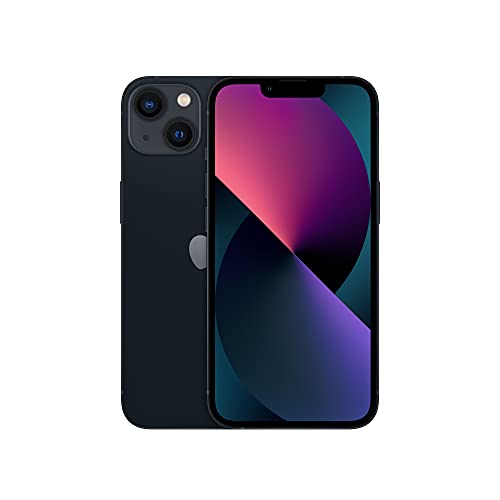
Gaming is often a social experience, and both iPhone and Android devices cater to the community aspect in different ways.
iPhones are known for their robust multiplayer capabilities and integration with popular social platforms like Game Center, making it easy for gamers to connect with friends and compete in real-time.
Android devices, on the other hand, shine in terms of community-driven content creation, with platforms like Twitch and YouTube fostering a vibrant gaming community.
Additionally, Android’s support for emulators and modding communities allows users to engage with retro games and user-generated content in unique ways.
iPhone’s Robust Multiplayer Capabilities
In terms of multiplayer capabilities, iPhones offer a seamless and high-quality gaming experience for users looking to connect with friends or compete against other players.
The Game Center feature on iPhones serves as a central hub for multiplayer gaming, enabling players to invite friends, form gaming communities, and seamlessly jump into online matches.
With features like leaderboards, achievements, and real-time challenges, iPhone users can engage in friendly competition and showcase their skills to a wide audience.
Android’s Emulator and Modding Communities

One of the key strengths of Android devices lies in their support for emulators and modding communities.
Emulators allow users to play retro games from consoles like Nintendo, Sega, and PlayStation on their Android devices, bringing a wave of nostalgia to gamers.
Modding communities, on the other hand, enable users to customize and enhance their gaming experience by creating new levels, characters, or features for popular games.
This user-generated content adds a layer of creativity and personalization to Android gaming, fostering a dynamic and ever-evolving community of dedicated gamers.
Recommended to our readers: Click here
Twitch and YouTube Integration for Android Users
Android devices stand out for their integration with popular streaming platforms like Twitch and YouTube, which play a pivotal role in fostering a vibrant gaming community.
Gamers on Android can easily broadcast their gameplay, interact with viewers in real-time, and build a dedicated following through these platforms.
Streaming gameplay on Twitch or creating gaming content on YouTube not only allows users to showcase their skills and personalities but also creates opportunities for collaboration, networking, and community engagement within the gaming sphere.
The interactive nature of live streaming adds a new dimension to gaming as a social experience on Android devices.
Pros and Cons
| Platforms | iPhone | Android |
|---|---|---|
| Performance | High-end hardware for smooth gaming | Diverse range of devices with varying performance levels |
| Game Selection | Curated library with many exclusive titles | Wide variety of games, including more free-to-play options |
| Customization | Limited customization options but seamless ecosystem | Extensive customization possibilities for personalized experience |
| Community Engagement | Strong multiplayer features and social integration | Vibrant community-driven content creation and modding scene |
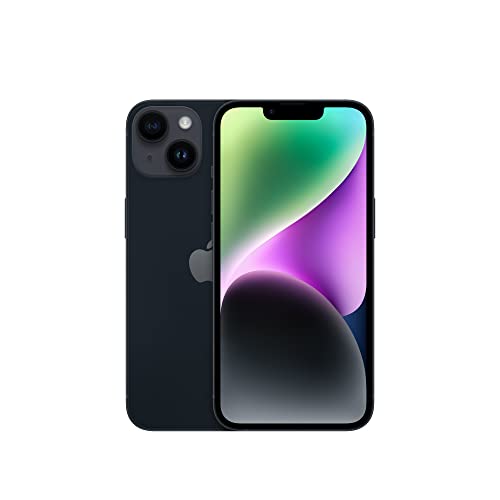
In conclusion, the choice between iPhone and Android for gaming ultimately comes down to personal preferences and gaming priorities.
If you prioritize top-tier performance, exclusive titles, and a seamless user experience, an iPhone might be the ideal choice for you.
On the other hand, if customization, diverse game selection, and community engagement are key factors for your gaming experience, an Android device could better suit your needs.
Whichever platform you choose, both iPhones and Android phones offer a wealth of gaming opportunities, ensuring that mobile gamers have a thrilling experience no matter their preference.
So, grab your device, download your favorite game, and dive into the exciting world of mobile gaming!
Performance Comparison
When comparing the performance between iPhone and Android for gaming, it’s essential to delve deeper into the specific aspects that contribute to the overall gaming experience.
iPhones are known for their high-end hardware components, including powerful processors and graphics capabilities, which ensure smooth gameplay even with demanding titles.
For instance, the latest iPhone models like the iPhone 13 Pro Max boast advanced A15 Bionic chips that deliver exceptional performance, making them a top choice for gamers seeking cutting-edge technology.
On the other hand, Android devices offer a more diverse range of options with varying performance levels.
While flagship Android smartphones like the Samsung Galaxy S21 Ultra and Google Pixel 6 feature impressive specs, the performance across the Android ecosystem can vary significantly depending on the device’s hardware specifications.
Some mid-range and budget Android phones may struggle to deliver the same level of gaming performance as their higher-priced counterparts, making it crucial for gamers to choose a device that aligns with their gaming requirements.
Game Selection and Exclusive Titles
When it comes to game selection, both iPhone and Android devices boast a plethora of gaming options to cater to diverse preferences.
However, there are distinct differences in the libraries and exclusive titles available on each platform.
iPhones offer a curated library of games, including many exclusive titles that are optimized for iOS devices.
Games like “Monument Valley,” “Sky: Children of the Light,” and “Alto’s Odyssey” have garnered critical acclaim and are only available on the App Store, showcasing the unique gaming experiences that iPhones provide.
Conversely, Android devices feature a wide variety of games, ranging from popular AAA titles to indie gems, with a notable emphasis on free-to-play options.
Recommended to our readers: Click here
Google Play Store hosts a vast collection of games, allowing Android users to explore different genres and gameplay experiences.
Additionally, Android’s open ecosystem enables developers to create unique gaming experiences tailored to the platform’s specifications, leading to a more diverse gaming landscape.
Customization and User Experience

The level of customization and user experience also plays a significant role in shaping the gaming experience on both iPhone and Android devices.
iPhones offer a sleek and seamless ecosystem with limited customization options, providing a streamlined user experience that focuses on simplicity and ease of use.
Apple’s stringent control over app development and design standards contributes to the cohesive and consistent experience across iOS devices, ensuring that gamers can enjoy games without distractions.
In contrast, Android devices offer extensive customization possibilities, allowing users to personalize their gaming experience to suit their preferences.
From customizing home screens and