Celestron Omni XLT 150 vs Orion StarMax 127: A Comparative Exploration
When it comes to exploring the vast expanse of our universe, the tools we use can make all the difference in our observation experience.
Two popular options in the realm of telescopes for amateur astronomers are the Celestron Omni XLT 150 and the Orion StarMax 127.
Each offers its own set of features and benefits that cater to the needs and preferences of stargazers.
In this comparative analysis, we will delve into the intricate details of these telescopes to help you make an informed decision when choosing the ideal instrument for your astronomical adventures.
Key Features of the Celestron Omni XLT 150:

The Celestron Omni XLT 150 boasts a 150mm aperture, which allows for impressive light-gathering capabilities.
Recommended to our readers: Click here
This large aperture enables you to observe faint deep-sky objects such as distant galaxies and nebulae with clarity and detail.
Additionally, the telescope features a sturdy equatorial mount that provides stability during observations, minimizing vibrations for clearer views.
The Celestron Omni XLT 150 is also equipped with high-quality optics that deliver sharp and crisp images, enhancing your viewing experience.
Key Features of the Orion StarMax 127:
In contrast, the Orion StarMax 127 is known for its compact and portable design, making it a great option for astronomers who value portability and convenience.
Despite its smaller size, the StarMax 127 offers a generous 127mm aperture, which still allows for excellent views of celestial objects.
This telescope comes with a tabletop mount, which is ideal for quick setup and easy adjustment, perfect for backyard stargazing sessions or spontaneous outings to dark sky locations.
The StarMax 127 also utilizes Maksutov-Cassegrain optics, known for their ability to provide high-contrast images with minimal chromatic aberration.
Considerations for Beginner Astronomers:
For those new to astronomy, the Celestron Omni XLT 150 may be a better choice due to its larger aperture and user-friendly equatorial mount.
The enhanced light-gathering capabilities of the Omni XLT 150 make it easier to spot and observe faint celestial objects, making it an excellent tool for beginners looking to explore deep space.
On the other hand, the Orion StarMax 127’s compact design and tabletop mount could be appealing to beginners seeking a more portable and hassle-free setup, perfect for those starting out in urban or suburban environments with limited space.
Advanced Observers’ Perspective:
For seasoned astronomers looking to delve deeper into their observations, the Celestron Omni XLT 150 offers superior light-gathering capabilities and optical performance, making it suitable for capturing detailed views of elusive deep-sky targets.
The sturdy equatorial mount of the Omni XLT 150 allows for precise tracking of celestial objects, essential for long-exposure astrophotography and advanced stargazing techniques.
On the other hand, the Orion StarMax 127’s compact size and quick setup make it a convenient choice for seasoned observers seeking a portable option for spontaneous stargazing sessions or travel to
Introduction: A Universe Within Reach
The allure of the night sky has captivated humanity for millennia, inspiring wonder and curiosity about the mysteries that lie beyond our terrestrial confines.
For many astronomy enthusiasts, owning a telescope represents a gateway to unlocking the secrets of the cosmos.
The Celestron Omni XLT 150 and the Orion StarMax 127 stand out as popular choices in the market, offering a blend of quality optics, portability, and performance that cater to both novice and seasoned observers.
The Enchantment of Stargazing
Stargazing has an almost magical appeal that can transport individuals out of their daily lives and into a realm of infinite possibilities.
Recommended to our readers: Click here
The beauty of a star-filled sky can evoke a sense of awe and humility, prompting contemplation on our place in the vastness of the universe.
The act of observing celestial objects through a telescope adds a layer of intimacy to this experience, allowing us to glimpse distant galaxies, nebulae, and planets in stunning detail.
Unveiling the Cosmic Mysteries
A telescope acts as a portal to the unknown, enabling us to explore cosmic phenomena that would otherwise remain hidden to the naked eye.
By peering through the lens of a high-quality instrument like the Celestron Omni XLT 150 or the Orion StarMax 127, astronomers can witness the intricate patterns of Jupiter’s cloud bands, the ethereal glow of the Orion Nebula, or the delicate rings of Saturn.
Each observation offers a glimpse into the complexities of our universe, sparking curiosity and driving a thirst for knowledge.
Recommended to our readers: Click here
Choosing the Right Telescope
Selecting the perfect telescope involves considering multiple factors, such as aperture size, focal length, portability, and ease of use.
The Celestron Omni XLT 150 boasts a generous 150mm aperture, ideal for capturing crisp views of celestial objects, while the Orion StarMax 127’s compact design makes it a versatile option for those on the go.
Both telescopes strike a balance between performance and convenience, making them well-suited for a wide range of users, from beginners to experienced stargazers.
Enhancing Observational Skills
Owning a telescope not only opens up a world of celestial wonders but also provides an opportunity to hone observational skills and deepen one’s understanding of astronomy.
By tracking the movement of planets, identifying constellations, and documenting changes in celestial objects over time, enthusiasts can develop a deeper connection with the night sky and contribute to scientific research through citizen science projects.
Ultimately, the act of observing the cosmos through a telescope is as much about personal growth and discovery as it is about exploring the mysteries of the universe.
Optical Performance: A Close Look at Clarity and Magnification
At the heart of any telescope lies its optics, which determine the clarity and magnification of celestial objects.
Recommended to our readers: Click here
The Celestron Omni XLT 150 boasts a 150mm aperture with a focal length of 750mm, providing sharp views of planetary details and deep-sky objects.
In comparison, the Orion StarMax 127 features a more compact design with a 127mm aperture and a focal length of 1540mm, offering increased magnification for lunar and planetary observation.
Both telescopes utilize high-quality optics and coatings to enhance light transmission and reduce aberrations, ensuring crisp views of celestial wonders.
Lens Coatings and Light Transmission:
One crucial aspect of optical performance in telescopes is the presence of specialized coatings on the lenses.
These coatings serve multiple purposes: they help reduce glare and reflections, increase contrast, and most importantly, enhance light transmission.
The Celestron Omni XLT 150 and Orion StarMax 127 both feature multi-coated optics that effectively minimize the loss of light through internal reflections and scatter.
This means that more light reaches the eyepiece, resulting in brighter and clearer images of celestial objects.
Additionally, the coatings help improve color accuracy and sharpness, allowing astronomers to discern intricate details on planets, moons, and galaxies.
Chromatic and Spherical Aberrations:
When discussing the clarity of astronomical observations, it’s essential to consider aberrations that may affect image quality.
Chromatic aberration, caused by the dispersion of light into different colors, can lead to color fringing around objects.
Spherical aberration, on the other hand, results in a lack of focus and blurriness towards the edges of the field of view.
Both the Celestron Omni XLT 150 and Orion StarMax 127 are designed with corrective measures to minimize these optical flaws.
By incorporating high-quality lens elements and precise optical alignment, these telescopes reduce aberrations and provide astronomers with crisp, well-defined views across the entire field of view.
Eyepiece Selection and Magnification:
In addition to the telescope’s optical specifications, the choice of eyepieces plays a significant role in determining magnification levels and observing capabilities.
Astronomers can enhance the magnification power of the Celestron Omni XLT 150 and Orion StarMax 127 by using different eyepieces with varying focal lengths.
The telescopes’ focal ratios, focal lengths, and eyepiece focal lengths all contribute to the final magnification achieved during observations.
Experimenting with different eyepiece combinations allows astronomers to tailor their viewing experience based on the celestial objects they wish to study – from detailed views of planets to expansive vistas of star clusters and nebulae.
Portability and Ease of Use: Taking Your Observations on the Go
For astronomers who value portability and ease of setup, the Orion StarMax 127 shines with its compact Maksutov-Cassegrain design.
The tube assembly is lightweight and easy to transport, making it an ideal companion for stargazing outings in remote locations.
On the other hand, the Celestron Omni XLT 150, while slightly bulkier due to its larger aperture, offers a stable equatorial mount that facilitates tracking celestial objects with precision.
Consider your observing preferences and mobility requirements to determine which telescope best suits your lifestyle.
Benefits of Portability and Ease of Use

When it comes to portability and ease of use, the Orion StarMax 127 truly stands out in the realm of telescopes.
Recommended to our readers: Click here
Its compact Maksutov-Cassegrain design not only makes it lightweight and easy to transport but also ensures quick and hassle-free setup, allowing astronomers to focus more on observing rather than assembling equipment.
Whether you’re planning a spontaneous stargazing trip or embarking on a remote stargazing expedition, the convenience offered by the StarMax 127 can’t be overstated.
Versatility in Observing Locations
One of the key advantages of opting for a portable telescope like the Orion StarMax 127 is the flexibility it provides in choosing observing locations.
From your backyard to a secluded campsite in the wilderness, this telescope offers the freedom to explore various stargazing spots without being hindered by complex assembly processes or heavy gear.
With the StarMax 127, you can effortlessly take your observations to different environments and experience the wonders of the night sky in diverse settings.
Enhanced Stability and Tracking Capabilities
In contrast, the Celestron Omni XLT 150 presents a compelling option for astronomers who prioritize stability and tracking precision in their observing sessions.
Despite being slightly bulkier than the StarMax 127, the Omni XLT 150’s stable equatorial mount ensures smooth tracking of celestial objects, allowing for prolonged and steady viewing sessions.
This feature is particularly advantageous for capturing detailed images of planets, stars, or deep-sky objects without being affected by vibrations or movement disturbances.
Tailoring Your Telescope Choice to Fit Your Lifestyle
When deciding between the Orion StarMax 127 and the Celestron Omni XLT 150, it’s crucial to consider how your observing preferences and mobility requirements align with the features offered by each telescope.
If you prioritize portability and rapid setup for on-the-go stargazing adventures, the StarMax 127 might be the perfect match for your lifestyle.
On the other hand, if you value stability and tracking accuracy for in-depth observations and astrophotography, the Omni XLT 150 could better suit your needs.
By evaluating these factors, you can make an informed choice that enhances your stargazing experiences and aligns with your practical considerations.
Accessories and Add-Ons: Enhancing Your Astronomical Experience
To enhance your stargazing experience, both the Celestron Omni XLT 150 and the Orion StarMax 127 are compatible with a range of accessories and add-ons.
From eyepieces and filters to motorized mounts and astrophotography adapters, you can customize your telescope to suit your specific interests and goals.
Whether you aspire to capture stunning images of distant galaxies or simply enjoy observing the intricate details of the moon’s craters, investing in the right accessories can elevate your astronomical pursuits to new heights.
Recommended to our readers: Click here
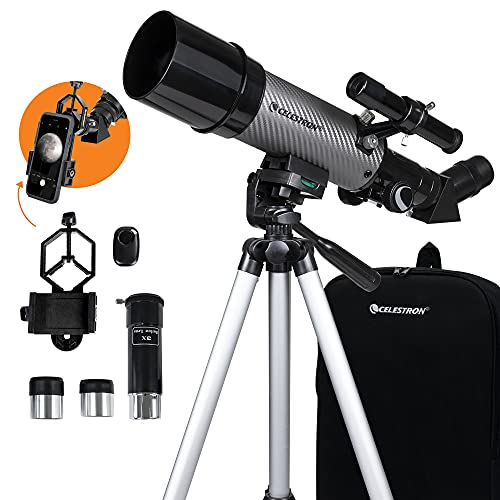
Eyepieces and Filters:
When it comes to enhancing your stargazing experience, selecting the right eyepieces and filters can make a significant difference in what you observe through your telescope.
Eyepieces come in various focal lengths and designs, allowing you to adjust the magnification and field of view to suit different celestial objects.
Filters, on the other hand, can improve contrast, reduce glare, and enhance specific details such as planetary features or nebulae structures.
For example, a high-quality wide-angle eyepiece can provide expansive views of star clusters and nebulae, while a specialized filter like a moon filter can help reduce the moon’s brightness for comfortable viewing without sacrificing detail.
Motorized Mounts and Tracking Systems:
Investing in a motorized mount or a tracking system can revolutionize your stargazing sessions by allowing your telescope to automatically follow celestial objects as they move across the night sky.
This feature is particularly beneficial for observing planets, stars, or deep-sky objects for extended periods without manually readjusting the telescope’s position.
Consider a computerized GoTo mount that can pinpoint and track thousands of celestial objects with precision, making it easier for beginners to navigate and explore the cosmos effectively.
Astrophotography Adapters and Accessories:
For those interested in capturing the beauty of the night sky through astrophotography, there are a plethora of adapters and accessories available to connect your telescope to a camera for stunning images.
T-mount adapters, focal reducers, and autoguiders are just a few examples of tools that can enhance your astrophotography results.
By integrating these accessories into your setup, you can delve into the world of astrophotography and immortalize breathtaking cosmic scenes, from mesmerizing star trails to intricate planetary details, with your telescope.
Additional Tips for Customization:
When customizing your telescope with accessories, always consider factors such as compatibility, quality, and your specific observing goals.
Research different accessory options, seek recommendations from experienced astronomers, and experiment with various combinations to find the setup that best suits your needs and preferences.
Remember that accessories are not only tools for enhancing performance but also gateways to unlocking new realms of discovery and enjoyment in the realm of astronomy.
Whether you’re a seasoned observer or a beginner exploring the cosmos for the first time, the right accessories can truly amplify your astronomical experiences and deepen your connection to the universe.
Price Point and Value: Balancing Budget with Performance
When considering the purchase of a telescope, budgetary constraints often play a significant role in decision-making.
The Celestron Omni XLT 150 typically falls within a mid-range price bracket, offering a balance of optical performance and affordability for amateur astronomers.
In contrast, the Orion StarMax 127 may be positioned at a slightly higher price point due to its specialized design and compact form factor.
Evaluate the features and benefits of each telescope in relation to your budget to determine which model provides the best value for your observing needs.
Factors Influencing Price Point
Several factors contribute to the pricing of telescopes, such as the quality of materials used, the complexity of the optical system, and additional features like computerized tracking capabilities or specialized coatings on lenses.
The Celestron Omni XLT 150, at its mid-range price point, strikes a balance between affordability and performance by offering a larger aperture and good quality optics without too many advanced features that could drive up the cost.
On the other hand, the Orion StarMax 127 may command a slightly higher price due to its specialized design, which may include premium components, unique optical configurations, or innovative technology.
For example, the StarMax 127’s compact form factor and Mak-Cass design contribute to its higher cost compared to more conventional telescope types.
Value Proposition Analysis
In assessing the value proposition of each telescope, it’s essential to weigh the features and benefits against their respective price points.
For instance, the value of the Celestron Omni XLT 150 lies in its larger aperture, which allows for better light-gathering capabilities and potentially clearer views of celestial objects.
In comparison, the Orion StarMax 127’s higher cost may be justified by its compact size, making it ideal for those with limited space or looking for a portable option without compromising on performance.
When considering your observing needs and budget, consider the long-term value of the telescope.
Investing in a slightly pricier model like the Orion StarMax 127 could offer added benefits in terms of durability, advanced features, or superior image quality, which may enhance your stargazing experience over time.
Comparison of Other Telescopes in the Price Range
It’s worth exploring other telescopes within similar price brackets to make an informed decision.
For instance, the Sky-Watcher Evostar 72ED might offer comparable performance to the Celestron Omni XLT 150 with its doublet apochromatic refractor design and may appeal to users prioritizing color correction and versatility.
Conversely, the Meade ETX-80 might be a budget-friendly alternative to the Orion StarMax 127, providing decent optics and affordability for beginners or those seeking a secondary portable telescope.
By analyzing multiple options within your budget range, you can better assess the trade-offs between price, performance, and features to find the telescope that aligns most closely with your observing preferences.
Conclusion: Navigating the Celestial Landscape
In the vast tapestry of the night sky, the Celestron Omni XLT 150 and the Orion StarMax 127 serve as windows to the wonders of the universe, each offering a unique perspective tailored to the preferences of astronomers.
Whether you prioritize optical performance, portability, or versatility in accessories, these telescopes present compelling options for embarking on your celestial journey.
By weighing the factors of optical performance, portability, accessories, and price, you can confidently select the telescope that aligns with your stargazing aspirations.

Remember, the sky’s the limit when you have the right tools to explore its boundless beauty.

Choosing the Right Telescope for Your Stargazing Adventures
When it comes to selecting the ideal telescope for your stargazing adventures, it’s essential to consider a few key factors that will enhance your viewing experience.
Here, we delve deeper into the critical aspects to keep in mind:
Optical Performance: Unveiling the Cosmic Mysteries
The Celestron Omni XLT 150 boasts impressive optical capabilities, providing crisp and clear views of celestial objects such as planets, nebulae, and galaxies.
With its superior light-gathering ability and high-quality optics, this telescope offers exceptional image clarity, allowing you to explore the intricate details of the night sky.
On the other hand, the Orion StarMax 127 is renowned for its compact design and excellent contrast, making it a suitable choice for planetary observations and lunar photography.
Consider your preferences for observing specific celestial phenomena when evaluating optical performance.
Portability and Ease of Use: Observing On-the-Go
Portability is a crucial factor for astronomers who enjoy stargazing from various locations.
The Orion StarMax 127 excels in this aspect due to its compact size and lightweight construction, making it an excellent choice for observing sessions in remote areas or during travel.
Conversely, the Celestron Omni XLT 150, while providing exceptional optical performance, may require a more substantial setup and transportation logistics due to its larger size.
Consider your lifestyle and preferred stargazing locations to determine which telescope aligns best with your portability needs.
Accessory Versatility: Enhancing Your Observing Experience
Both the Celestron Omni XLT 150 and the Orion StarMax 127 offer compatibility with a range of accessories to enhance your observing experience.
From specialized eyepieces and filters to motorized mounts and astrophotography equipment, these telescopes provide ample opportunities for customization based on your interests and goals as an astronomer.
Consider the versatility of accessories available for each telescope when planning to expand your stargazing endeavors.
Price and Value: Balancing Your Budget
When investing in a telescope, it’s essential to strike a balance between price and performance.
While the Celestron Omni XLT 150 may come with a higher price tag due to its advanced optics and features, the Orion StarMax 127 offers a more budget-friendly option without compromising on quality.
Consider your budget constraints and long-term goals in astronomy to select a telescope that offers the best value for your investment.
Remember, the choice of telescope ultimately