Celestron Omni XLT 150 vs Orion StarMax 127: A Comparative Analysis of Two Popular Telescopes
In the enchanting realm of amateur astronomy, choosing the right telescope can greatly impact your stargazing experience.
Among the plethora of options available, two standout models often find themselves at the center of comparison – the Celestron Omni XLT 150 and the Orion StarMax 127.
Both renowned for their quality and performance, these telescopes cater to astronomers with a penchant for celestial exploration.
In this feature, we delve into the nuances of these telescopes to help you make an informed decision in selecting the perfect companion for your astronomical adventures.
Importance of Choosing the Right Telescope
Selecting a telescope is a pivotal decision for any amateur astronomer as it sets the foundation for your celestial journey.
Recommended to our readers: Click here
The right telescope can enhance your astronomical experiences by providing clear and breathtaking views of the cosmos.
On the other hand, an ill-suited telescope might lead to frustration and disappointment, hindering your exploration of the night sky.
Recommended to our readers: Click here
Understanding the Unique Features of Celestron Omni XLT 150 and Orion StarMax 127
The Celestron Omni XLT 150 boasts a 150mm (6-inch) aperture, allowing for impressive light-gathering capabilities that enable you to observe faint deep-sky objects with clarity.
Recommended to our readers: Click here
Its sturdy equatorial mount provides stability for tracking celestial objects smoothly, making it a reliable choice for astrophotography enthusiasts.
In contrast, the Orion StarMax 127 is a compact and portable Maksutov-Cassegrain telescope known for its high-resolution views of the Moon and planets.
With a 127mm aperture and a long focal length, this telescope excels in delivering sharp and detailed images of lunar craters, planetary features, and double stars.
Performance Comparison: Celestron Omni XLT 150 vs. Orion StarMax 127
When it comes to deep-sky observations, the Celestron Omni XLT 150 outshines the Orion StarMax 127 due to its larger aperture, which allows for brighter views of nebulae, galaxies, and star clusters.
However, the compact design and portability of the Orion StarMax 127 make it a preferred choice for observers who prioritize planetary and lunar observations.
Recommended to our readers: Click here
Considerations for Selecting the Perfect Telescope
Your choice between the Celestron Omni XLT 150 and the Orion StarMax 127 should be guided by your observing preferences and intended use of the telescope.
Consider factors such as portability, ease of setup, desired targets for observation, and whether you aim to delve into astrophotography.
By aligning your telescope choice with your specific needs and preferences, you can maximize your enjoyment and success in exploring the wonders of the universe.
Unveiling the Celestron Omni XLT 150
The Celestron Omni XLT 150, a product of Celestron’s legacy in crafting exceptional optical instruments, stands as a paragon of precision and clarity in the world of telescopes.
Boasting a formidable 6-inch aperture and a focal length of 750mm, this telescope delivers crisp and detailed views of celestial wonders.
Its sturdy equatorial mount enables smooth tracking of celestial objects, making it a favorite among astrophotography enthusiasts looking to capture stunning deep-sky images.
The Celestron Omni XLT 150’s combination of superior optics and user-friendly design makes it a compelling choice for both seasoned astronomers and newcomers stepping into the realm of stargazing.

Precision Optics for Stunning Views
The Celestron Omni XLT 150 is equipped with high-quality optics that ensure exceptional clarity and precision in observing celestial objects.
Its 6-inch aperture gathers ample light, allowing users to see deep-sky objects such as galaxies, nebulae, and star clusters with remarkable detail.
Whether you’re observing the intricate bands of Jupiter, the glowing core of the Orion Nebula, or the intricate craters of the Moon, this telescope delivers breathtaking views that enrich the stargazing experience.
Equatorial Mount for Accurate Tracking
One key feature that sets the Celestron Omni XLT 150 apart is its sturdy equatorial mount.
This type of mount is designed to align with the Earth’s axis, enabling smooth and precise tracking of celestial objects as they appear to move across the night sky.
This tracking capability is essential for astrophotography, allowing photographers to capture long-exposure images of galaxies, star clusters, and nebulae without blurring or trailing.
With the Celestron Omni XLT 150’s equatorial mount, capturing sharp and detailed deep-sky images becomes a seamless process, even for beginners venturing into astrophotography.
Versatility and Ease of Use
Despite its advanced capabilities, the Celestron Omni XLT 150 remains user-friendly, making it an ideal choice for astronomers of all levels.
Its intuitive design and straightforward controls ensure that both seasoned stargazers and beginners can quickly set up the telescope and start observing the night sky.
Whether you’re exploring the craters of the Moon, tracking the phases of Venus, or searching for distant galaxies, the Celestron Omni XLT 150 offers a versatile and rewarding stargazing experience that can be enjoyed by enthusiasts of all ages.
The Orion StarMax 127: A Compact Powerhouse
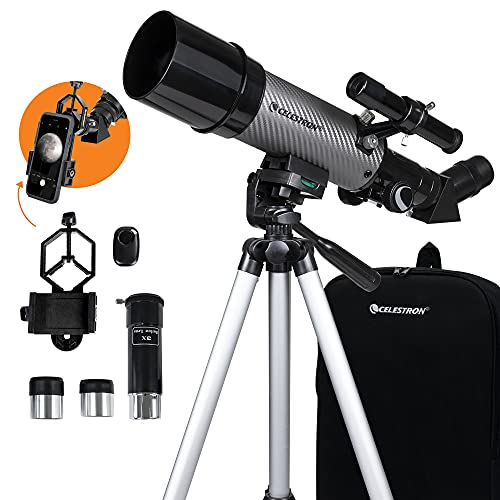
On the other side of the celestial spectrum, we encounter the Orion StarMax 127, a compact Mak-Cass telescope designed for portability without compromising on performance.
With a generous 5-inch aperture and a focal length of 1540mm, this telescope excels in delivering high-contrast views of lunar craters, planets, and deep-sky objects.
Its compact design and intuitive tabletop mount make it an ideal grab-and-go option for astronomers seeking convenience without compromising on optical capabilities.
The Orion StarMax 127’s ability to reveal intricate details on planetary surfaces and resolve distant celestial objects with clarity make it a versatile and powerful tool for exploration.
Optics and Performance
The Orion StarMax 127’s Mak-Cass optical design stands out for its exceptional ability to gather and focus light efficiently, resulting in sharp and detailed views.
This telescope’s 5-inch aperture lets in ample light, providing users with bright and high-contrast images of various astronomical subjects.

For planetary observations, the StarMax 127 showcases intricate features on Mars, Jupiter, Saturn, and their moons, allowing astronomers to witness detailed surface patterns, cloud bands, and even the Great Red Spot on Jupiter.
Versatility and Adaptability
Beyond planetary observations, the Orion StarMax 127 proves its versatility by offering impressive views of deep-sky objects such as star clusters, nebulae, and galaxies.
Its ability to resolve intricate structures within these celestial bodies makes it a valuable tool for exploring the vast depths of our universe.
Additionally, this telescope’s compact dimensions and tabletop mount make it a flexible companion for stargazing sessions in both urban and remote locations, catering to astronomers who prioritize convenience and ease of transport.
User-Friendly Features
One of the standout qualities of the Orion StarMax 127 is its user-friendly design, which caters to both seasoned astronomers and beginners alike.
The tabletop mount provides stability and ease of operation, allowing users to set up and align the telescope quickly for observing sessions.
Additionally, the telescope’s intuitive controls and smooth focusing mechanism enhance the overall viewing experience, making it accessible to astronomers of all skill levels.
Imaging Capabilities
While primarily designed for visual observation, the Orion StarMax 127 can also be used for basic astrophotography with the right accessories and techniques.
By attaching a smartphone adapter or dedicated camera, users can capture stunning images of the moon’s craters, planetary details, and even some bright deep-sky objects.
While not a dedicated astrophotography telescope, the StarMax 127’s optics can produce impressive results when paired with a suitable camera setup, making it a versatile tool for both visual and imaging purposes.
Optics and Performance
When it comes to optics and performance, both telescopes exhibit commendable qualities that cater to different preferences and observing styles.
The Celestron Omni XLT 150’s larger aperture provides a brighter and more detailed view of faint deep-sky objects, offering a captivating viewing experience for astronomers interested in exploring nebulae, galaxies, and star clusters.
On the other hand, the Orion StarMax 127’s compact design and longer focal length enhance planetary and lunar observations, showcasing sharp details on the surfaces of celestial bodies with impressive contrast and clarity.
Aperture and Optical Design:
The Celestron Omni XLT 150 boasts a generous 6-inch aperture, which allows for capturing more light and thus delivering brighter, clearer images of celestial objects.
This larger aperture enables the telescope to gather more detail from faint deep-sky objects, such as distant galaxies and nebulae, making them more vivid and discernible to the observer.
The optical design of the Celestron Omni XLT 150 ensures minimal distortion and maximizes light transmission, resulting in crisp and well-defined views that immerse astronomers in the wonders of the universe.
Focal Length and Magnification:
In contrast, the Orion StarMax 127 may have a slightly smaller aperture than the Celestron model, but its longer focal length plays a crucial role in enhancing planetary and lunar observations.
The extended focal length of the StarMax 127 allows for higher magnification levels, enabling astronomers to observe the intricate details of planets like Jupiter’s cloud bands or Saturn’s rings with exceptional sharpness and clarity.
This feature makes the Orion StarMax 127 an ideal choice for those interested in detailed views of the moon’s craters or the intricate features of planets within our solar system.
Observing Versatility:
While the Celestron Omni XLT 150 excels in capturing the beauty of deep-sky objects, the Orion StarMax 127’s compact design and portability make it a versatile instrument for both planetary and lunar observations.
Astronomers can easily transport the StarMax 127 to various observing locations, allowing for quick and convenient stargazing sessions under different sky conditions.
Whether one’s passion lies in exploring distant galaxies or observing the intricate features of our neighboring planets, the Orion StarMax 127 offers the flexibility to adapt to various observing preferences and styles.
Mounting and Portability
In terms of mounting and portability, the Celestron Omni XLT 150’s robust equatorial mount offers stability and smooth tracking capabilities, making it an excellent choice for astrophotography and prolonged observation sessions.
However, its bulkier design may pose challenges in terms of transportation and setup, especially for astronomers who prioritize mobility and ease of use.
Conversely, the Orion StarMax 127’s tabletop mount provides convenience and portability, allowing astronomers to set up quickly and start observing without the need for extensive assembly.

While its compact form factor offers flexibility in terms of location and setup, it may lack the tracking precision required for advanced astrophotography applications.
Stability and Tracking Capabilities of the Celestron Omni XLT 150
The equatorial mount of the Celestron Omni XLT 150 is designed to provide stability during observation sessions, ensuring minimal vibrations and allowing for precise tracking of celestial objects.
This feature is particularly beneficial for astrophotography enthusiasts who require steady tracking for capturing clear and detailed images of the night sky.
The smooth tracking capabilities of this mount enhance the overall user experience, enabling astronomers to focus on their observations without disruptions from mount-related issues.
Challenges of Transportation and Setup
Although the robust equatorial mount of the Celestron Omni XLT 150 is advantageous for stability and tracking, its bulkier design can present challenges when it comes to transporting the telescope to various locations and setting it up quickly.
Astronomers who frequently travel to different observing sites or prefer a more lightweight setup may find the size and weight of this telescope to be less ideal for their needs.
In such cases, additional accessories like carrying cases or collapsible mounts may be considered to enhance the portability of the Celestron Omni XLT 150.
Convenience and Portability of the Orion StarMax 127
The tabletop mount of the Orion StarMax 127 offers a convenient and portable solution for astronomers who prioritize ease of use and quick setup.
With this compact mount, users can simply place the telescope on a sturdy surface and start observing celestial objects without the need for complex assembly or adjustments.
This simplicity and portability make the Orion StarMax 127 an attractive option for beginners or casual stargazers who value convenience and accessibility in their viewing experience.
Recommended to our readers: Click here
Tracking Precision for Astrophotography
While the Orion StarMax 127’s tabletop mount provides ease of setup and portability, it may lack the advanced tracking precision required for intricate astrophotography applications.
For photographers seeking to capture detailed images of deep-sky objects or engage in long-exposure photography, the limitations of the tabletop mount in maintaining precise tracking over extended periods may impact the quality of the final images.
In such scenarios, astronomers may need to explore additional accessories or alternative mounting solutions to achieve the desired level of tracking accuracy for astrophotography purposes.
Conclusion: Choosing Your Celestial Companion
In the cosmic dance of astronomy, selecting the right telescope is akin to choosing a trusted companion for your celestial journey.
The Celestron Omni XLT 150 and the Orion StarMax 127 each present a unique set of features and capabilities tailored to different astronomical pursuits.
Whether you are drawn to the immersive views of deep-sky objects offered by the Celestron Omni XLT 150 or the detailed observations of planets facilitated by the Orion StarMax 127, the decision ultimately hinges on your individual preferences and observing objectives.
Whichever telescope you choose, rest assured that both models represent the culmination of precision engineering and a passion for unveiling the mysteries of the cosmos.
As you embark on your astronomical odyssey, remember that the true essence of stargazing lies not only in the tools you wield but in the awe and wonder that the night sky inspires.

Whether you find yourself mesmerized by the rings of Saturn through the Celestron Omni XLT 150 or captivated by the intricate features of Mars with the Orion StarMax 127, the beauty of the universe awaits your gaze, inviting you to explore, discover, and marvel at the boundless expanse beyond our world.
The Versatility of the Celestron Omni XLT 150
The Celestron Omni XLT 150 is a versatile telescope that caters to a wide range of astronomical interests.
Its 150mm aperture provides ample light-gathering capability, making it ideal for observing deep-sky objects such as galaxies, nebulae, and star clusters.
With a focal length of 750mm and a focal ratio of f/5, this telescope offers a wide field of view, allowing you to take in expansive vistas of celestial wonders.
One of the standout features of the Celestron Omni XLT 150 is its sturdy equatorial mount, which enables smooth and precise tracking of celestial objects as they glide across the night sky.
Whether you are a seasoned astronomer or a beginner exploring the cosmos for the first time, this telescope offers a user-friendly experience that combines performance with ease of use.
Unveiling Planetary Mysteries with the Orion StarMax 127
Recommended to our readers: Click here
On the other hand, the Orion StarMax 127 is renowned for its exceptional planetary performance.
Equipped with a 127mm aperture and a focal length of 1540mm, this telescope excels at delivering high-resolution views of planets such as Jupiter, Saturn, Mars, and Venus.
Its Maksutov-Cassegrain optical design minimizes chromatic aberration and provides crisp, detailed images of planetary features, including cloud bands, surface textures, and polar ice caps.
The Orion StarMax 127 is a compact and portable telescope, making it an ideal choice for stargazers who value convenience without compromising on optical quality.
Whether you are observing the intricate cloud patterns of Jupiter or the subtle hues of Mars’ landscape, this telescope offers a glimpse into the intricate beauty of our neighboring celestial bodies.
The Art of Observing: Finding Your Celestial Muse
Ultimately, the choice between the Celestron Omni XLT 150 and the Orion StarMax 127 boils down to your personal preferences as an observer.
Are you captivated by the vastness of the cosmos, eager to explore the depths of space with a wide-field telescope like the Celestron Omni XLT 150?
Or do you find yourself drawn to the intricate details and striking visuals of planets, making the Orion StarMax 127 the perfect celestial companion for your astronomical pursuits?
Whichever telescope you choose, remember that each viewing experience is a unique journey of discovery, fueled by your curiosity and sense of wonder toward the universe