Exploring the Best: Celestron NexStar Evolution 6 vs Orion SkyScanner 100mm
Design and Build Quality
When it comes to design and build quality, the Celestron NexStar Evolution 6 truly stands out with its sleek and futuristic design.
It features a sturdy and well-built construction that not only looks professional but also ensures durability and stability during observations.
The telescope’s tripod is robust and steady, providing a solid foundation for celestial viewing without any wobbling or shaking.
The Orion SkyScanner 100mm, on the other hand, boasts a more traditional design that prioritizes simplicity and ease of use.
Its compact and lightweight frame makes it highly portable, perfect for stargazing on the go.
While the build quality is commendable for its price range, it may not be as rugged as the NexStar Evolution 6.
In terms of design, the NexStar Evolution 6 incorporates advanced features like built-in Wi-Fi and compatibility with Celestron’s SkyPortal app, allowing for seamless control and navigation of the telescope through a smartphone or tablet.
On the other hand, the SkyScanner 100mm focuses on simplicity, with manual controls that are straightforward and user-friendly, making it an ideal choice for beginners and amateur astronomers looking for a hassle-free experience.
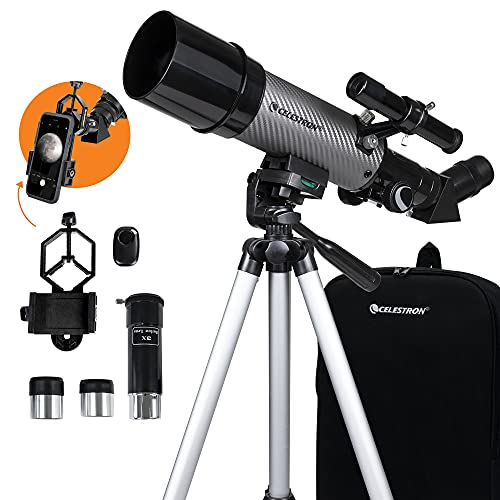
Introduction
Astronomy enthusiasts and stargazers alike constantly seek the perfect telescope to fulfill their celestial exploration dreams.
Among the myriad choices available in the market, two stand out: the Celestron NexStar Evolution 6 and the Orion SkyScanner 100mm.
Both these instruments promise exquisite views of the night sky, but like all things in life, they each come with their unique strengths and weaknesses.
Let’s embark on a journey to uncover which one shines the brightest in the cosmic realm.
Exploring the Celestron NexStar Evolution 6
The Celestron NexStar Evolution 6 is a highly sophisticated telescope known for its cutting-edge technology and ease of use.
This telescope features integrated WiFi connectivity, allowing users to control it remotely using a smartphone or tablet.
This modern convenience makes stargazing more accessible and enjoyable, especially for those who are new to astronomy.
One of the standout features of the NexStar Evolution 6 is its Schmidt-Cassegrain optical design, which combines a spherical mirror and a corrector lens to deliver sharp and clear views of celestial objects.
Recommended to our readers: Click here
This design minimizes chromatic aberrations, providing high contrast images with excellent resolution.
Whether observing planets, star clusters, or distant galaxies, users can expect stunning details and vibrant colors through this telescope.
Recommended to our readers: Click here
Delving into the Orion SkyScanner 100mm
On the other hand, the Orion SkyScanner 100mm offers a more budget-friendly option for amateur astronomers seeking a reliable and portable telescope.
Despite its affordability, this tabletop reflector telescope provides impressive views of the moon, planets, and deep-sky objects.
Equipped with a 100mm parabolic primary mirror, the SkyScanner delivers crisp and bright images of celestial targets.
Its compact size and lightweight design make it a convenient grab-and-go option for spontaneous stargazing sessions.
Additionally, this telescope comes with a sturdy tabletop mount that enhances stability while observing the night sky.
Comparing Performance and Versatility
When comparing the Celestron NexStar Evolution 6 and the Orion SkyScanner 100mm, it is essential to consider factors such as portability, magnification capabilities, and overall performance.
The NexStar Evolution 6 excels in providing advanced features and technology for seasoned astronomers who prioritize convenience and precision.
In contrast, the SkyScanner 100mm appeals to beginners or hobbyists looking for an affordable entry point into astronomy without compromising on quality.
Ultimately, the choice between these two telescopes depends on individual preferences and budget constraints.
Whether opting for the high-tech sophistication of the NexStar Evolution 6 or the practical simplicity of the SkyScanner 100mm, both telescopes offer unique opportunities to explore the wonders of the universe from the comfort of your backyard.
Design and Portability
When it comes to the design and portability of telescopes, the Celestron NexStar Evolution 6 and Orion SkyScanner 100mm offer distinctive experiences.
The NexStar Evolution 6 boasts a sleek and futuristic design with its fully computerized mount and integrated battery, allowing for wire-free stargazing sessions.
On the other hand, the Orion SkyScanner 100mm leans towards a more traditional design with a tabletop dobsonian mount, which makes it a great grab-and-go option for spontaneous observing sessions in remote locations or even your backyard.
Celestron NexStar Evolution 6 Design Features
The Celestron NexStar Evolution 6 is not only visually appealing with its sleek and futuristic design, but it also incorporates several practical features that enhance the overall user experience.
The fully computerized mount is a standout feature, as it allows for precise tracking of celestial objects at the touch of a button.
This feature is particularly beneficial for beginners or amateur astronomers who may struggle with manual adjustments.
Additionally, the integrated battery eliminates the need for cumbersome external power sources, making the telescope truly wireless and portable.
Orion SkyScanner 100mm Portability
While the Orion SkyScanner 100mm may have a more traditional design compared to the NexStar Evolution 6, its portability is a key selling point.
The tabletop dobsonian mount is compact and lightweight, making it easy to transport to different locations for stargazing sessions.
Whether you want to set up in a remote dark-sky site or simply observe from your own backyard, the SkyScanner’s grab-and-go design ensures that you can quickly assemble and start observing without the need for a dedicated observation platform.
This versatility makes it a popular choice among astronomy enthusiasts who value convenience and flexibility in their observing equipment.
Optics and Performance
The heart of any telescope lies in its optics, and here is where these two models truly diverge.
The NexStar Evolution 6 features a 150mm aperture, providing impressive light-gathering capabilities for detailed views of celestial objects.
Its built-in StarSense AutoAlign system automates the alignment process, making it a breeze for beginners and seasoned astronomers alike to navigate the vast night sky.
Conversely, the Orion SkyScanner 100mm, with its 100mm aperture, offers crisp views of the moon and planets, making it an excellent choice for planetary observation and lunar viewing.
Optics: The Key to a Telescope’s Performance
The optics of a telescope are crucial in determining its performance and capabilities.
The NexStar Evolution 6 boasts a larger 150mm aperture, which allows for greater light-gathering ability compared to the Orion SkyScanner 100mm with its 100mm aperture.
This difference in aperture size translates to the NexStar Evolution 6 being able to gather more light, resulting in clearer and more detailed views of deep-sky objects such as galaxies, nebulae, and star clusters.
In terms of optical design, the NexStar Evolution 6 features high-quality Schmidt-Cassegrain optics, known for their versatility in offering both wide-field views and high magnification capabilities.
On the other hand, the Orion SkyScanner 100mm utilizes a classic Newtonian reflector design, which is popular for its simplicity and ease of use, especially for beginners looking to explore the night sky.
Advanced Features for Simplified Viewing
One standout feature of the NexStar Evolution 6 is its StarSense AutoAlign system, which revolutionizes the alignment process.
By automatically aligning the telescope based on its internal database of celestial objects, users can effortlessly navigate the night sky without the need for manual adjustments.
This feature not only saves time but also enhances the overall observing experience, particularly for those new to astronomy or navigating complex star fields.
Conversely, while the Orion SkyScanner 100mm lacks such advanced automated alignment systems, its straightforward design and ease of setup make it a popular choice among hobbyists who prefer a more hands-on approach to exploring the cosmos.
Recommended to our readers: Click here
Specialized Observation Capabilities
Due to its larger aperture and advanced optics, the NexStar Evolution 6 is well-suited for a wide range of astronomical observations.
From capturing intricate details on the surface of planets like Jupiter and Saturn to revealing faint deep-sky objects such as distant galaxies and nebulae, this telescope excels in providing immersive viewing experiences for both novice and experienced astronomers.
In contrast, the Orion SkyScanner 100mm, with its smaller aperture, is particularly adept at planetary observation and lunar viewing.
Its crisp views of celestial objects within our solar system make it a reliable choice for studying the moon’s craters, observing the phases of Venus, or tracking the ever-changing cloud patterns on Jupiter.
These specialized observation capabilities cater to different interests and preferences within the astronomy community, offering enthusiasts a diverse range of experiences when exploring the wonders of the universe.
Technology and Connectivity
In our modern, tech-driven world, connectivity and technological features play a vital role in enhancing the overall stargazing experience.
The Celestron NexStar Evolution 6 comes equipped with WiFi capabilities, allowing for wireless control via smartphone or tablet using the SkyPortal app.
This seamless integration of technology enables users to track celestial objects effortlessly and access a vast database of celestial bodies at their fingertips.
Meanwhile, the Orion SkyScanner 100mm, while lacking WiFi connectivity, offers a more hands-on approach to stargazing, encouraging users to manually navigate the night sky and develop a deeper connection with the cosmos.
Enhancing the Stargazing Experience
Technological advancements have revolutionized the field of astronomy, making stargazing more accessible and engaging than ever before.
The integration of WiFi capabilities in telescopes like the Celestron NexStar Evolution 6 has opened up a whole new world of possibilities for amateur astronomers.
By connecting their telescope to the SkyPortal app on their smartphone or tablet, users can enjoy a user-friendly interface that simplifies the process of exploring the night sky.
This seamless wireless control feature allows for precise tracking of celestial objects, making it easier to locate and observe elusive stars, planets, and galaxies.
Moreover, the inclusion of a vast database of celestial bodies in the SkyPortal app further enriches the stargazing experience.
Users can simply select an object of interest from the database, and the telescope will automatically slew to the target, eliminating the need for manual adjustments.
Whether observing a distant galaxy or a nearby planet, the convenience of having a comprehensive celestial database at their fingertips enhances users’ ability to explore the wonders of the universe with ease.
Hands-On Engagement with the Cosmos
On the other hand, telescopes like the Orion SkyScanner 100mm offer a more traditional and hands-on approach to stargazing.

While lacking WiFi connectivity and advanced technological features, the Orion SkyScanner encourages users to develop fundamental astronomy skills by manually navigating the night sky.
This tactile experience allows stargazers to hone their observational abilities, learn how to read star charts, and appreciate the art of celestial navigation.
By manually adjusting the telescope’s position and scanning the sky for interesting targets, users can cultivate a deeper connection with the cosmos.
The process of locating and identifying celestial objects using basic star-hopping techniques not only enhances observational skills but also fosters a sense of wonder and discovery.

For enthusiasts seeking a more immersive and intimate stargazing experience, telescopes like the Orion SkyScanner provide a rewarding journey of exploration and learning in the vast expanse of the night sky.
Accessories and Versatility
When it comes to accessories and versatility, both the Celestron NexStar Evolution 6 and Orion SkyScanner 100mm have their own sets of advantages.
Recommended to our readers: Click here
The NexStar Evolution 6 comes with a sturdy tripod and a red dot finder scope, enhancing its ease of use and stability during observations.
Additionally, its compatibility with various Celestron accessories expands its functionality, allowing users to customize their stargazing experience.
On the other hand, the Orion SkyScanner 100mm, though more compact, offers a wide-field view that is ideal for deep-sky observation, capturing stunning views of galaxies, nebulae, and star clusters with ease.
Celestron NexStar Evolution 6 Accessories
The Celestron NexStar Evolution 6 not only comes with a sturdy tripod and a red dot finder scope but also boasts a range of additional accessories that can enhance the overall stargazing experience.

For instance, users can opt to add a smartphone adapter to capture and share images of celestial objects they observe through the telescope.
Another popular add-on is a solar filter, which enables safe solar viewing.
The availability of accessories like eyepieces, filters, and GPS modules further increases the telescope’s versatility and functionality.
Customization Options
One of the key advantages of the Celestron NexStar Evolution 6 is its compatibility with a wide array of Celestron accessories.
This compatibility allows users to tailor their telescope setup to suit their specific needs and preferences.
For example, by adding a focal reducer, users can achieve a wider field of view for observing larger celestial objects such as star clusters or the moon.
Alternatively, attaching a Barlow lens can increase magnification for detailed views of planets and lunar features.
This flexibility in customization empowers users to personalize their stargazing sessions according to their interests and skill levels.
Versatility in Observations
Recommended to our readers: Click here
The Celestron NexStar Evolution 6’s versatility extends beyond its compatibility with accessories to its performance in various observational scenarios.
Whether users are interested in planetary viewing, deep-sky exploration, or lunar observations, this telescope offers impressive adaptability.
Its computerized tracking and GoTo features make it easy to locate and track celestial objects, while its aperture size ensures clear and detailed views of both nearby planets and distant galaxies.
Beginners and experienced astronomers alike can appreciate the flexibility and precision that the NexStar Evolution 6 provides for a wide range of stargazing pursuits.
Conclusion
In the vast expanse of the night sky, choosing the right telescope can make all the difference in unlocking the beauty and mysteries of the cosmos.
Whether you opt for the advanced technology and light-gathering prowess of the Celestron NexStar Evolution 6 or the simplicity and portability of the Orion SkyScanner 100mm, both telescopes hold the promise of transporting you to distant realms beyond our Earthly bounds.
So, whether you are a seasoned astronomer chasing elusive deep-sky objects or a curious novice marveling at the beauty of the moon, remember that the universe is waiting for you to explore it, one star at a time.
Importance of Choosing the Right Telescope

Selecting the right telescope is paramount in enhancing your stargazing experience.
The vast expanse of the night sky is filled with wonders and mysteries waiting to be discovered, and having the appropriate equipment can significantly impact your ability to observe celestial objects with clarity and detail.
Advanced Technology of the Celestron NexStar Evolution 6
The Celestron NexStar Evolution 6 stands out for its cutting-edge technology, offering advanced features such as computerized tracking systems and app connectivity that allow users to easily locate and track celestial objects.
With its impressive light-gathering ability, this telescope ensures crystal-clear views of planets, galaxies, and nebulae, making it a popular choice among experienced astronomers looking to delve deep into the cosmos.
Portability and Ease of Use with the Orion SkyScanner 100mm
In contrast, the Orion SkyScanner 100mm is celebrated for its portability and user-friendly design.
Ideal for beginners and casual stargazers, this telescope is compact and easy to set up, making it a great choice for outdoor excursions or spontaneous observation sessions.
Despite its simplicity, the Orion SkyScanner delivers impressive views of the moon, planets, and star clusters, captivating users with its clear and detailed images of celestial objects.
Embracing the Cosmic Exploration Journey
Regardless of the telescope you choose, embarking on the journey of cosmic exploration opens up a world of infinite possibilities.
Recommended to our readers: Click here
Whether you are drawn to the challenge of locating distant galaxies or simply enjoy marveling at the moon’s cratered surface, every observation brings you closer to understanding the vastness and beauty of the universe.
So, equip yourself with the right telescope, gaze up at the night sky, and let the cosmos reveal its wonders to you, one star at a time.