Exploring the Depths of the Night Sky: Celestron NexStar 8SE vs Sky-Watcher EvoStar 100ED
Peering up at the night sky has been a fascination of humanity since time immemorial.
The vast expanse of the universe, dotted with stars and celestial wonders, has captivated astronomers and stargazers for centuries.
In the modern age, amateur astronomers and enthusiasts have access to advanced telescopes that bring the beauty of the cosmos closer than ever before.
Two popular options in the realm of telescopes are the Celestron NexStar 8SE and the Sky-Watcher EvoStar 100ED.
These two telescopes boast impressive features and capabilities, each offering a unique perspective on the wonders of the night sky.
Let’s embark on a comparative journey to explore the depths of space with these stellar instruments.
Importance of Observing the Night Sky
The act of looking up at the night sky is not merely a casual pastime but a profound way to connect with the vastness of the universe.
Observing celestial objects can spark curiosity, inspire awe, and instill a sense of wonder about the mysteries of the cosmos.
Astronomers throughout history have relied on telescopes to unravel the secrets of the universe and expand our understanding of the celestial bodies that populate the night sky.
Evolution of Amateur Astronomy
With advancements in technology, amateur astronomy has experienced a renaissance, allowing enthusiasts to delve deeper into the cosmos from the comfort of their own backyard.
Telescopes like the Celestron NexStar 8SE and the Sky-Watcher EvoStar 100ED have democratized access to the tools of professional astronomers, enabling hobbyists to observe distant galaxies, nebulae, planets, and other celestial objects with remarkable clarity.
The Celestron NexStar 8SE: A Window to the Universe
The Celestron NexStar 8SE is a popular choice among amateur astronomers for its combination of performance and user-friendly design.
Featuring an 8-inch aperture and a Schmidt-Cassegrain optical design, this telescope offers impressive light-gathering capabilities, making it ideal for observing deep-sky objects like galaxies and star clusters.
Equipped with Celestron’s proprietary SkyAlign technology, the NexStar 8SE allows users to easily align the telescope with celestial targets for accurate tracking and precise viewing.
The Sky-Watcher EvoStar 100ED: Precision and Versatility
Recommended to our readers: Click here
On the other hand, the Sky-Watcher EvoStar 100ED stands out for its precision optics and versatile performance.
With a 100mm apochromatic refractor lens, this telescope delivers high-contrast views of celestial objects with minimal chromatic aberration.
The dual-speed Crayford focuser enables fine-tuning of focus, allowing observers to capture detailed images of planets, the moon, and other targets with exceptional clarity.
Additionally, the EvoStar 100ED’s compact and portable design makes it a great option for astrophotography enthusiasts who wish to capture stunning images of the night sky.
Conclusion: Embracing the Infinite Cosmos
Both the Celestron NexStar 8SE and the Sky-Watcher EvoStar 100ED offer unique perspectives on exploring the depths of the night sky.
Whether you are drawn to the advanced technology of the NexStar 8SE or
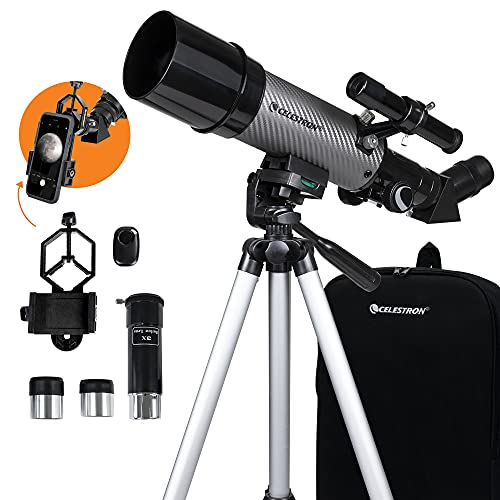
Unveiling the Celestron NexStar 8SE
The Celestron NexStar 8SE is a beloved choice among amateur astronomers for its impressive optics and user-friendly design.
With an 8-inch aperture and a focal length of 2032mm, this Schmidt-Cassegrain telescope is known for its crisp, high-resolution views of celestial objects.
The NexStar 8SE comes equipped with Celestron’s signature StarBright XLT coatings, which enhance light transmission and provide stunningly clear images of planets, nebulae, and galaxies.
Impressive Optics and User-Friendly Design
The Celestron NexStar 8SE’s 8-inch aperture is a significant feature that allows for capturing more light, resulting in brighter and clearer images of celestial objects.
Recommended to our readers: Click here
This larger aperture is particularly advantageous when observing faint objects such as distant galaxies and dim nebulae, making the 8SE a versatile telescope for both planetary and deep-sky observations.
The Schmidt-Cassegrain design further enhances the optical performance by combining a spherical primary mirror and a corrector lens, resulting in a compact and powerful optical system.
Crisp, High-Resolution Views
Thanks to its focal length of 2032mm, the NexStar 8SE delivers high magnification capabilities, enabling astronomers to observe intricate details on planets, lunar craters, and surface features of celestial bodies.
The telescope’s precision optics provide sharp and detailed views of the night sky, making it an ideal instrument for astrophotography and visual observation.
Whether observing Saturn’s rings or the Orion Nebula, users can expect stunningly clear and detailed images.

Celestron’s StarBright XLT Coatings

Celestron’s proprietary StarBright XLT coatings play a crucial role in enhancing light transmission and reducing internal reflections within the telescope’s optics.
This advanced coating technology effectively minimizes light loss and improves contrast, resulting in images with enhanced brightness and clarity.
Whether observing bright planets or faint deep-sky objects, the NexStar 8SE’s StarBright XLT coatings ensure that every detail is rendered with exceptional precision and quality.
Advancing to the Sky-Watcher EvoStar 100ED
On the other side of the celestial spectrum, we have the Sky-Watcher EvoStar 100ED refractor telescope.
This apochromatic refractor features a 100mm doublet lens with extra-low dispersion glass, delivering exceptional color correction and sharpness.
With a focal length of 900mm and a dual-speed Crayford focuser, the EvoStar 100ED is designed for astrophotography enthusiasts seeking precise imaging capabilities and vibrant, true-to-life colors.
Superior Color Correction and Sharpness
The doublet lens of the Sky-Watcher EvoStar 100ED is specifically engineered with extra-low dispersion (ED) glass to effectively minimize chromatic aberration.
This advanced optical design ensures that colors are accurately rendered and that images appear crisp and clear, even at high magnifications.
Astrophotographers can capture intricate details of celestial objects with superior contrast and definition.
Precision Astrophotography Performance
Equipped with a generous focal length of 900mm, the EvoStar 100ED allows for high-resolution imaging of both deep-sky objects and planetary targets.
The extended focal length enables astrophotographers to achieve detailed shots with minimal distortion, making it an ideal choice for capturing stunning close-up views of galaxies, star clusters, and nebulae.
Dual-Speed Crayford Focuser for Fine-Tuning
The inclusion of a dual-speed Crayford focuser further enhances the precision of the EvoStar 100ED telescope.
Astrophotography enthusiasts can make exact adjustments to achieve the perfect focus, ensuring that their images are sharp and well-defined.
The dual-speed functionality enables fine-tuning for both rapid course adjustments and delicate, precise focusing to achieve optimal image quality.
True-to-Life Color Reproduction
Thanks to the exceptional color correction capabilities of the 100mm doublet lens, the EvoStar 100ED delivers vibrant and true-to-life color reproduction in astrophotography.
Whether capturing the rich hues of a distant nebula or the subtle tones of a planetary surface, this refractor telescope excels at presenting astronomical scenes with stunning color accuracy.

Astrophotographers can expect their images to showcase the beauty and nuances of the cosmos in lifelike detail.
Performance Comparison: Clarity, Portability, and Ease of Use
When it comes to optical performance, both the Celestron NexStar 8SE and the Sky-Watcher EvoStar 100ED excel in their respective categories.
The NexStar 8SE’s larger aperture provides superior light-gathering ability, making it ideal for observing faint deep-sky objects with intricate details.
On the other hand, the EvoStar 100ED’s apochromatic lens ensures minimal chromatic aberration, resulting in images free of color fringing and distortion.
In terms of portability and ease of use, the NexStar 8SE’s compact and lightweight design makes it a convenient option for backyard observing or on-the-go stargazing sessions.
Its automated GoTo mount and SkyAlign technology simplify the process of locating and tracking celestial targets, making it a popular choice for beginners and experienced astronomers alike.
Conversely, the EvoStar 100ED’s sturdy equatorial mount provides stability for long-exposure astrophotography, allowing users to capture stunning images of distant galaxies and nebulae with precision.
Optical Performance Breakdown:
The Celestron NexStar 8SE boasts an impressive 8-inch aperture, which translates to a larger light-collecting area compared to the Sky-Watcher EvoStar 100ED’s 100mm aperture.
This larger aperture allows the NexStar 8SE to gather more light, resulting in brighter and clearer images of celestial objects.
With this enhanced light-gathering ability, users can enjoy detailed views of distant galaxies, star clusters, and planetary details with remarkable clarity.
On the other hand, the Sky-Watcher EvoStar 100ED features an apochromatic lens that is specifically designed to minimize chromatic aberration.
This feature is crucial for astrophotography as it ensures that images are sharp and free from color fringing, even when capturing bright objects like the moon or planets.
Astrophotographers will appreciate the EvoStar 100ED’s ability to deliver high-contrast images with accurate color reproduction, enhancing the overall visual experience of the night sky.
Portability and Ease of Use Comparison:
When it comes to portability, the Celestron NexStar 8SE shines with its compact and lightweight design.
Recommended to our readers: Click here
Whether setting up in your backyard or taking it to a remote dark-sky site, the NexStar 8SE is easy to transport and set up, making it a versatile option for astronomers on the move.
Its user-friendly automated GoTo mount and SkyAlign technology make locating celestial objects a breeze, even for those new to telescope operation.
The NexStar 8SE’s intuitive interface and smooth tracking capabilities ensure a hassle-free observing experience, allowing users to spend more time enjoying the night sky.
In contrast, the Sky-Watcher EvoStar 100ED prioritizes stability for precise astrophotography.
Equipped with a sturdy equatorial mount, this telescope provides the necessary support for capturing long-exposure images of deep-sky objects.
Astrophotographers can take advantage of the EvoStar 100ED’s tracking accuracy and stability to capture stunning details of distant galaxies, nebulae, and star clusters.
While not as portable as the NexStar 8SE, the EvoStar 100ED’s robust mount offers the stability required for advanced imaging techniques, making it a top choice for astrophotography enthusiasts.
Capturing the Cosmos: Astrophotography Capabilities
Astrophotography is a popular pursuit among astronomy enthusiasts, allowing them to document and share the beauty of the night sky through stunning images.
Both the Celestron NexStar 8SE and the Sky-Watcher EvoStar 100ED offer impressive astrophotography capabilities, each catering to different preferences and skill levels.
The NexStar 8SE’s compatibility with DSLR cameras and dedicated astrophotography accessories allows users to capture detailed photographs of planets, star clusters, and other celestial objects with ease.
Its precise tracking and autoguiding capabilities make it a reliable companion for long-exposure photography, producing breathtaking images of the cosmos with minimal effort.
On the other hand, the EvoStar 100ED’s apochromatic lens and Crayford focuser are well-suited for capturing wide-field astrophotography shots, showcasing expansive vistas of starry skies and deep-sky wonders.
Whether photographing colorful nebulae or intricate lunar landscapes, the EvoStar 100ED provides astrophotographers with the tools to create stunning images that truly reflect the beauty of the universe.
Expanding on Astrophotography Capabilities
Recommended to our readers: Click here

Astrophotography enthusiasts are constantly seeking to push the boundaries of what is possible in capturing the cosmos through their lenses.
Both the Celestron NexStar 8SE and the Sky-Watcher EvoStar 100ED stand out for their unique capabilities tailored to different aspects of astrophotography.
NexStar 8SE: Unleashing the Power of DSLR Cameras
The NexStar 8SE is a popular choice among astrophotographers for its seamless integration with DSLR cameras.
By attaching a DSLR to the telescope, users can easily capture detailed images of planets, star clusters, and other celestial objects.
This compatibility allows for versatility in capturing both wide-field shots and close-up images of celestial bodies.
With the right astrophotography accessories, such as T-adapters and focal reducers, users can enhance their imaging experience and achieve stunning results.
Tracking Precision and Autoguiding Excellence
One of the standout features of the NexStar 8SE is its precise tracking capabilities, essential for capturing smooth, sharp images during long-exposure photography sessions.
The telescope’s autoguiding functionality ensures that the camera remains perfectly aligned with the target object, eliminating any blurring or trailing in the final image.
This level of precision is crucial for imaging faint deep-sky objects or intricate planetary details, where even the slightest deviation can impact the quality of the photograph.
Recommended to our readers: Click here
EvoStar 100ED: Mastering Wide-Field Astrophotography
On the other end of the spectrum, the EvoStar 100ED excels in capturing wide-field astrophotography shots that showcase the grandeur of the night sky.
Equipped with an apochromatic lens, this telescope delivers crisp, color-accurate images with minimal chromatic aberration, ideal for capturing the vibrant hues of nebulae and galaxies.
The Crayford focuser on the EvoStar 100ED allows for precise focusing adjustments, crucial for achieving optimal image sharpness in wide-field compositions.
Beyond the Stars: Pushing the Boundaries of Astrophotography
Whether astrophotographers are aiming their cameras at distant galaxies, intricate lunar landscapes, or the ethereal beauty of nebulae, both the NexStar 8SE and EvoStar 100ED offer a gateway to capturing the mysteries of the universe.
With these telescopes as their tools, photographers can explore new frontiers in astrophotography, pushing the boundaries of
Conclusion: Embracing the Cosmos with Celestron and Sky-Watcher
In conclusion, the Celestron NexStar 8SE and the Sky-Watcher EvoStar 100ED stand as remarkable contenders in the realm of amateur astronomy, each offering unique strengths and capabilities for exploring the depths of space.
Whether seeking detailed views of distant galaxies or capturing stunning astrophotography images, these telescopes provide enthusiasts with the tools to connect with the cosmos in profound and meaningful ways.
Ultimately, the choice between the NexStar 8SE and the EvoStar 100ED boils down to individual preferences, priorities, and aspirations in the awe-inspiring pursuit of unraveling the mysteries of the universe.
Whichever telescope you choose, the wonders of the night sky await, ready to inspire and enchant with their celestial beauty.
Comparing Optical Performance
The Celestron NexStar 8SE features an 8-inch aperture, allowing for impressive light-gathering capabilities that are ideal for observing faint deep-sky objects such as nebulae and star clusters.
On the other hand, the Sky-Watcher EvoStar 100ED boasts a 100mm apochromatic refractor design, which provides high contrast and sharp views of planets and the moon.
Depending on your observing interests, you can choose between the NexStar’s larger aperture for deep-sky exploration or the EvoStar’s superior color correction for planetary observations.
Astrophotography Capabilities
While both telescopes are capable of capturing stunning astrophotography images, they excel in different areas.
Recommended to our readers: Click here
The NexStar 8SE’s long focal length and tracking capabilities make it well-suited for imaging distant galaxies and nebulae, producing detailed shots of celestial objects.
In contrast, the EvoStar 100ED’s apochromatic design minimizes chromatic aberration, resulting in crisp and color-accurate images of planets and the moon.
Consider your astrophotography goals when selecting the telescope that best aligns with your imaging preferences.
Mount and Tracking Systems
The NexStar 8SE comes equipped with a sturdy alt-azimuth mount and Celestron’s SkyAlign technology, which simplifies the alignment process for easy setup and precise tracking of celestial objects.
On the other hand, the EvoStar 100ED can be mounted on an equatorial mount for more accurate tracking required for long-exposure astrophotography.
The choice between the two mounts depends on your priorities in terms of ease of use versus advanced tracking capabilities.
Accessories and Upgradability
Both telescopes offer compatibility with a range of accessories, such as Barlow lenses, additional eyepieces, and astrophotography cameras, allowing for customization to suit your observing needs.
Consider future upgrade possibilities when selecting your telescope, as investing in a system that can grow with your skills and interests will enhance your astronomy experience over time.