Celestron NexStar 6SE vs Orion SkyQuest XT6: A Close Look at Two Top Telescopes
Starry nights have always captivated human minds, and for those who seek a closer acquaintance with the wonders of the cosmos, telescopes are indispensable tools.
Among the vast array of options available to astronomy enthusiasts, two popular choices stand out: the Celestron NexStar 6SE and the Orion SkyQuest XT6.
Both these telescopes cater to different needs and preferences, offering unique features that make them desirable in their own right.
In this comparative review, we delve into the details of these stellar instruments to help you make an informed decision on which telescope best suits your stargazing aspirations.
The Magnificent Universe Awaits
The timeless allure of the night sky has fascinated mankind for centuries, inspiring endless exploration and discovery.
Telescopes serve as portals to this vast expanse of celestial beauty, allowing us to witness the intricate dance of stars, planets, and galaxies.
The Celestron NexStar 6SE and the Orion SkyQuest XT6 are not just pieces of equipment; they are gateways to the mysteries of the universe, inviting us to reach out and touch the infinitude of space.
Unveiling Distinctive Features
Each telescope in question comes with its own set of unique features that set it apart in the realm of astronomical tools.
The Celestron NexStar 6SE boasts a computerized go-to mount, enabling users to effortlessly locate and track celestial objects with precision.
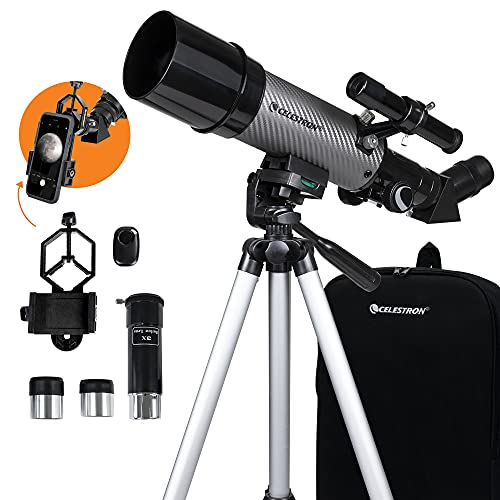
On the other hand, the Orion SkyQuest XT6 offers a traditional manual Dobsonian mount, providing a hands-on, immersive stargazing experience that appeals to purists and beginners alike.
Precision vs. Immersion: Choosing Your Perspective
When deciding between these two stellar telescopes, one must consider their preferred approach to stargazing.
If precision and convenience are paramount, the Celestron NexStar 6SE’s automated tracking and alignment capabilities may tip the scales in its favor.
Conversely, the tactile engagement and simplicity of operation offered by the Orion SkyQuest XT6 can provide a more immersive and hands-on stargazing experience that resonates with enthusiasts seeking a deeper connection with the night sky.
Tailoring Your Stargazing Experience
Beyond their technical specifications, the choice between the Celestron NexStar 6SE and the Orion SkyQuest XT6 ultimately boils down to personal preferences and stargazing goals.
Are you a novice astronomer looking to explore the cosmos with ease, or an experienced observer seeking a more intimate relationship with the stars above?
By aligning your telescope choice with your stargazing aspirations, you can enhance your astronomical journey and embark on a celestial adventure tailored to your individual interests and passions.
Unveiling the Celestron NexStar 6SE
The Celestron NexStar 6SE is a versatile and compact Schmidt-Cassegrain telescope renowned for its portability and ease of use.
Its 6-inch aperture strikes a balance between power and maneuverability, making it an ideal choice for both beginners and seasoned astronomers.
Equipped with Celestron’s signature computerized GoTo mount, the NexStar 6SE offers seamless navigation across the night sky, allowing users to locate celestial objects with precision and ease.
The telescope’s database of over 40,000 celestial bodies ensures that no cosmic wonder is beyond reach.
Versatility and Performance
The Celestron NexStar 6SE stands out for its versatility and performance, making it a popular choice among astronomers of all levels.
With its 6-inch aperture, this telescope strikes the perfect balance between gathering enough light for detailed observations while remaining compact enough for easy transportation to different observing locations.
Whether you are exploring the craters of the moon or observing deep-sky objects like galaxies and nebulae, the NexStar 6SE delivers crisp and clear views with impressive resolution.
User-Friendly Features
One of the standout features of the NexStar 6SE is its user-friendly design.
Celestron’s computerized GoTo mount takes the guesswork out of locating celestial objects in the night sky.
By simply selecting an object from the hand controller’s intuitive menu, the telescope automatically slews to the target, keeping it centered in the eyepiece for extended viewing sessions.
This hands-free navigation system not only saves time but also allows users to focus on enjoying the wonders of the universe without getting lost in the vastness of space.
Enhanced Astronomical Exploration
The NexStar 6SE opens up a world of possibilities for astronomical exploration with its extensive database of over 40,000 celestial objects.
From planets and stars to distant galaxies and nebulae, this telescope provides a gateway to a universe of discovery.
Whether you are a beginner eager to explore the basics of stargazing or a seasoned astronomer looking for new challenges, the NexStar 6SE offers a rich tapestry of celestial wonders to explore and observe.
Exploring the Orion SkyQuest XT6
On the other hand, the Orion SkyQuest XT6 presents a more traditional approach to stargazing with its classic Dobsonian design.
Recommended to our readers: Click here
Boasting a larger 6-inch primary mirror, this telescope excels in light-gathering capability, enabling users to observe fainter celestial objects with clarity.
While lacking the automated features of the NexStar 6SE, the SkyQuest XT6 offers a hands-on experience that resonates with purists and those seeking a more immersive connection to the universe.
The Dobsonian Design: A Timeless Classic
The Orion SkyQuest XT6’s Dobsonian design is revered among astronomy enthusiasts for its simplicity and effectiveness.
Named after its inventor John Dobson, this style of telescope prioritizes aperture size for optimal light gathering capacity.
The sturdy base allows for smooth manual adjustments, offering a hands-on experience that encourages users to hone their observational skills.
Imagine effortlessly gliding the telescope to track a moving celestial object, feeling a sense of connection and control over your stargazing journey.
Enhanced Visibility of Celestial Objects
With its larger 6-inch primary mirror, the Orion SkyQuest XT6 is adept at capturing and focusing light from distant astronomical bodies.
This heightened light-gathering ability translates to enhanced visibility of fainter stars, galaxies, and nebulae that may elude smaller telescopes.
Imagine peering through the eyepiece of the SkyQuest XT6 and witnessing the intricate details of a distant galaxy, or discerning the subtle hues of a planetary nebula.
The captivating views offered by this telescope open up a whole new realm of exploration for amateur astronomers.
Connecting with the Universe: The Allure of Hands-On Stargazing
Recommended to our readers: Click here
While the automated features of modern telescopes offer convenience and efficiency, some stargazers are drawn to the immersive experience of manual observation.
The act of physically adjusting the telescope’s position to align with different celestial targets fosters a deeper connection with the night sky.
Picture yourself scanning the heavens with the SkyQuest XT6, taking the time to locate and track objects using your own skills and intuition.
This direct engagement with the cosmos can be both humbling and awe-inspiring, emphasizing the beauty and vastness of the universe that surrounds us.
Performance and Optics
When it comes to performance and optics, both the NexStar 6SE and the SkyQuest XT6 have their strengths.
The NexStar’s Schmidt-Cassegrain design delivers sharp, detailed views of planets, the moon, and deep-sky objects, thanks to its long focal length and excellent image quality.
In comparison, the SkyQuest XT6’s Dobsonian configuration excels in capturing bright, wide-field views of nebulae, star clusters, and galaxies, making it a favorite among deep-sky observers.
NexStar 6SE Performance:
The NexStar 6SE boasts a robust 6-inch aperture, which allows for impressive light-gathering capacity.
This feature makes it particularly adept at revealing fine details on planets such as Jupiter’s cloud bands, Saturn’s rings, and the polar ice caps on Mars.
The high precision tracking system of the NexStar also enables long exposure astrophotography, making it popular among amateur astronomers looking to capture stunning images of celestial objects.
SkyQuest XT6 Optics:
The SkyQuest XT6’s Dobsonian mount provides exceptional stability, making it easy to manually track celestial objects smoothly.
Its primary mirror has a parabolic shape, ensuring minimal spherical aberration and delivering crisp, clear images.
This optical design is highly efficient at gathering light, allowing for deep-sky objects like the Orion Nebula, Pleiades star cluster, and Andromeda galaxy to be viewed with impressive clarity and brightness.
Its wide-field views also make it ideal for observing large celestial structures such as the Milky Way and expansive star fields.
Performance Comparison:
While the NexStar 6SE excels in capturing detailed views of planets and achieving precision tracking for astrophotography, the SkyQuest XT6’s superior light-gathering capability and wide-field optics make it a standout choice for deep-sky observation.
The NexStar is well-suited for planetary observation and imaging, whereas the SkyQuest shines when it comes to exploring expansive regions of the night sky filled with nebulae, star clusters, and galaxies.
Both telescopes offer unique strengths that cater to different preferences and observing goals within the realm of amateur astronomy.
Portability and Setup
Portability is a key consideration for astronomers on the move, and in this aspect, the NexStar 6SE shines with its compact form factor and lightweight construction.
Setting up the NexStar is a breeze, thanks to its automated alignment system that eliminates the complexities of manual calibration.
On the other hand, the SkyQuest XT6, while bulkier and heavier, offers a more straightforward setup process that appeals to users who prefer a hands-on approach to telescope assembly.
Recommended to our readers: Click here
Portability Features of the NexStar 6SE
The NexStar 6SE’s portability features make it an attractive option for astronomers who frequently travel to different observation sites or simply need a telescope that is easy to transport.
Recommended to our readers: Click here
Its compact form factor and lightweight design enable users to easily pack it into a car for a stargazing trip or carry it short distances to set up in a preferred viewing location.
Astronomers appreciate the convenience of being able to take their telescope on camping trips, star parties, or remote dark sky locations without the hassle of dealing with a bulky and heavy setup.
Automated Alignment System
One of the standout features of the NexStar 6SE is its automated alignment system.
This advanced technology simplifies the setup process by removing the need for manual calibration.
Users no longer have to spend time figuring out star positions or reference points, as the telescope’s alignment system does it all for them.
With just a few clicks, the NexStar can automatically align itself to the night sky, allowing astronomers to focus on observing celestial wonders rather than getting bogged down by technical setup tasks.
User-Friendly Setup Process of the SkyQuest XT6
While the SkyQuest XT6 may lack the compactness of the NexStar 6SE, it makes up for it with its user-friendly setup process.
Recommended to our readers: Click here
Users who appreciate a more hands-on approach to telescope assembly will find the SkyQuest XT6 to be straightforward and intuitive to set up.
From attaching the optical tube to aligning the finderscope, the XT6’s assembly process is simple and well-suited for beginners or those who prefer a more traditional telescope setup experience.
This hands-on approach can be appealing to users who enjoy the process of putting together their equipment before diving into stargazing sessions.
Price and Value

In terms of pricing, the Celestron NexStar 6SE comes at a higher cost than the Orion SkyQuest XT6, reflecting its advanced features and computerized functionality.
While the NexStar’s price may deter budget-conscious buyers, its value lies in the convenience and precision it offers, especially for users who prioritize ease of use and automated tracking capabilities.
On the other hand, the SkyQuest XT6’s affordability makes it an attractive option for enthusiasts seeking an entry-level telescope without compromising on quality or performance.
Factors Contributing to the Celestron NexStar 6SE’s Higher Cost:
The Celestron NexStar 6SE’s pricing is justified by its cutting-edge technology and innovative features.
This telescope utilizes computerized GoTo technology, allowing users to automatically locate and track celestial objects with precision and accuracy.
The NexStar 6SE also comes equipped with a database of thousands of pre-programmed celestial objects, facilitating seamless stargazing experiences for both novice and experienced astronomers.
Additionally, its high-quality optics and sturdy mount contribute to its higher cost compared to the Orion SkyQuest XT6.
Value of the Celestron NexStar 6SE:
Despite its higher price tag, the Celestron NexStar 6SE offers exceptional value to astronomy enthusiasts who prioritize convenience and performance.

The telescope’s automated tracking capabilities reduce the time and effort required to locate and observe celestial objects, making it ideal for users who value ease of use.
Furthermore, the NexStar 6SE’s advanced features, such as SkyAlign technology for quick alignment and StarBright XLT coatings for enhanced light transmission, enhance the overall observing experience, making it a worthwhile investment for those looking for a telescope that delivers both convenience and precision.

Orion SkyQuest XT6’s Affordability and Appeal:
On the other hand, the Orion SkyQuest XT6’s competitive pricing makes it an appealing option for budget-conscious buyers without compromising on quality.
Despite being a more affordable telescope, the XT6 boasts impressive optics and a solid Dobsonian mount, delivering clear and detailed views of the night sky.
For beginners or amateur astronomers looking to delve into stargazing without breaking the bank, the Orion SkyQuest XT6 provides a reliable and cost-effective choice that offers excellent performance and value for its price point.
Conclusion: Making Your Choice
In the realm of amateur astronomy, the choice between the Celestron NexStar 6SE and the Orion SkyQuest XT6 ultimately boils down to personal preferences and observing goals.
If you value convenience, precision, and a comprehensive database of celestial objects, the NexStar 6SE is a stellar companion that will guide you through the wonders of the night sky with ease.
On the other hand, if you cherish a hands-on stargazing experience, exceptional light-gathering capability, and a traditional telescope design, the SkyQuest XT6 beckons with its classic appeal and immersive viewing experience.
Whether you opt for the advanced features of the NexStar 6SE or the simplicity and affordability of the SkyQuest XT6, both telescopes promise to unveil the mysteries of the cosmos and ignite a lifelong passion for astronomy.
Whichever path you choose, the universe stands ready to reveal its celestial treasures, inviting you to gaze beyond the stars and explore the infinite wonders that lie beyond our earthly realm.
Considering Your Observing Goals
When making a decision between the Celestron NexStar 6SE and the Orion SkyQuest XT6, it’s essential to consider your observing goals.
If your interest lies in efficiently locating and tracking celestial objects using advanced technology, the NexStar 6SE’s computerized system and extensive database of thousands of stars, planets, and deep-sky objects make it a top choice.
On the other hand, if you prefer a more hands-on approach to exploring the skies and appreciate the simplicity of a traditional telescope setup, the SkyQuest XT6 offers a more tactile and immersive stargazing experience.
User-Friendly Features of the Celestron NexStar 6SE
The Celestron NexStar 6SE is lauded for its user-friendly features, making it an excellent choice for beginners and seasoned astronomers alike.
With its easy alignment procedures and automated tracking capabilities, the NexStar 6SE simplifies the observing process, allowing users to spend more time enjoying the celestial wonders rather than struggling with manual adjustments.
Additionally, the telescope’s SkyAlign technology makes it effortless to set up and align accurately, even for those new to astronomy.
Optics and Light-Gathering Abilities of the Orion SkyQuest XT6
Recommended to our readers: Click here

One of the standout features of the Orion SkyQuest XT6 is its exceptional light-gathering capacity, thanks to its sizable aperture and quality optics.
The XT6’s 6-inch primary mirror offers impressive views of both celestial objects within our solar system and deep-sky wonders such as galaxies, nebulae, and star clusters.
Its Dobsonian mount provides stability and smooth movement, allowing for precise adjustments to explore different regions of the sky with ease.
For astronomers who prioritize optical performance and immersive viewing experiences, the SkyQuest XT6 delivers exceptional results.
Finding Your Personal Connection to the Universe
Regardless of whether you lean towards the technological advancements of the NexStar 6SE or the classic design of the SkyQuest XT6, both telescopes serve as conduits to deepen your connection with the cosmos.
Imagine witnessing the intricate details of Jupiter’s cloud bands or marveling at the splendor of the Orion Nebula through the eyepiece of your chosen telescope.
Each viewing session offers a chance to ponder the vastness of space, the beauty of celestial objects, and humanity’s place in the universe.
Ultimately, your telescope choice should align with your observing preferences and ignite a sense of wonder and exploration that transcends earthly boundaries.