Celestron NexStar 5SE vs Orion StarSeeker III 90mm: A Comparison of Two Powerful Telescopes
It’s a clear night, with the twinkling stars beckoning to be explored.
For astronomy enthusiasts, investing in a quality telescope means bridging the gap between wonder and discovery.
Recommended to our readers: Click here
Two popular contenders in the telescope market are the Celestron NexStar 5SE and the Orion StarSeeker III 90mm.
These telescopes promise stunning views of the cosmos, but which one truly shines brighter?
Let’s embark on a journey to compare and contrast these celestial marvels.
Introduction to the Celestron NexStar 5SE and Orion StarSeeker III 90mm Telescopes
When it comes to choosing a telescope for stargazing and exploring the mysteries of the universe, the Celestron NexStar 5SE and the Orion StarSeeker III 90mm are two standout options that have garnered a significant following among astronomy enthusiasts.
These telescopes offer a perfect blend of advanced technology, portability, and performance, making them ideal instruments for both beginners and seasoned stargazers alike.
Features and Specifications
The Celestron NexStar 5SE boasts a compact 5-inch Schmidt-Cassegrain optical tube with excellent light-gathering capabilities, allowing users to observe celestial objects with impressive clarity and detail.
Its computerized alt-azimuth mount, equipped with Celestron’s iconic SkyAlign technology, enables effortless alignment and tracking of celestial targets.
On the other hand, the Orion StarSeeker III 90mm features a slightly smaller aperture but compensates with a robust 90mm refractor design that offers crisp views of the moon, planets, and deep-sky objects.
Performance and Optics
In terms of optical performance, the Celestron NexStar 5SE excels in delivering sharp and bright images of various celestial phenomena, thanks to its high-quality optics and precision engineering.
With a focal length of 1250mm and a focal ratio of f/10, this telescope offers exceptional magnification capabilities for observing details on the lunar surface, planetary features, and distant galaxies.
Conversely, the Orion StarSeeker III 90mm’s 90mm aperture provides a wide field of view, making it a versatile instrument for capturing stunning vistas of star clusters, nebulae, and other deep-sky treasures.
Recommended to our readers: Click here
Mounting and Tracking Capabilities
Both the Celestron NexStar 5SE and the Orion StarSeeker III 90mm come equipped with motorized mounts that enhance tracking accuracy and ease of use.
The NexStar 5SE’s single-arm alt-azimuth mount enables smooth and precise movements, making it ideal for astrophotography and planetary observations.
Meanwhile, the StarSeeker III 90mm features a dual-fork alt-azimuth mount with dual-axis servomotors, providing stable support and reliable tracking for extended stargazing sessions.
Conclusion
As we unravel the features and capabilities of the Celestron NexStar 5SE and the Orion
Unveiling the Telescopes: A Closer Look
Types of Telescopes
There are several types of telescopes used in astronomy, each with its own unique features and advantages.
The two main categories are refracting telescopes and reflecting telescopes.
Refracting telescopes use lenses to bend light, while reflecting telescopes use mirrors to reflect light.
Within these categories, there are further subtypes such as radio telescopes, X-ray telescopes, and infrared telescopes, each designed to capture different wavelengths of light.
Historical Significance
The development of telescopes has played a crucial role in advancing our understanding of the cosmos.
Galileo Galilei’s use of a refracting telescope in the early 17th century led to groundbreaking observations of celestial objects, such as the moons of Jupiter and the phases of Venus.
Over the centuries, advancements in telescope technology have enabled astronomers to discover exoplanets, study distant galaxies, and unravel the mysteries of the universe.
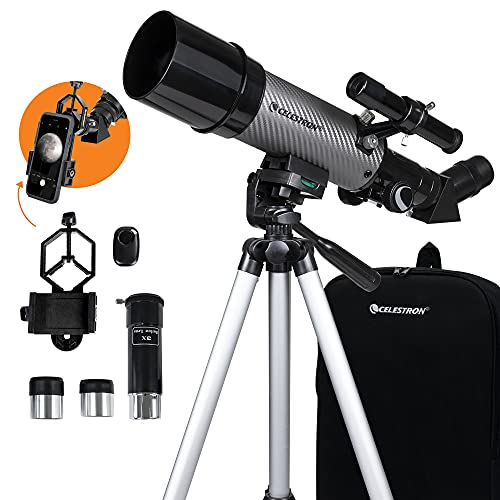
Modern Innovations
In recent years, telescopes have undergone significant technological advancements, revolutionizing the field of astronomy.
The introduction of adaptive optics has allowed for clearer imaging by correcting distortions caused by the Earth’s atmosphere.
Furthermore, the construction of large-scale telescopes, such as the Extremely Large Telescope (ELT) and the James Webb Space Telescope, has expanded our observational capabilities to probe deeper into space and time.
Applications Beyond Astronomy
Recommended to our readers: Click here
Telescopes are not only used for astronomical research but also have practical applications in various other fields.
For example, terrestrial telescopes are used in surveillance and reconnaissance to observe distant objects on Earth.
Medical imaging technologies, such as endoscopes and laparoscopes, are also based on the principles of optics used in telescopes, allowing for minimally invasive procedures and accurate diagnoses.
Recommended to our readers: Click here
Celestron NexStar 5SE: The Stargazer’s Delight
The Celestron NexStar 5SE boasts a 5-inch aperture and is equipped with cutting-edge technology that puts the universe at your fingertips.
With its Schmidt-Cassegrain design, this telescope offers high-resolution images that are ideal for both planetary and deep-space observations.
The NexStar 5SE comes with a sturdy altazimuth mount and a user-friendly hand controller, making it a popular choice for beginners and experienced astronomers alike.
Advanced Optics and Technology
The Celestron NexStar 5SE features advanced optics that ensure crystal-clear views of the night sky.
Its 5-inch aperture gathers ample light to provide high-resolution images, revealing intricate details of celestial objects.
The telescope’s Schmidt-Cassegrain optical design combines a concave mirror and a corrector lens to deliver sharp and contrasted images, making it perfect for observing both planets and deep-sky phenomena.
Precision Tracking System
Equipped with Celestron’s innovative SkyAlign technology, the NexStar 5SE can automatically locate and track celestial objects with remarkable accuracy.
By aligning itself to various stars in the sky, this telescope can pinpoint targets effortlessly, saving users time and effort in locating specific objects.
Whether you’re searching for distant galaxies or planetary nebulae, the precision tracking system of the NexStar 5SE ensures a smooth and enjoyable stargazing experience.
User-Friendly Features
The NexStar 5SE is designed with user convenience in mind, featuring a sturdy altazimuth mount that provides stable support for the telescope.
Paired with a user-friendly hand controller, navigating the night sky becomes intuitive and straightforward.
The hand controller allows users to slew the telescope to different celestial objects at the touch of a button, making it an excellent choice for beginners who are just starting their astronomical journey.
Experienced astronomers will also appreciate the efficiency and accuracy that the NexStar 5SE’s user-friendly features bring to their observing sessions.
Versatile Observing Capabilities
Whether you’re interested in observing the rings of Saturn, the craters of the moon, or distant galaxies millions of light-years away, the Celestron NexStar 5SE offers versatile observing capabilities for astronomers of all levels.
Its combination of a moderate aperture and advanced optics enables users to explore a wide range of celestial objects with stunning clarity and detail.
From breathtaking views of Jupiter’s cloud bands to intricate details of star clusters, the NexStar 5SE provides endless opportunities for astronomical exploration and discovery.
Orion StarSeeker III 90mm: The Seeker of Mysteries
Recommended to our readers: Click here
On the other side of the celestial coin, we have the Orion StarSeeker III 90mm.
This telescope features a 90mm aperture and a GoTo computerized mount that automatically locates and tracks celestial objects with precision.
The StarSeeker III is renowned for its ease of use and versatility, making it a favorite among astrophotography enthusiasts and those looking to delve deep into the mysteries of the night sky.
Precision Tracking and Alignment
The Orion StarSeeker III 90mm telescope is equipped with a sophisticated GoTo computerized mount that revolutionizes the stargazing experience.
This mount not only accurately locates celestial objects but also tracks them with impressive precision.
Utilizing GPS technology, the telescope can automatically align itself with the night sky, saving users valuable time and effort in setting up their observations.
Astounding Magnification Power
With its 90mm aperture, the StarSeeker III offers exceptional magnification capabilities, allowing users to peer deeper into the cosmos.
Whether observing distant galaxies, nebulae, or planets within our solar system, this telescope provides crystal-clear views that unveil the intricacies of the universe.
Astrophotography enthusiasts will appreciate the level of detail captured by the StarSeeker III, enabling them to immortalize breathtaking celestial scenes.
User-Friendly Interface

One of the standout features of the Orion StarSeeker III 90mm is its user-friendly interface, which caters to both beginners and seasoned astronomers.
The intuitive controls and menu system simplify the process of selecting and tracking celestial objects, making stargazing sessions effortless and enjoyable.
Whether navigating the night sky or exploring specific astronomical phenomena, users can easily adapt to the telescope’s interface, enhancing their overall observing experience.
Performance in the Field: Delving into Observational Capabilities
When it comes to observing the heavens above, both the Celestron NexStar 5SE and the Orion StarSeeker III 90mm offer impressive performance.
The NexStar 5SE’s superior optical capabilities provide sharp, clear views of planets like Jupiter and Saturn, as well as stunning deep-sky objects such as nebulae and galaxies.
Its tracking accuracy ensures that your target stays in view, allowing for extended observation sessions without the need for constant readjustment.

On the other hand, the Orion StarSeeker III 90mm’s GoTo mount takes sky navigation to the next level.
With its database of thousands of celestial objects, this telescope can swiftly locate and track targets with unparalleled accuracy.
Whether you’re hunting for distant galaxies or capturing the intricate details of the Moon’s surface, the StarSeeker III delivers exceptional performance that is sure to impress even the most discerning stargazer.
Optical Performance and Versatility
The Celestron NexStar 5SE’s impressive optical capabilities are a result of its high-quality Schmidt-Cassegrain design, which combines a spherical primary mirror with a corrector lens.
This design not only provides sharp, detailed views of planets like Jupiter and Saturn but also allows for the observation of deep-sky objects with remarkable clarity.
Whether you’re scanning the Orion Nebula’s ethereal glow or marveling at the intricate structure of the Whirlpool Galaxy, the NexStar 5SE excels in capturing the beauty of celestial wonders.
Furthermore, the telescope’s versatile nature makes it suitable for both planetary and deep-sky viewing.
While its crisp views of the gas giants in our solar system will leave you in awe, its ability to reveal faint nebulae and distant galaxies adds a layer of exploration to your stargazing experience.
The NexStar 5SE’s versatility in capturing a wide range of celestial objects makes it a favorite among amateur astronomers looking to delve deeper into the cosmos.
Advanced Navigation and Tracking Features
The Orion StarSeeker III 90mm’s GoTo mount revolutionizes sky navigation by offering a user-friendly interface and advanced tracking capabilities.
With its extensive database of thousands of celestial objects, this telescope opens up a world of exploration for users of all levels.
Simply input your desired target into the hand controller, and the StarSeeker III will swiftly calculate its coordinates and automatically point the telescope in the right direction.
Moreover, the GoTo mount’s precise tracking accuracy ensures that your chosen object remains in the field of view, providing uninterrupted observing sessions for enthusiasts eager to explore multiple targets in a single night.
Whether you’re embarking on a quest to observe the distant Andromeda Galaxy or studying the intricate crater formations on the Moon, the StarSeeker III’s advanced navigation and tracking features make celestial observations effortless and rewarding.
Conclusion
In conclusion, both the Celestron NexStar 5SE and the Orion StarSeeker III 90mm excel in different aspects of observational capabilities, catering to diverse preferences and styles of stargazing.
While the NexStar 5SE impresses with its superior optical performance and versatility in capturing a wide array of celestial objects, the StarSeeker III stands out for its advanced navigation features and precise tracking accuracy.
Whether you prioritize detailed views of planets and deep-sky objects or seamless sky navigation, these telescopes offer exceptional performance that will elevate your stargazing experience to
Recommended to our readers: Click here
Design and Portability: Balancing Functionality with Convenience

In the realm of telescope design, factors like portability and ease of setup play a crucial role in enhancing the overall stargazing experience.
The Celestron NexStar 5SE’s compact and lightweight design makes it a breeze to transport to your favorite observing spot, whether it’s a secluded stargazing site or your own backyard.
Setting up the NexStar 5SE is a straightforward process, thanks to its intuitive alignment system that gets you observing in no time.
Conversely, the Orion StarSeeker III 90mm strikes a balance between performance and portability.
While slightly larger than the NexStar 5SE, the StarSeeker III’s ergonomic design and durable construction make it a reliable companion for on-the-go stargazing adventures.
Its quick-release dovetail mount allows for swift assembly, ensuring that you spend less time setting up and more time exploring the cosmos.
Importance of Portability in Telescope Design
When it comes to choosing a telescope, the aspect of portability is often underestimated but holds significant importance for astronomers of all levels.
Portability not only refers to the ease of carrying and transporting a telescope but also impacts the overall convenience and usability.
A portable telescope allows enthusiasts to explore different viewing locations, from dark-sky sites with minimal light pollution to impromptu stargazing sessions in their own backyard.
Celestron NexStar 5SE: The Epitome of Compactness
The Celestron NexStar 5SE exemplifies the pinnacle of compact design in the world of telescopes.
Weighing in at a manageable level and featuring a size that makes it easy to handle, this telescope is a popular choice among astronomers who value portability without compromising on performance.
Whether you are driving to a remote stargazing spot or simply stepping out into your garden, the NexStar 5SE’s manageable size ensures that it is always ready for exploration.
Ease of Setup: A Game-Changer for Stargazing Enthusiasts
One of the key aspects that set the Celestron NexStar 5SE apart is its user-friendly setup process.
With an intuitive alignment system, even beginners can quickly get this telescope up and running, enabling them to delve into the wonders of the night sky without unnecessary delays.
By minimizing the time and effort required for assembly, the NexStar 5SE maximizes the time spent observing celestial objects, making it a favorite among those who value a seamless stargazing experience.
Orion StarSeeker III 90mm: Striking a Harmonious Balance

In the realm of telescopes that balance performance and portability, the Orion StarSeeker III 90mm stands out as a versatile option.
While slightly larger than the NexStar 5SE, the StarSeeker III’s ergonomic design and sturdy build cater to astronomers who seek a reliable companion for their on-the-go stargazing escapades.
Its combination of portability and robust construction ensures that users can easily transport and set up the telescope without compromising on durability or viewing capabilities.
Price and Value: Deciphering the Astronomical Investment
When considering the purchase of a telescope, balancing cost with features is essential.
The Celestron NexStar 5SE offers a compelling blend of performance and affordability, making it an attractive option for budget-conscious astronomers.
Its advanced features, such as SkyAlign technology and StarBright XLT coatings, provide exceptional value for both beginners and seasoned stargazers looking to upgrade their equipment.
On the other hand, the Orion StarSeeker III 90mm commands a higher price tag, reflective of its sophisticated GoTo mount and enhanced observational capabilities.
While it may require a slightly larger investment, the StarSeeker III’s premium features and exceptional build quality make it a worthwhile choice for astronomy enthusiasts who prioritize precision and convenience in their stargazing pursuits.
Features Comparison
In terms of features, the Celestron NexStar 5SE and the Orion StarSeeker III 90mm both offer distinct advantages for different types of astronomers.
The Celestron model stands out for its user-friendly SkyAlign technology, which simplifies the alignment process and enables quick and accurate setup for observing celestial objects.
Additionally, the StarBright XLT coatings enhance light transmission and contrast, resulting in clearer and more detailed views of the night sky.
Beginners will appreciate these features for their ease of use and improved viewing experience.
On the other hand, the Orion StarSeeker III 90mm boasts a sophisticated GoTo mount system that automatically locates and tracks celestial targets with precision.
This feature is particularly beneficial for astronomers who prefer a hands-off approach to navigation and tracking, allowing them to focus more on observing rather than manual adjustments.
Furthermore, the enhanced observational capabilities of the StarSeeker III, such as increased magnification and resolution, cater to advanced users seeking detailed views of distant galaxies, nebulae, and planets.
Value Proposition
While the Celestron NexStar 5SE offers a compelling blend of performance and affordability, the Orion StarSeeker III 90mm provides a higher level of value in terms of advanced features and build quality.
For astronomers looking to invest in a telescope that offers a seamless and high-precision observing experience, the StarSeeker III justifies its higher price tag with superior technology and construction.
Ultimately, the choice between these two models comes down to individual preferences, budget considerations, and the level of convenience and performance desired in a telescope.
Conclusion: Finding Your Celestial Companion
In the vast cosmos of telescopes, the Celestron NexStar 5SE and the Orion StarSeeker III 90mm stand out as formidable contenders, each offering a unique blend of features and performance.
Whether you gravitate towards the NexStar 5SE’s user-friendly design or the StarSeeker III’s cutting-edge technology, both telescopes hold the promise of unlocking the mysteries of the universe and igniting a passion for stargazing.
As you embark on your celestial journey, consider your observing preferences, budget constraints, and level of expertise to determine which telescope aligns best with your astronomical aspirations.
Whether you choose the NexStar 5SE or the StarSeeker III, rest assured that both telescopes will open up a world of wonder and exploration, allowing you to gaze upon the beauty of the cosmos with awe and inspiration.
Features Comparison:
The Celestron NexStar 5SE boasts a 5-inch aperture and a user-friendly design, making it an excellent choice for beginners and amateur astronomers.
Its automated GoTo mount system guides users to thousands of celestial objects with the push of a button, allowing for effortless navigation of the night sky.
On the other hand, the Orion StarSeeker III 90mm offers a 90mm aperture and advanced GoTo technology for precise tracking and enhanced viewing capabilities.
Users can take advantage of the StarSeeker III’s database of over 42,000 celestial objects, providing a comprehensive stargazing experience.
Performance Snapshot:
When it comes to performance, the NexStar 5SE excels in providing crisp, detailed views of the moon, planets, and deep-sky objects.
Its Maksutov-Cassegrain optical design delivers high-resolution images, ideal for lunar observations and planetary viewing.
In comparison, the StarSeeker III’s larger aperture offers superior light-gathering capabilities, allowing users to capture fainter deep-sky objects such as galaxies and nebulae with greater clarity and detail.
Its equatorial mount provides stability and precision tracking for extended observation sessions.
Personalized Selection:
As you weigh the options between the NexStar 5SE and the StarSeeker III, consider your specific preferences and requirements.
If you are drawn to intuitive technology and ease of use, the NexStar 5SE may be the ideal choice for your stargazing adventures.
Alternatively, if you seek advanced features and enhanced performance, the StarSeeker III could be the perfect companion for exploring the depths of the cosmos.
Take into account factors like portability, setup complexity, and accessory compatibility to tailor your selection to suit your individual needs and goals.