Celestron NexStar 4SE vs Sky-Watcher Heritage 130P: A Duel of Celestial Observatories
Have you ever looked up at the night sky and wondered about the mysteries hidden in the vast expanse of space?
For aspiring stargazers and seasoned astronomers alike, owning a reliable telescope is essential to explore the wonders of the universe.
Two popular choices in the world of amateur astronomy are the Celestron NexStar 4SE and the Sky-Watcher Heritage 130P.
Both telescopes offer unique features and capabilities that cater to different needs and preferences.
Recommended to our readers: Click here
In this comparative analysis, we delve into the realms of these two celestial observatories to help you make an informed decision on which one suits your stargazing adventures best.
The Celestron NexStar 4SE: A Mini Observatory with Advanced Technology
The Celestron NexStar 4SE is a compact yet powerful telescope that boasts advanced technology suitable for both beginners and experienced astronomers.
Its 4-inch aperture allows for clear and detailed views of celestial objects, making it a favorite among those interested in planetary and lunar observations.
Equipped with Celestron’s SkyAlign technology, the NexStar 4SE can automatically align itself with the night sky, making it easy to locate and track celestial bodies with precision.
This feature is especially handy for users who are new to astronomy and may struggle with manual alignment processes.
Moreover, the NexStar 4SE comes with a database of thousands of stars, planets, and deep-sky objects, offering a wealth of viewing options for users to explore.
Its compact size and lightweight design make it a portable option for stargazing on the go, whether in your backyard or at a remote dark-sky location.
With its user-friendly interface and compatibility with accessories like smartphone adapters and astronomy apps, the Celestron NexStar 4SE provides a seamless and enjoyable observing experience for astronomers of all levels.
The Sky-Watcher Heritage 130P: A Classic Dobsonian Telescope for Observing Deep-Sky Marvels
In contrast, the Sky-Watcher Heritage 130P is a classic Dobsonian telescope renowned for its excellent light-gathering capabilities and ease of use.
With a larger 5.1-inch aperture and a relatively shorter focal length, the Heritage 130P excels in observing faint deep-sky objects such as galaxies, nebulae, and star clusters.
Its simple yet sturdy tabletop design makes it a popular choice for casual stargazers looking to explore the wonders of the cosmos without the hassle of complex setup procedures.
One of the standout features of the Heritage 130P is its intuitive manual Dobsonian mount, which allows for smooth and precise adjustments while exploring the night sky.
This hands-on approach to telescope operation can be both educational and rewarding for users who prefer a more interactive stargazing experience.
Additionally, the Heritage 130P’s portable and compact design makes it a convenient option for astronomers seeking a grab-and-go telescope for impromptu observing sessions in various locations.
Choosing the Right Telescope for Your Stargazing Adventures

When deciding between the Celestron NexStar 4SE and the Sky-Watcher Heritage 130P, it’s essential to consider your observing preferences,
Unveiling the Celestron NexStar 4SE
The Celestron NexStar 4SE is a compact and technologically advanced telescope designed for both beginners and experienced astronomers.
Boasting a 4-inch aperture and a focal length of 1325mm, the NexStar 4SE delivers crisp and clear views of celestial objects, making it ideal for planetary observation and lunar exploration.
Equipped with Celestron’s patented SkyAlign technology, this telescope offers effortless alignment procedures, allowing users to calibrate the device within minutes, even for those unfamiliar with astronomy equipment.

Amateur astronomers who appreciate the convenience of computerized tracking systems will find the NexStar 4SE’s GoTo mount a valuable feature.
With a comprehensive database of celestial objects at your fingertips, navigating the night sky becomes a breeze as the telescope automatically slews to your desired targets.
Whether you are observing the rings of Saturn or capturing the delicate details of a distant star cluster, the NexStar 4SE excels in precision and ease of use.
Enhanced Viewing Experience:
The Celestron NexStar 4SE’s 4-inch aperture and 1325mm focal length combine to provide enhanced viewing experiences for both beginners and seasoned stargazers.
The larger aperture allows for more light to enter the telescope, resulting in brighter and sharper images of the cosmos.
Recommended to our readers: Click here
This feature is particularly advantageous when observing planets like Jupiter and its moons, where details such as cloud bands and swirling storms can be better discerned.
The longer focal length also aids in magnifying celestial objects, making it easier to differentiate fine details on the lunar surface or capture intricate patterns within star clusters.
User-Friendly Alignment Procedures:
One of the standout features of the NexStar 4SE is its user-friendly alignment process powered by Celestron’s SkyAlign technology.
This innovative system eliminates the complexity often associated with setting up a telescope, making it accessible to beginners and amateur astronomers alike.
By simply choosing a few bright stars or celestial objects in the sky, the telescope can intuitively align itself, requiring minimal user input.
This streamlined process not only saves time but also allows users to focus on enjoying the wonders of the universe rather than struggling with calibration tasks.
GoTo Mount for Effortless Navigation:
The inclusion of a GoTo mount in the NexStar 4SE elevates the stargazing experience by offering effortless navigation through the celestial sphere.
This computerized tracking system takes the guesswork out of locating and tracking celestial objects, enabling users to easily explore a plethora of astronomical targets with precision.
Imagine effortlessly moving from observing the majestic rings of Saturn to exploring a distant galaxy millions of light-years away, all at the touch of a button.
With a vast database of celestial objects built into the telescope’s software, locating and tracking elusive cosmic wonders becomes a seamless and enjoyable endeavor for astronomers of all levels of expertise.
Exploring the Sky-Watcher Heritage 130P
In contrast, the Sky-Watcher Heritage 130P exudes a charm rooted in its simplicity and portability.
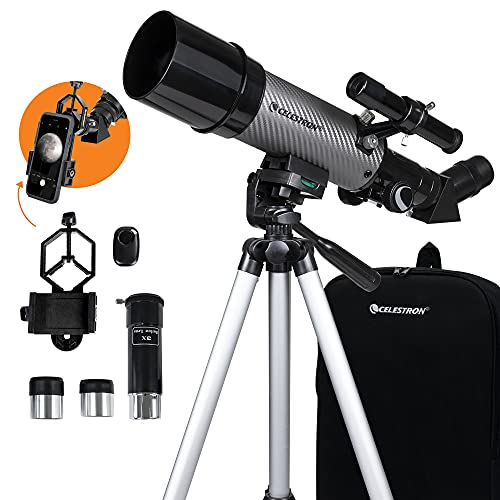
This tabletop Dobsonian telescope offers a 130mm aperture and a focal length of 650mm, providing wide-field views perfect for scanning large sections of the sky.
With its intuitive manual alt-azimuth mount, the Heritage 130P invites users to engage in hands-on stargazing experiences, reminiscent of the classic approach to amateur astronomy.
Despite lacking computerized tracking features, the Heritage 130P compensates with its ease of setup and low maintenance requirements.
Its compact design makes it an excellent choice for stargazers who prefer spontaneous stargazing sessions in various outdoor settings.
From observing bright nebulae to spotting elusive galaxies, this telescope encourages users to immerse themselves fully in the celestial splendors above without the need for complex alignment procedures.
Portable and User-Friendly Design
The tabletop design of the Sky-Watcher Heritage 130P not only makes it visually appealing but also enhances its portability.
This feature allows users to easily transport the telescope to different locations, whether it’s a remote dark sky site or simply setting up in your backyard.
The compact size also makes it convenient for storage, ideal for those with limited space or who prefer a grab-and-go observing setup.
Optical Performance and Versatility
With a 130mm aperture and a focal length of 650mm, the Heritage 130P provides crisp and detailed views of celestial objects.
Whether you’re observing the intricate details of the Moon’s surface, the rings of Saturn, or the glowing colors of a distant nebula, this telescope offers versatility in exploring a wide range of astronomical targets.
Its wide-field views also make it great for observing star clusters and sweeping through the Milky Way.
Manual Alt-Azimuth Mount Experience
The manual alt-azimuth mount of the Heritage 130P takes stargazing back to its roots, allowing users to adjust the telescope’s position by hand to track celestial objects.
This hands-on approach provides a more immersive experience, enabling stargazers to fine-tune their observations and learn the night sky through manual slewing.
Recommended to our readers: Click here
The intuitive nature of the mount makes it suitable for beginners and seasoned astronomers alike, fostering a deeper connection with the cosmos.
Stargazing Without Distractions
By omitting computerized tracking features, the Heritage 130P encourages users to disconnect from technology and engage fully in the act of stargazing.
Without the distractions of aligning computer systems or dealing with complex settings, astronomers can focus on the beauty and wonder of the universe above.
This simplified experience harks back to a time when observing the stars was about the pure enjoyment of discovery and exploration, fostering a sense of awe and inspiration.
Performance in the Field: A Comparative Analysis
When it comes to performance, both the Celestron NexStar 4SE and the Sky-Watcher Heritage 130P offer distinct advantages based on individual preferences and observing styles.
The NexStar 4SE shines in its ability to precisely track celestial objects with minimal user input, making it suitable for astrophotography enthusiasts seeking to capture detailed images of planets and deep-sky targets.
On the other hand, the Heritage 130P’s simplicity and versatility make it a popular choice for casual stargazers and outdoor enthusiasts who prioritize ease of use and portability.
In terms of optical quality, the NexStar 4SE’s Maksutov-Cassegrain optical design ensures excellent image contrast and resolution, particularly for planetary observation.
However, some users may find the narrower field of view limiting for observing larger celestial objects such as star clusters and galaxies.
Meanwhile, the Heritage 130P’s Newtonian reflector design offers a wider field of view, making it well-suited for capturing expansive nebulae and star fields, albeit with slightly lower magnification compared to the NexStar 4SE.
Optical Design and Imaging Capabilities
The Maksutov-Cassegrain optical design of the NexStar 4SE combines a spherical mirror with a corrector plate to deliver sharp and high-contrast images, making it a top choice for planetary viewing.
The compact design also minimizes the effects of thermal changes, ensuring consistent performance throughout extended viewing sessions.
Astrophotography enthusiasts appreciate the NexStar 4SE for its ability to accurately track celestial objects, allowing for long-exposure photography without star trailing.
On the other hand, the Heritage 130P’s Newtonian reflector design excels in capturing wide-field views of celestial objects.
This design incorporates a concave primary mirror at the base of the telescope tube, reflecting light to a secondary mirror before directing it to the eyepiece.
While the Heritage 130P may not offer the high magnification capabilities of the NexStar 4SE, it is ideal for capturing stunning images of sprawling nebulae like the Orion Nebula or striking open star clusters like the Pleiades.

Ease of Setup and Portability
One key consideration for amateur astronomers is the ease of setting up and transporting their equipment.

The NexStar 4SE features a computerized GoTo mount that automates the alignment process, making it simple even for beginners to locate and track celestial objects accurately.
Its compact size and lightweight construction further enhance its portability, allowing users to easily transport it to different observation sites or stow it away when not in use.
Conversely, the Sky-Watcher Heritage 130P’s tabletop Dobsonian mount offers a hassle-free setup experience, requiring minimal assembly and alignment.
Its portable design makes it a popular choice for spontaneous stargazing sessions in a backyard, a park, or even while camping.
The lack of a complicated electronic interface also appeals to those who prefer a more hands-on approach to navigating the night sky.
By considering these additional details on optical design, imaging capabilities, ease of setup, and portability, amateur astronomers can make an informed decision based on their observing preferences and requirements.
Making Your Choice: Factors to Consider
Choosing between the Celestron NexStar 4SE and the Sky-Watcher Heritage 130P boils down to personal preferences and observing priorities.
If you value technological sophistication, automated tracking capabilities, and high-resolution imaging for planetary observation, the NexStar 4SE may be the ideal telescope for your stargazing endeavors.
Conversely, if you prefer simplicity, portability, and immersive hands-on experiences under the night sky, the Heritage 130P’s user-friendly design and wide-field views offer a compelling proposition.
Recommended to our readers: Click here
Ultimately, the decision between these two telescopes hinges on your individual needs and aspirations as an amateur astronomer.
Whether you embark on a celestial journey guided by cutting-edge technology or opt for a more traditional stargazing experience grounded in simplicity and versatility, both the Celestron NexStar 4SE and the Sky-Watcher Heritage 130P stand as commendable companions in unraveling the mysteries of the cosmos.
Recommended to our readers: Click here
So, choose wisely, set your sights on the heavens above, and let the wonders of the universe unfold before your eyes through the lens of your chosen celestial observatory.
Consideration of Observing Environment
When making a decision between the Celestron NexStar 4SE and the Sky-Watcher Heritage 130P, it is crucial to consider the environment in which you plan to stargaze.
For instance, if you frequently observe from light-polluted urban areas, the NexStar 4SE’s automated tracking capabilities and high-resolution imaging can help counteract the effects of light pollution and provide clearer views of celestial objects.
On the other hand, if you often travel to darker, remote locations with expansive night skies, the portability and wide-field views of the Heritage 130P may be more suitable for capturing the grandeur of the cosmos.
Long-term Investment in Astronomy
Investing in a telescope is not just about the initial purchase but also about your long-term commitment to exploring the depths of space.
Consider factors such as potential upgrades, accessories, and compatibility with future advancements in astronomy technology.
Recommended to our readers: Click here
Both the NexStar 4SE and the Heritage 130P offer room for growth, allowing you to enhance your stargazing experience as you delve deeper into the hobby.
Researching the available accessories, such as additional eyepieces, filters, or camera adapters, can further inform your decision-making process and ensure that your chosen telescope aligns with your evolving interests in astronomy.
Community and Support Networks
Joining the amateur astronomy community can enrich your stargazing journey by providing access to shared knowledge, observing tips, and camaraderie with fellow enthusiasts.
Consider the availability of community forums, local astronomy clubs, and manufacturer support when deciding between the NexStar 4SE and the Heritage 130P.
Engaging with like-minded individuals can enhance your understanding of telescope functionality, observing techniques, and celestial events, fostering a deeper appreciation for the wonders of the universe and creating lasting connections within the astronomy community.