Celestron NexStar 4SE vs Sky-Watcher Heritage 130P: A Comprehensive Comparison
In the vast realm of amateur astronomy, choosing the right telescope can be a daunting task.
There is a plethora of options available, each catering to different interests and skill levels.
Two popular choices among budding stargazers are the Celestron NexStar 4SE and the Sky-Watcher Heritage 130P.
While both offer unique features and capabilities, they target distinct user needs.
Let’s delve deeper into the realm of telescopes as we compare and contrast these two models to help you make an informed decision.
Factors to Consider When Choosing a Telescope
When it comes to choosing a telescope for amateur astronomy, there are several important factors to consider.
These include aperture size, focal length, portability, ease of use, tracking capabilities, and compatibility with additional accessories.
Each of these factors plays a crucial role in determining the overall performance and user experience of a telescope.
Aperture Size and Optical Performance
One key feature to pay attention to when comparing telescopes is the aperture size, as it directly influences the amount of light gathered and the resolving power of the telescope.
The Celestron NexStar 4SE boasts a 102mm aperture, while the Sky-Watcher Heritage 130P offers a larger 130mm aperture.
A larger aperture generally translates to better image clarity and brightness, especially when observing celestial objects in low light conditions.
Mounting and Tracking Systems
The Celestron NexStar 4SE comes with a motorized alt-azimuth mount and computerized GoTo technology, allowing users to easily locate and track celestial objects with precision.
On the other hand, the Sky-Watcher Heritage 130P features a simple tabletop Dobsonian mount, which offers manual tracking but may require a bit more effort to locate objects in the night sky.
Consider your preference for automated tracking versus manual adjustments when deciding between these two models.
Portability and Convenience
Portability is an essential factor to consider, especially if you plan to transport your telescope to different observing locations.
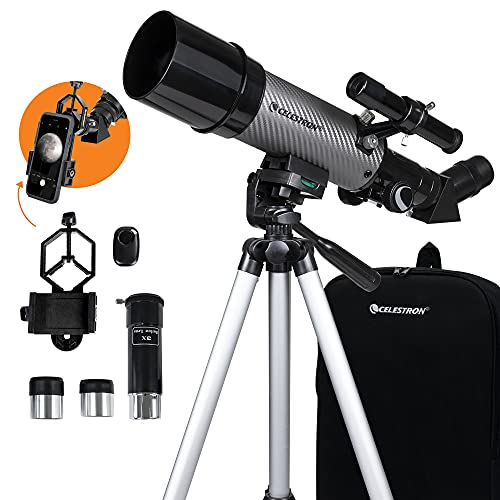
The compact and lightweight design of the Sky-Watcher Heritage 130P makes it a great choice for stargazers who value portability and convenience.
In contrast, the Celestron NexStar 4SE, while still relatively portable, is a bit bulkier due to its motorized mount and electronic components.
By taking into account these factors, potential telescope buyers can better assess which model aligns with their observing goals, skill level, and preferences.
Unveiling the Celestron NexStar 4SE
The Celestron NexStar 4SE is a compact, computerized telescope renowned for its portability and ease of use.
Equipped with a 4-inch aperture and a focal length of 1325mm, this scope boasts impressive image clarity and light-gathering capabilities, making it ideal for planetary and lunar observation.
Its standout feature is the NexStar computerized system, which simplifies the sky-align process and enables users to locate celestial objects with precision at the touch of a button.
Portability and Ease of Use
The compact design of the Celestron NexStar 4SE makes it a favorite among backyard astronomers and stargazing enthusiasts who value convenience without compromising on performance.
Weighing just around 21 pounds and featuring a single fork arm mount, this telescope is easy to set up and transport to different observing locations.
Whether you’re exploring the night sky from your backyard, a camping trip, or a remote stargazing site, the NexStar 4SE’s portability ensures that you can always take your celestial exploration to new heights with minimal hassle.
Impressive Image Clarity and Light-gathering Capabilities
With its 4-inch aperture and 1325mm focal length, the Celestron NexStar 4SE delivers exceptional image clarity and detail, allowing users to observe celestial objects with stunning precision and definition.
The scope’s ability to gather ample light makes it particularly well-suited for viewing planets like Jupiter and Saturn, as well as the craters and mountains on the Moon.
Whether you’re a beginner or a seasoned astronomer, the impressive optical performance of the NexStar 4SE ensures that you can experience the wonders of the universe in vivid detail.
NexStar Computerized System
The standout feature of the Celestron NexStar 4SE is undoubtedly its innovative NexStar computerized system, which revolutionizes the way users interact with the telescope and navigate the night sky.
By simply inputting your location, date, and time, the NexStar system streamlines the sky alignment process, automatically calibrating the telescope to accurately track celestial objects as they move across the sky.
This intuitive system eliminates the need for manual star-hopping or complex alignment procedures, allowing users to effortlessly locate and observe galaxies, nebulae, and star clusters at the touch of a button.
Unpacking the Sky-Watcher Heritage 130P
On the other hand, the Sky-Watcher Heritage 130P, also known as the Sky-Watcher Flextube 130P, offers a different experience.
This tabletop Dobsonian telescope features a larger 5.1-inch aperture and a shorter focal length of 650mm, making it a powerhouse for deep-sky observation.
Despite its manual operation, the Heritage 130P excels in portability and affordability, attracting newcomers and seasoned enthusiasts alike.
Its intuitive design and wide-field views make it an excellent choice for exploring galaxies, nebulae, and star clusters.

Key Features of the Sky-Watcher Heritage 130P
The Sky-Watcher Heritage 130P stands out for several key features that make it a popular choice among astronomers of all levels:
Portability and Ease of Setup
One of the standout features of the Heritage 130P is its compact and portable design.
Unlike larger Dobsonian telescopes that can be bulky and cumbersome to transport, this tabletop model is easy to carry to different observation locations.
Setting up the telescope is a breeze, requiring minimal assembly and adjustments, making it ideal for spontaneous stargazing sessions or taking it on camping trips.
Enhanced Deep-Sky Observation
With its impressive 5.1-inch aperture and shorter focal length of 650mm, the Heritage 130P is optimized for observing celestial objects in the deep sky.
The larger aperture allows for greater light-gathering power, enabling users to see fainter objects with more clarity and detail.
Whether you’re exploring distant galaxies, intricate nebulae, or dense star clusters, this telescope excels at delivering breathtaking views of deep-sky wonders.
Versatile Viewing Options
Despite its compact size, the Heritage 130P offers a wide range of viewing options for astronomers with varying interests.
From detailed lunar observations to capturing planetary details on Jupiter and Saturn, this telescope provides versatile viewing experiences.
Additionally, its wide-field views make it a great choice for sweeping across the night sky to discover new celestial gems with ease.
Affordable Entry Point for Beginners
For those new to astronomy or looking to start their stargazing journey, the Heritage 130P serves as an affordable entry point without compromising on performance.
Its budget-friendly price tag makes it accessible to beginners while still offering impressive capabilities that can satisfy the curiosity and thirst for exploration of amateur astronomers.
The telescope’s manual operation also provides a hands-on learning experience that can deepen one’s understanding of the night sky.
Performance and Versatility
When it comes to performance, the Celestron NexStar 4SE shines in planetary and lunar observation.
Its Schmidt-Cassegrain optical design delivers crisp, high-contrast views of celestial objects, making it a favorite among astrophotographers.
With the NexStar computerized system, users can effortlessly track targets, set up guided tours of the night sky, and engage in hands-free stargazing sessions.
Conversely, the Sky-Watcher Heritage 130P excels in deep-sky observation thanks to its larger aperture size and wide-field views.
Recommended to our readers: Click here
Whether you’re gazing into the heart of the Orion Nebula or marveling at the rings of Saturn, this telescope offers immersive experiences that cater to those seeking to explore the cosmos beyond our solar system.
Detailed Performance Comparison
When comparing the performance of the Celestron NexStar 4SE and the Sky-Watcher Heritage 130P, it’s important to delve deeper into their specific features and capabilities.
Planetary and Lunar Observation
The Celestron NexStar 4SE truly shines when observing planets and the moon due to its Schmidt-Cassegrain optical design.
This design not only provides sharp and high-contrast views but also allows for detailed observations of planetary features such as cloud bands on Jupiter or craters on the moon.
Astophotographers particularly appreciate the crisp images produced by this telescope, making it a top choice for capturing stunning planetary and lunar images.
Deep-Sky Observation
On the other hand, the Sky-Watcher Heritage 130P is a standout performer when it comes to deep-sky observation.
With its larger aperture size compared to the NexStar 4SE, this telescope is capable of gathering more light, providing brighter and more detailed views of distant galaxies, nebulas, and star clusters.
Imagine gazing into the whirlpool galaxy or exploring star-forming regions in the Orion Nebula with remarkable clarity and depth, thanks to the immersive experiences offered by the Heritage 130P.
Equipped for Different Celestial Exploration
While the NexStar 4SE excels in planetary and lunar observation with its precision tracking and guidance system, the Heritage 130P’s wide-field views and light-gathering capabilities make it an ideal choice for exploring the vast expanse of deep-sky objects.
Whether you’re an amateur astronomer seeking detailed views of our neighboring planets or an enthusiast delving into the mysteries of distant galaxies, these telescopes are equipped to cater to a wide range of celestial exploration interests.
Design and Portability
In terms of design and portability, the Celestron NexStar 4SE boasts a sleek and compact form factor that is easy to transport and set up for stargazing sessions on the go.
Its sturdy tripod and fork arm mount provide stability and tracking accuracy, enhancing the overall user experience.
However, the reliance on batteries for power may be a drawback for those planning extended observing sessions in remote locations.
On the other hand, the Sky-Watcher Heritage 130P’s tabletop design offers a more convenient and user-friendly approach.
Its collapsible tube and lightweight construction make it a favorite for spontaneous stargazing adventures in backyard settings or dark-sky areas.
While it lacks computerized tracking, its simplicity and accessibility appeal to beginners and seasoned observers seeking a hassle-free observing experience.
Recommended to our readers: Click here
Build Quality and Materials
The Celestron NexStar 4SE is constructed with high-quality materials that not only contribute to its sleek design but also ensure durability and longevity.
The aluminum tripod and sturdy fork arm mount are designed to withstand outdoor conditions, providing a stable platform for observing celestial objects.
Additionally, the telescope’s compact design allows for easy storage and transportation, making it a versatile choice for both backyard stargazing and on-the-go expeditions.

In contrast, the Sky-Watcher Heritage 130P’s tabletop design prioritizes portability and ease of use.
Despite its lightweight construction, this telescope is built with robust materials that offer reliability and performance in various observing conditions.
The collapsible tube design adds convenience to its portability, allowing users to set up and stow away the telescope quickly and efficiently.
Power Options and Accessories
One consideration to keep in mind for the Celestron NexStar 4SE is its reliance on batteries for power.
While this may limit the telescope’s usage time during extended observing sessions, users have the option to use rechargeable batteries or auxiliary power sources for added convenience.

Additionally, the telescope comes with accessories such as eyepieces and a red dot finder that enhance the stargazing experience and provide additional value for users.
The Sky-Watcher Heritage 130P, on the other hand, does not require external power sources due to its manual operation.
This feature makes it a practical choice for impromptu stargazing sessions, as users can easily set up the telescope without the need for batteries or power cords.
While the telescope’s simplicity may lack computerized tracking capabilities, it encourages users to hone their observational skills and navigate the night sky with a hands-on approach.
User-Friendly Features and Educational Value
Both telescopes offer unique user-friendly features that cater to different preferences and skill levels.
The Celestron NexStar 4SE’s computerized tracking system and database of celestial objects provide a guided experience for users seeking advanced technology and automated tracking capabilities.
Recommended to our readers: Click here
This feature is particularly beneficial for beginners looking to explore the cosmos with ease and confidence.
In contrast, the Sky-Watcher Heritage 130P’s manual operation encourages hands-on learning and observational skills development.
Its intuitive design and simple setup process make it an ideal choice for families, educators, and casual observers looking to engage in astronomy as a recreational or educational activity.
By foregoing automated features, this telescope promotes a deeper connection to the night sky and fosters a sense of discovery and
Conclusion: Making the Right Choice
In conclusion, choosing between the Celestron NexStar 4SE and the Sky-Watcher Heritage 130P ultimately boils down to your observing preferences and lifestyle.
If you prioritize portability, ease of use, and exceptional planetary views, the NexStar 4SE may be the ideal companion for your stargazing journeys.
On the other hand, if deep-sky exploration, affordability, and simplicity resonate with you, the Heritage 130P promises captivating cosmic adventures under the night sky.

Whichever telescope you choose, remember that the universe is vast and beckoning, waiting to be explored through the lens of your chosen instrument.
Happy stargazing!
Factors to Consider:
When making a decision between the Celestron NexStar 4SE and the Sky-Watcher Heritage 130P, there are several factors beyond just portability and viewing capabilities that you may want to consider.
Think about the type of celestial objects you are most interested in observing – whether it’s planets, stars, galaxies, or nebulae.
Each telescope has its strengths in different areas, so aligning your preferences with the telescope’s capabilities is crucial.
Observing Experience:
Consider your level of experience in astronomy and stargazing.
If you are a beginner or intermediate astronomer, the ease of use of the NexStar 4SE might be more appealing to help you navigate the night sky effortlessly.
On the other hand, if you enjoy a hands-on experience and are willing to learn the intricacies of manual telescope operation, the Heritage 130P could offer a more engaging observational journey.
Accessories and Upgradability:
Another aspect to factor in is the potential for upgrades and accessories.
Recommended to our readers: Click here
The NexStar 4SE is part of a series of telescopes from Celestron that offers a range of compatible accessories like additional eyepieces, filters, and even automated tracking systems.
This versatility allows you to customize your observing setup over time.
In contrast, the Heritage 130P may have limitations in terms of compatible accessories, but its simplicity can also be a charm for those who prefer a more straightforward stargazing experience.
Community Support and Resources:
It’s also worth considering the community around each telescope brand.
Celestron, being a well-established name in the astronomy industry, has a robust online community, support resources, and user forums where you can seek advice, share experiences, and troubleshoot any issues.
Sky-Watcher, while also reputable, may have a different user base and support network that could influence your overall observing experience.
Long-Term Investment:
When investing in a telescope, it’s important to think long-term.
Consider not only your current observing preferences but also how your interests in astronomy may evolve over time.
Recommended to our readers: Click here
Think about the potential for astrophotography, if that’s something you may want to explore in the future, as it could impact your choice between the NexStar 4SE and the Heritage 130P.
Final Thoughts:
Recommended to our readers: Click here
Ultimately, the decision between the Celestron NexStar 4SE and the Sky-Watcher Heritage 130P is a personal one that should align with your unique preferences, goals