Unveiling the Stars: Celestron NexStar 130SLT vs Orion StarSeeker IV
Stargazing has captivated humanity for centuries, transcending time and space to immerse us in the vast mysteries of the cosmos.
To partake in this celestial wonder, one needs the right tool—a reliable telescope.
Aspiring astronomers often find themselves torn between choices, seeking the perfect balance between precision, ease of use, and affordability.
In this exploration of the Celestron NexStar 130SLT and the Orion StarSeeker IV, we delve into the nuances of these two telescopes, unraveling their distinct features and capabilities.
Recommended to our readers: Click here
History of Stargazing and Telescopes
The passion for stargazing can be traced back to ancient civilizations, where early astronomers marveled at the night sky, documenting the movements of stars and planets.
Over the centuries, the evolution of telescopes has revolutionized our understanding of the universe, enabling us to peer into the depths of space with increasing clarity and precision.
From the humble beginnings of Galileo’s refracting telescope to the cutting-edge technology of modern computerized scopes like the Celestron NexStar 130SLT and the Orion StarSeeker IV, telescopes have opened up a world of discovery and wonder for stargazers of all levels.
Precision in Stargazing: Celestron NexStar 130SLT and Orion StarSeeker IV
Both the Celestron NexStar 130SLT and the Orion StarSeeker IV are designed to offer superior precision in stargazing, with features that allow users to easily locate and track celestial objects.
The Celestron NexStar 130SLT boasts a computerized GoTo mount, which uses built-in software to automatically point the telescope to specific objects in the night sky.
On the other hand, the Orion StarSeeker IV combines precision motors and a sophisticated database of celestial objects to provide accurate tracking and alignment capabilities.
User-Friendly Features and Ease of Use
For novice astronomers and seasoned stargazers alike, the ease of use of a telescope is crucial in ensuring a fulfilling stargazing experience.
Both the Celestron NexStar 130SLT and the Orion StarSeeker IV are equipped with user-friendly interfaces and intuitive controls, making them ideal for beginners looking to explore the cosmos without a steep learning curve.
Features like SkyAlign technology on the Celestron NexStar 130SLT and StarSeeker Hand Controller on the Orion StarSeeker IV simplify the process of aligning the telescope and selecting celestial targets, enhancing the overall user experience.
Affordability and Value for Money
When investing in a telescope, balancing affordability with performance is key for many aspiring astronomers.
The Celestron NexStar 130SLT and the Orion StarSeeker IV offer a competitive edge in terms of value for money, providing advanced features typically found in higher-end telescopes at a more accessible price point.
Whether you opt for the precision optics of the NexStar 130SLT or the automated convenience of the StarSeeker IV, both telescopes deliver excellent value for astronomers
A Journey into the Universe: Introduction to the Telescopes
Engaging the heavens requires a telescope that can bring distant stars, planets, and nebulae into sharp focus.
The Celestron NexStar 130SLT and the Orion StarSeeker IV stand as beacons in a sea of options, beckoning astronomers to peer deeper into the abyss of space.
The NexStar 130SLT boasts a 130mm aperture and a focal length of 650mm, while the StarSeeker IV flaunts a slightly larger 150mm aperture and a comparable focal length.
Both telescopes belong to the realm of computerized scopes, offering automated tracking systems that lock onto celestial bodies with precision.
Features of the Celestron NexStar 130SLT and the Orion StarSeeker IV
The Celestron NexStar 130SLT and the Orion StarSeeker IV come equipped with a range of features that cater to both beginner and seasoned astronomers.

One noteworthy feature of the NexStar 130SLT is its SkyAlign technology, which allows users to easily set up the telescope and align it with the night sky.
This feature is particularly advantageous for those new to stargazing, as it simplifies the often complex process of calibrating a telescope.
On the other hand, the StarSeeker IV is known for its database of over 42,000 celestial objects, making it a valuable tool for astronomers looking to explore a wide variety of targets.
Performance and Image Quality
When it comes to performance, both telescopes offer impressive optics that result in clear and detailed views of celestial objects.

The NexStar 130SLT’s 130mm aperture provides excellent light-gathering capabilities, allowing users to observe faint objects with relative ease.
The StarSeeker IV, with its slightly larger 150mm aperture, offers a similar level of performance, making it suitable for both planetary and deep-sky observations.
Recommended to our readers: Click here
Additionally, these telescopes feature high-quality coatings on their lenses and mirrors, which enhance image contrast and minimize unwanted reflections.
User Experience and Portability
In terms of user experience, the NexStar 130SLT and the StarSeeker IV excel in providing intuitive control systems that simplify the observing process.
Both telescopes are equipped with handheld controllers that allow users to navigate the night sky effortlessly and track celestial objects with precision.
Furthermore, their compact designs make them portable and easy to transport to various viewing locations, whether it be a backyard or a remote stargazing site.
This portability factor adds to the appeal of these telescopes, as astronomers can easily take them on the go for impromptu observing sessions.
Accessories and Expandability

A key aspect of these telescopes is the ability to expand and customize them with a variety of accessories.
Users have the option to add extra eyepieces, filters, and mounts to enhance their observing experience and tailor the telescopes to their specific needs.
Additionally, both the NexStar 130SLT and the StarSeeker IV are compatible with a range of astronomy software programs that provide additional functionality, such as sky mapping and object identification.
This flexibility in accessories and expandability allows astronomers to grow
Through the Lens: Optical Performance and Magnification
At the heart of every telescope lies its optical prowess, determining the clarity and detail with which it unveils the cosmos.
The Celestron NexStar 130SLT features quality optics that render views of the Moon’s craters, Jupiter’s bands, and Saturn’s rings with impressive sharpness.
Likewise, the Orion StarSeeker IV’s precise optics deliver stunning lunar details and intricate planetary features.
When it comes to magnification, both telescopes offer a range of eyepieces to adjust zoom levels, allowing astronomers to tailor their viewing experience to suit different celestial objects.
The Importance of Quality Optics
Quality optics are instrumental in the performance of a telescope, determining the level of detail and clarity of celestial objects that can be observed.
In the case of the Celestron NexStar 130SLT and Orion StarSeeker IV, advanced optical systems enhance the viewing experience by providing sharp and crisp images of celestial bodies such as the Moon, Jupiter, and Saturn.
Advanced Optics for Lunar Observation
The optics of the Celestron NexStar 130SLT and Orion StarSeeker IV are specifically designed to capture the intricate details of the Moon’s craters, valleys, and mountains.
With high-quality lenses and coatings, these telescopes offer astronomers the opportunity to explore the lunar surface in stunning clarity, revealing features that may not be visible to the naked eye.
Precision Optics for Planetary Observation
When it comes to observing planets like Jupiter and Saturn, the precision optics of the Celestron NexStar 130SLT and Orion StarSeeker IV excel at rendering the subtle bands of Jupiter and the majestic rings of Saturn with remarkable sharpness.
Astronomers can appreciate the intricate details and atmospheric patterns of these gas giants, thanks to the advanced optical systems employed in these telescopes.
Customizable Magnification Options
Both the Celestron NexStar 130SLT and Orion StarSeeker IV come equipped with a range of eyepieces that allow astronomers to adjust the magnification levels according to their preferences.
Whether observing the Moon’s surface up close or studying the rings of Saturn in detail, the availability of various eyepieces enables users to tailor their viewing experience and optimize the magnification for different celestial objects.
Navigating the Skies: Mounting and Go-To Functionality
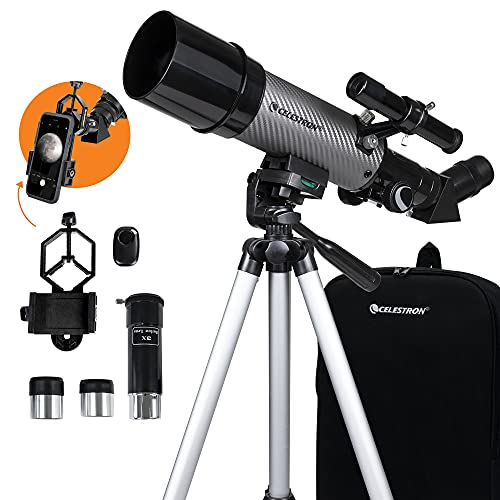
Ease of operation is paramount for astronomers, especially those navigating the complexities of the night sky.
The Celestron NexStar 130SLT comes equipped with a sturdy altazimuth mount that enables smooth movements in both horizontal and vertical axes.
Its Go-To functionality allows users to select specific objects from a vast database, prompting the telescope to automatically slew to the desired target—an invaluable feature for beginners and seasoned stargazers alike.
Recommended to our readers: Click here
In contrast, the Orion StarSeeker IV boasts a dual-arm fork mount that enhances stability during observation sessions.
Its intuitive handset guides users through alignment procedures, making stargazing a seamless endeavor.
Superior Mounting Systems for Precision Tracking
The sturdy altazimuth mount of the Celestron NexStar 130SLT is a standout feature that ensures smooth and precise movements in both the horizontal and vertical axes.
This type of mount allows for easy maneuvering of the telescope, making it ideal for tracking celestial objects like planets, galaxies, and star clusters.
The robust construction provides stability, reducing vibrations and ensuring steady views while observing.
The dual-arm fork mount of the Orion StarSeeker IV is designed to offer enhanced stability, which is crucial for maintaining accuracy during observation sessions.
This advanced mounting system provides a solid foundation for the telescope, minimizing any wobbling or shaking that could disrupt the viewing experience.
With the dual-arm design, the telescope achieves better balance, allowing for smoother tracking of celestial targets across the night sky.
Recommended to our readers: Click here
Intelligent Go-To Functionality for Effortless Stargazing
The Celestron NexStar 130SLT’s Go-To functionality sets it apart with its smart automation capabilities.
By choosing specific objects from a comprehensive database, users can simply input their desired target into the handset, and the telescope will automatically slew to the selected object.
This feature streamlines the process of locating and observing celestial bodies, making stargazing more accessible and enjoyable for astronomers of all skill levels.
On the other hand, the Orion StarSeeker IV’s intuitive handset takes users through alignment procedures seamlessly, ensuring that the telescope is accurately calibrated for precise tracking.
This user-friendly interface guides astronomers through the initial setup process, helping them align the telescope with the night sky effortlessly.
The combination of user-friendly controls and advanced technology simplifies the stargazing experience, allowing users to focus on exploring the wonders of the universe without the complexities of manual adjustments.
Unveiling the Universe: Imaging Capabilities and Portability
In the age of astrophotography, a telescope’s imaging capabilities can elevate the stargazing experience to new heights.
The Celestron NexStar 130SLT offers basic imaging capabilities that capture stunning snapshots of the Moon and bright planets.
While not designed for deep-sky astrophotography, it serves as an entry point for enthusiasts looking to dip their toes into celestial photography.
On the other hand, the Orion StarSeeker IV stands out with its advanced imaging features, allowing users to capture intricate details of deep-sky wonders like galaxies and nebulae.
Despite its bulkier build compared to the NexStar 130SLT, the StarSeeker IV remains portable enough for on-the-go stargazing adventures.
Imaging Capabilities Across Different Telescopes
When delving into the realm of astrophotography, the imaging capabilities of a telescope play a significant role in determining the quality of captured celestial images.
The Celestron NexStar 130SLT, while offering basic imaging functionalities, excels in capturing crisp and clear images of celestial bodies such as the Moon and prominent planets like Jupiter and Saturn.
Its user-friendly interface and straightforward operation make it an ideal choice for beginners and casual astronomers who wish to start exploring the world of capturing images of the night sky.
Contrastingly, the Orion StarSeeker IV extends the boundaries of astrophotography with its advanced imaging features.
This telescope is equipped to capture intricate details of deep-sky objects like distant galaxies, colorful nebulae, and star clusters with remarkable clarity.
The StarSeeker IV’s enhanced imaging capabilities open up a whole new vista of possibilities for astrophotography enthusiasts, allowing them to venture deeper into the cosmic landscape and reveal the unseen wonders of the universe through their photographs.
Portability for Stargazing Adventures
While both the Celestron NexStar 130SLT and the Orion StarSeeker IV offer excellent imaging capabilities, they differ in terms of portability, which can significantly impact users’ stargazing experiences.
The NexStar 130SLT boasts a compact and lightweight design, making it convenient for astronomers on the move.
Its portable nature allows users to set up the telescope quickly in different outdoor locations, enabling spontaneous stargazing sessions or impromptu astrophotography endeavors.
On the other hand, the Orion StarSeeker IV, although slightly bulkier than the NexStar 130SLT, remains portable enough to accompany users on their stargazing adventures.
Despite its larger size, the StarSeeker IV is designed for easy assembly and disassembly, ensuring that users can transport it to various observing sites without much hassle.
Whether embarking on a camping trip under the starry skies or attending a stargazing event in a remote location, the portability of the StarSeeker IV enhances the versatility of the telescope for astronomical exploration on the go.
A Celestial Symphony: Choosing Your Cosmic Companion
As astronomers embark on their celestial odyssey, the choice between the Celestron NexStar 130SLT and the Orion StarSeeker IV embodies a blend of functionality, performance, and personal preference.
The NexStar 130SLT appeals to beginners and intermediate users seeking a reliable telescope with solid optical performance and user-friendly controls.
Recommended to our readers: Click here
In contrast, the Orion StarSeeker IV caters to enthusiasts hungry for advanced features, higher magnification capabilities, and the allure of deep-sky imaging.
In the grand tapestry of the universe, each telescope shines with its own unique brilliance, offering astronomers a portal to the wonders of the cosmos.
Whether you find solace in the simplicity of the NexStar 130SLT or the sophistication of the StarSeeker IV, both telescopes serve as conduits for human curiosity and imagination—a reminder that in the vast expanse of space, the journey to the stars is as infinite as the stars themselves.
Recommended to our readers: Click here
Detailed Comparison of Features:
– Optical Performance: The Celestron NexStar 130SLT boasts a 130mm aperture and excellent light-gathering capabilities, making it a solid choice for observing planets, stars, and deep-sky objects with clarity and crispness.
On the other hand, the Orion StarSeeker IV offers advanced optics and higher magnification capabilities, allowing users to delve deeper into intricate details of celestial wonders.

– Ease of Use: The NexStar 130SLT is designed with user-friendly controls, making it ideal for beginners and intermediate astronomers who are just starting their journey into stargazing.
In contrast, the StarSeeker IV may have a steeper learning curve due to its advanced features, catering more to enthusiasts who are looking to expand their knowledge and skills in astronomy.
Performance in Different Viewing Scenarios:
– Planetary Observations: Both telescopes excel in observing planets within our solar system, offering sharp views of Jupiter’s bands, Saturn’s rings, and the intricate surface features of Mars.
The NexStar 130SLT provides a good balance of details and ease of use for planetary observations, while the StarSeeker IV with its higher magnification capabilities allows for closer inspection of planetary features.
– Deep-Sky Imaging: For those interested in capturing stunning images of deep-sky objects like galaxies, nebulae, and star clusters, the StarSeeker IV’s advanced features and capabilities for long-exposure astrophotography make it a compelling choice.
However, the NexStar 130SLT also holds its own for beginners venturing into astrophotography, offering a solid platform for capturing images of celestial objects.
Personal Preference and Customization:
– Aesthetics and Design: Beyond the technical specifications, personal preference plays a significant role in choosing a telescope.
Some astronomers might be drawn to the sleek design and compact form factor of the NexStar 130SLT, while others might appreciate the robust build and advanced features of the StarSeeker IV.
– Customization Options: Both telescopes offer room for customization and upgrades, allowing users to enhance their stargazing experience over time.
Whether it’s adding filters, upgrading eyepieces, or fine-tuning tracking capabilities, astronomers have the flexibility to tailor their telescopes to their specific needs and preferences.
Conclusion:
In the end, the choice between the Celestron NexStar 130SLT and the Orion StarSeeker