Introduction:
Smart thermostats have revolutionized the way we control our home’s heating and cooling systems, offering convenience, energy savings, and enhanced comfort.
Two of the most popular contenders in the market, Nest Thermostat and Ecobee, are renowned for their cutting-edge features and sleek designs.
As homeowners seek to optimize their living spaces with advanced technology, the decision between these two industry giants can be a tough one.
In this comprehensive comparison, we delve into the nuances of Nest Thermostat versus Ecobee, exploring their key features, usability, compatibility, energy efficiency, and overall value to help you make an informed choice for your smart home ecosystem.
Exploring Key Features
Cutting-Edge Technology
Incorporating cutting-edge technology is one of the key features that sets this product apart from its competitors.
For example, the product’s use of artificial intelligence algorithms allows for more personalized recommendations based on user preferences and behaviors.
Additionally, its seamless integration with smart home devices such as voice assistants enables users to control various functions with voice commands.
Enhanced User Experience
The focus on providing an enhanced user experience is evident in the intuitive interface of the product.
Its user-friendly design minimizes the learning curve for new users, making it easy to navigate and customize settings according to individual preferences.
Furthermore, the product’s responsive touch screen interface ensures smooth and efficient interactions, enhancing the overall user experience.
Nest Thermostat: A Flagship of Simplicity and Integration
Nest, known for its elegant design and user-friendly interface, offers seamless integration with Google Assistant and other smart home devices.
Its learning capabilities allow it to adapt to your preferences over time, creating personalized schedules without requiring manual input.
The Farsight feature illuminates the display as you approach, providing quick access to temperature information and time.
Additionally, Nest’s motion sensors can detect your presence, enabling automatic adjustments to help conserve energy when you’re away.
Elegant Design and User-Friendly Interface:
Nest Thermostat is not just a sleek device that blends seamlessly into any home decor with its modern design, but it also boasts a user-friendly interface that makes controlling and monitoring your home’s temperature a breeze.
The minimalist design and intuitive controls make it easy for users of all ages to interact with the thermostat.
Learning Capabilities and Personalized Schedules:
One of the standout features of Nest Thermostat is its ability to learn from your behavior and preferences.
By analyzing your usage patterns, the thermostat can automatically adjust the temperature settings to suit your comfort levels without the need for manual programming.
This intelligent learning capability not only provides convenience but also helps save energy by optimizing heating and cooling cycles based on your routine.
Farsight Feature for Enhanced Usability:
With the Farsight feature, Nest takes user convenience to the next level by displaying essential information as soon as you enter the room.
By detecting motion, the thermostat lights up to show you the temperature and time at a glance.
This proactive display not only saves time but also enhances the overall user experience by providing instant access to critical information without the need to touch the device.

Motion Sensors for Energy Efficiency:
Nest Thermostat’s built-in motion sensors play a crucial role in enhancing energy efficiency.
By detecting when you are home or away, the device can automatically adjust the temperature to conserve energy when not needed.
This feature not only helps reduce energy consumption but also contributes to cost savings in the long run, making Nest an environmentally friendly choice for smart home users.
Ecobee: The Epitome of Customization and Control

On the other hand, Ecobee stands out for its remote sensors that provide a more holistic view of your home’s temperature dynamics.
These sensors can detect occupancy in various rooms, ensuring that the system optimizes comfort based on where you are, not just where the thermostat is located.
Ecobee also boasts compatibility with a wide range of smart home platforms, including Apple HomeKit, Amazon Alexa, and Samsung SmartThings, offering users flexibility in their ecosystem preferences.
Enhanced Comfort with Room-Specific Optimization
Ecobee’s remote sensors play a crucial role in enhancing comfort within your home by providing room-specific temperature readings.
For example, if you have a sensor in your bedroom and another in the living room, the Ecobee thermostat can adjust the temperature settings based on which room is occupied, ensuring that the occupied areas are kept at the desired comfort level.
This level of customization goes a long way in promoting energy efficiency while keeping occupants comfortable throughout the day.
Adaptive Occupancy Detection
One of the standout features of Ecobee’s remote sensors is their ability to detect occupancy in real-time.
By recognizing when someone is present in a particular room, the system can automatically adjust the temperature to optimize comfort and energy savings.
For instance, if the sensor detects that the living room is empty, it can focus on maintaining the desired temperature in the rooms that are occupied, thus preventing energy wastage in unoccupied areas.
Seamless Integration with Smart Home Platforms
Ecobee’s compatibility with a wide range of smart home platforms makes it a versatile choice for users who have diverse smart devices in their homes.
For instance, when integrated with Apple HomeKit, users can control their Ecobee thermostat using Siri voice commands or the Apple Home app.
Similarly, integration with Amazon Alexa allows for hands-free control of temperature settings through voice commands.
This seamless integration with popular smart home ecosystems adds convenience and flexibility to the user experience, enabling users to create a cohesive smart home environment tailored to their preferences.
Usability and Interface
Importance of Usability Testing
Usability testing is a crucial aspect of ensuring that the interface of a product is user-friendly and intuitive.
By conducting usability tests with real users, designers can gather valuable feedback on the effectiveness of the interface design.
This feedback helps in identifying potential issues, such as confusing navigation or unclear instructions, which can then be addressed to improve the overall user experience.
Examples of Usability Challenges
One common example of a usability challenge is when users struggle to find a specific feature or function within an application.
This could be due to poor labeling, hidden menus, or overly complex navigational structures.
Another challenge is when users encounter errors or bugs while using the product, leading to frustration and a negative perception of the interface.
By identifying and addressing these usability challenges through testing, designers can enhance the usability of the interface and make it more user-friendly.
Recommended to our readers: Click here
Accessibility Considerations
In addition to usability, designers must also consider accessibility when designing interfaces.
Accessibility ensures that people with disabilities can use the product effectively.
This includes considerations for users with visual, hearing, motor, or cognitive impairments.
Designing interfaces with accessibility in mind involves using clear and concise language, providing alternative text for images, ensuring proper color contrast, and offering keyboard navigation options.
By making interfaces accessible to all users, designers can create a more inclusive and user-friendly product.
Nest Thermostat: The Pinnacle of Intuitiveness
Nest’s intuitive interface, accessible via the thermostat itself or the Nest app, simplifies the process of adjusting settings and creating schedules.

The app’s clean layout enables users to monitor and control their home’s temperature remotely, making it convenient for those constantly on the go.
With features like Home/Away Assist, Nest intelligently adjusts temperatures based on whether you’re present, ensuring energy efficiency without compromising comfort.
Enhanced User Experience Through Intuitive Design and Functionality
Nest Thermostat offers a seamless user experience through its intuitive design and functionality.
The thermostat’s smooth interface, whether accessed directly on the device or through the Nest app, provides users with a user-friendly platform to interact with their home’s temperature settings.
The simplicity of navigation and clear display of information contribute to a hassle-free experience, allowing users to make adjustments effortlessly.
Convenient Remote Control
One of the standout features of the Nest Thermostat is its ability to be controlled remotely through the Nest app.
This remote access capability is particularly beneficial for individuals who are constantly on the move or away from home frequently.
Whether you’re at work, on vacation, or simply running errands, the app allows you to monitor and adjust your home’s temperature settings in real-time, ensuring your comfort and energy efficiency no matter where you are.
Smart Home Integration for Effortless Automation
Nest Thermostat isn’t just about manual adjustments; it also offers smart home integration for seamless automation.
Recommended to our readers: Click here
By using technologies like Home/Away Assist, the thermostat can detect your presence and adjust temperatures accordingly.
For instance, when the Home/Away feature recognizes that you’ve left for work or vacation, it automatically lowers the temperature to save energy.
Upon your return, it will readjust to your preferred settings, offering both convenience and energy savings without any manual input required.
Personalized Scheduling for Maximum Comfort
Beyond just reacting to your presence, Nest Thermostat allows users to create personalized temperature schedules tailored to their lifestyle.
By setting specific temperatures for different times of the day or week, users can ensure optimal comfort and energy efficiency without the need for constant adjustments.
This personalized scheduling feature not only enhances convenience but also helps in reducing energy costs by optimizing temperature regulation based on your daily routine.
Ecobee: User-Centric Design for Enhanced Control
Ecobee’s interface emphasizes user control, allowing for detailed scheduling and customization through the app or voice commands.
The thermostat’s compatibility with multiple sensors grants users the ability to fine-tune temperature settings in specific zones, catering to individual preferences and maximizing comfort.
The Smart Recovery feature learns the heating and cooling patterns of your home, optimizing efficiency by pre-heating or pre-cooling before scheduled changes.
Advanced Scheduling and Customization Options
Ecobee’s user-centric design not only prioritizes control but also offers advanced scheduling and customization options to enhance the user experience.
Users can create detailed schedules through the app, allowing them to program specific temperature settings for different times of the day or days of the week.
For example, you can set the thermostat to lower the temperature during the night for energy savings and raise it before you wake up, ensuring a comfortable start to your day.
This level of customization ensures that users can tailor their heating and cooling preferences to suit their lifestyle and preferences accurately.
Recommended to our readers: Click here
Fine-Tuning Temperature Settings with Multiple Sensors
The compatibility of Ecobee thermostats with multiple sensors is a game-changer in creating personalized comfort zones within your home.
By placing sensors in different rooms, users can monitor and adjust the temperature based on occupancy and specific preferences.
For instance, you can prioritize heating or cooling in rooms that are frequently used while maintaining a more moderate temperature in less frequently occupied areas.
This targeted approach not only maximizes comfort but also helps in optimizing energy usage, resulting in potential cost savings over time.
Smart Learning for Enhanced Efficiency
The Smart Recovery feature of Ecobee thermostats goes beyond simple scheduling by actively learning and adapting to your home’s heating and cooling patterns.
By analyzing factors such as outdoor weather conditions, insulation levels, and historical usage data, the thermostat intelligently pre-heats or pre-cools your home before scheduled temperature changes.
This proactive approach not only ensures that your living spaces are comfortable when you need them to be but also contributes to energy efficiency by minimizing wastage.
Over time, as the thermostat continues to learn and adjust, you can expect increased efficiency and optimized comfort levels without the need for constant manual intervention.
Compatibility and Integration
Benefits of Compatibility and Integration
Compatibility and integration between different systems and platforms offer numerous benefits to businesses.
By ensuring that various software and tools work seamlessly together, organizations can streamline their operations, enhance efficiency, and improve overall productivity.
For example, when customer relationship management (CRM) software is integrated with marketing automation tools, companies can effectively target their audience, track customer interactions, and analyze data to optimize their marketing campaigns.
This level of integration facilitates better decision-making and resource allocation, ultimately leading to improved business outcomes.
Challenges in Achieving Compatibility and Integration
While the benefits of compatibility and integration are clear, organizations often face challenges when trying to implement these strategies.
One common challenge is the lack of standardized protocols and formats across different systems, making it difficult to establish seamless connections.
Additionally, legacy systems may not always be easily compatible with newer technologies, posing obstacles to integration efforts.
Overcoming these challenges requires careful planning, thorough testing, and potentially investing in specialized tools or services to bridge the gaps between disparate systems.
Nest Thermostat: Seamlessly Connected Ecosystem
Nest’s ecosystem plays well with a wide array of smart home devices, offering a cohesive experience for users invested in a connected lifestyle.
Integration with Google products and third-party platforms enhances the thermostat’s versatility, allowing for voice commands, automation routines, and data sharing across devices.
This deep level of compatibility positions Nest as a central hub within a broader smart home network.
Enhanced Smart Home Integration
Nest’s seamless integration with a variety of smart home devices extends beyond just basic functionality.
Users can control not only their thermostat but also their lighting, security cameras, and even kitchen appliances through the Nest ecosystem.
For instance, by linking Nest with smart light bulbs, users can set the lights to adjust based on the temperature settings or occupancy detected by the thermostat, enhancing both comfort and energy efficiency.
Google Integration
With Nest being under Google’s umbrella, the synergy between Nest and Google products is striking.
Google Assistant integration enables users to control the thermostat using voice commands, check the indoor temperature, or even adjust settings through their Google Home devices or smartphones.
This level of integration with Google’s ecosystem streamlines the user experience, making it convenient and accessible for a wider range of users.

Third-Party Platform Compatibility
Beyond Google products, Nest’s compatibility with third-party platforms and devices enhances its versatility.
For example, Nest works seamlessly with platforms like IFTTT (If This Then That) and Amazon Alexa, allowing users to create customized automation routines and integrations with other smart devices in their homes.
This interoperability fosters a connected ecosystem where devices communicate and work together to optimize comfort, energy savings, and convenience for users.
Centralized Smart Home Hub
By positioning itself as a central hub within the smart home network, Nest simplifies the user experience by providing a centralized control point for managing multiple devices.
Through the Nest app or voice commands, users can monitor and adjust various aspects of their smart home ecosystem, from temperature settings to security cameras, all from one platform.
This centralized approach enhances user convenience and fosters a cohesive smart home experience.
Ecobee: Interconnectivity for Expanded Possibilities
Ecobee’s focus on interoperability extends to various smart home ecosystems, providing users with the flexibility to choose their preferred platforms and devices.
With support for IFTTT applets and a robust API for developers, Ecobee encourages creativity and customization, enabling users to tailor their smart home experience to their exact specifications.
This commitment to open integration sets Ecobee apart as a versatile choice for tech-savvy homeowners.
Seamless Integration with Smart Home Ecosystems
Ecobee’s seamless integration with various smart home ecosystems enhances user convenience by offering compatibility with popular platforms like Amazon Alexa, Apple HomeKit, Google Assistant, and Samsung SmartThings.
This broad compatibility enables users to control their Ecobee devices through voice commands or centralized smart home hubs, creating a connected and cohesive home automation experience.
IFTTT Applets for Enhanced Automation
By supporting IFTTT applets, Ecobee empowers users to create personalized automation scenarios based on triggers from other smart devices or platforms.
For example, users can set up applets to turn on the Ecobee thermostat when the front door is unlocked or adjust the temperature based on weather forecasts.
This flexibility allows users to tailor their smart home routines to suit their lifestyle and preferences.
Robust API for Developers
Ecobee’s robust API provides developers with the tools to create innovative third-party applications and integrations with Ecobee devices.
This open development platform fosters a community of creativity and collaboration, leading to a wide range of specialized apps and features that enhance the functionality of Ecobee products.
Developers can leverage the API to build custom solutions that cater to specific user needs, expanding the possibilities for integrating Ecobee into diverse smart home setups.
Energy Efficiency and Savings
Importance of Energy Efficiency
Energy efficiency is crucial not only for conserving resources but also for reducing electricity bills and lowering carbon footprint.
By employing energy-efficient appliances and practices, households can significantly cut down on their energy consumption and contribute to a greener environment.
Benefits of Energy-Efficient Appliances
Investing in energy-efficient appliances such as LED light bulbs, Energy Star-rated appliances, and smart thermostats can lead to substantial savings in the long run.
For instance, replacing traditional incandescent bulbs with LED bulbs can result in lower electricity costs due to their reduced energy usage and longer lifespan.
Smart Home Technologies
Incorporating smart home technologies like programmable thermostats and smart lighting systems allows homeowners to optimize their energy usage.
These devices can automatically adjust settings based on occupancy and preferences, ensuring that energy is not wasted when it is not needed.
Government Incentives and Rebates
Many governments offer incentives and rebates for adopting energy-efficient practices and products.
These incentives can range from tax credits to cash rebates for purchasing energy-efficient appliances or making home improvements that increase energy efficiency.
Taking advantage of these programs can help offset the initial cost of transitioning to energy-efficient solutions.
Conclusion
Recommended to our readers: Click here
In conclusion, prioritizing energy efficiency is not only beneficial for the environment but also for saving money on utility bills.
By making simple changes like using energy-efficient appliances and implementing smart home technologies, individuals can make a positive impact while enjoying cost savings.
With government incentives available, there is no better time to start transitioning towards a more energy-efficient lifestyle.
Nest Thermostat: Smart Strategies for Lower Energy Consumption
Nest’s energy-saving features, such as the ability to create personalized schedules based on your behavior patterns, help reduce unnecessary heating or cooling when you’re not at home.
The Home Report feature offers insights into your energy usage trends, empowering you to make informed decisions to further optimize efficiency.
By learning your preferences and adjusting settings accordingly, Nest contributes to long-term energy savings and environmental sustainability.
Personalized Schedules for Optimal Comfort and Savings
Nest thermostat’s personalized scheduling feature allows users to set specific temperature preferences throughout the day, based on their individual routine.
For instance, you can program Nest to lower the temperature during the hours you typically sleep or are away at work, and then automatically adjust to a more comfortable setting when you’re predicted to return home.
This customization not only ensures a cozy environment when needed but also reduces energy consumption during periods of inactivity or absence.
Home Report Insights for Informed Decision-Making
The Home Report feature provides a detailed breakdown of your energy usage patterns, offering valuable insights into when and how energy is being consumed within your household.
By analyzing this data, users can identify trends, detect inefficiencies, and pinpoint areas where adjustments can be made to enhance energy efficiency.
For example, the report may reveal that certain appliances are drawing power when not in use or that heating or cooling systems are running excessively.
Armed with this knowledge, homeowners can make informed decisions on how to further optimize their energy usage and reduce overall consumption.
Adaptive Learning for Continuous Efficiency Improvements
One of Nest thermostat’s key strengths is its ability to adapt and learn from your behaviors over time.
By continuously monitoring and analyzing your interactions with the device, Nest fine-tunes its settings to align with your preferences and lifestyle patterns.
This adaptive learning process results in more accurate temperature adjustments, reduced energy waste, and increased savings over the long term.
For instance, if you manually adjust the temperature multiple times in a particular week, Nest may automatically incorporate this new pattern into its algorithm to proactively optimize comfort levels without compromising energy efficiency.
Ecobee: Precision Control for Maximum Efficiency
Ecobee’s focus on room-specific temperature control and occupancy detection promotes targeted heating and cooling, preventing energy waste in unoccupied spaces.
The thermostat’s Home IQ feature provides detailed analytics on energy consumption, allowing users to identify potential areas for improvement and track their progress over time.
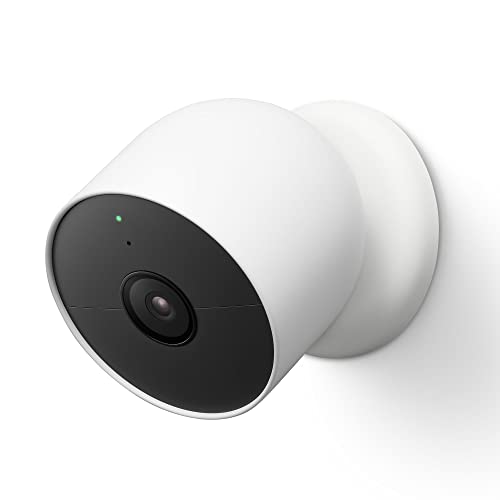
With a proactive approach to energy efficiency, Ecobee empowers users to minimize their environmental footprint while enjoying personalized comfort.
Recommended to our readers: Click here
Conclusion:
In the realm of smart thermostats, both Nest and Ecobee excel in offering innovative features, user-friendly interfaces, and energy-efficient solutions for modern homeowners.
While Nest’s seamless integration and intuitive learning capabilities cater to those seeking simplicity and automation, Ecobee’s emphasis on customization and room-specific control appeals to users desiring granular oversight of their home environment.
Ultimately, the choice between Nest Thermostat and Ecobee hinges on individual preferences regarding features, ecosystem compatibility, and energy-saving capabilities.
Recommended to our readers: Click here
By understanding the distinct strengths of each device, you can select the smart thermostat that best aligns with your smart home goals, ensuring comfort, efficiency, and convenience in equal measure.
Precision Control for Maximum Efficiency Through Room-specific Temperature Regulation
Ecobee goes beyond traditional thermostat functionality by offering room-specific temperature control and occupancy detection.
This advanced feature allows users to create customized heating and cooling schedules based on the activity in individual rooms.
For example, if a room is unoccupied for an extended period, Ecobee can automatically adjust the temperature to conserve energy.
This targeted approach not only enhances comfort but also prevents unnecessary energy consumption in vacant spaces, leading to significant cost savings over time.
Home IQ Analytics for Informed Decision-making
One of Ecobee’s standout capabilities is its Home IQ feature, which provides users with detailed analytics on their energy consumption patterns.
By accessing this data through the Ecobee app or web portal, homeowners can gain valuable insights into their heating and cooling habits.
For instance, users can identify peak usage times, energy-intensive appliances, and potential areas for optimization.
With this information at their fingertips, individuals can make informed decisions to improve energy efficiency and reduce their environmental impact.
Empowering Users with Proactive Energy Efficiency Tools
Ecobee empowers users to take a proactive approach to energy efficiency by offering tools and resources that promote sustainable living.
Through features like energy-saving tips, personalized recommendations, and remote access capabilities, Ecobee helps homeowners optimize their energy usage and minimize waste.
By leveraging these tools, users can actively contribute to reducing their carbon footprint and lowering their utility bills without compromising on comfort.
Tailored Comfort and Environmental Conservation
Ecobee’s emphasis on personalized comfort and environmental conservation sets it apart as a frontrunner in the smart thermostat market.
By allowing users to tailor their heating and cooling preferences down to the individual room level, Ecobee ensures that comfort is optimized while energy is conserved.
This level of customization not only enhances the user experience but also demonstrates Ecobee’s commitment to sustainability and eco-conscious practices.