Nest Protect vs First Alert Smoke Detector: Which One Keeps Your Home Safe?
In the realm of home safety, the debate between Nest Protect and First Alert smoke detectors has sparked a revolution in how we protect our loved ones and property.
These two top contenders have distinct features that set them apart in the market, leaving consumers puzzled on which one to choose.
Nest Protect, with its cutting-edge technology and connectivity, goes head-to-head with First Alert, a brand known for its reliability and longevity.
Let’s delve deeper into the key aspects of these devices to uncover which one excels in safeguarding your home from potential disasters.
Key Features of Nest Protect and First Alert Smoke Detectors:
Nest Protect stands out for its advanced technology, including features like app connectivity, voice alerts, and self-testing capabilities.
The device integrates seamlessly with other smart home systems, providing a comprehensive approach to home safety.
For example, Nest Protect can communicate with Nest Thermostats to shut off the HVAC system in case of a fire, potentially preventing the spread of smoke and flames.
On the other hand, First Alert smoke detectors are praised for their proven reliability and durability.
These devices often come with long-lasting batteries and are known to require minimal maintenance over time.
For instance, some models of First Alert detectors have a lifespan of up to 10 years, offering peace of mind to homeowners without the need for frequent battery replacements.
User-Friendly Interface and Installation Process:
Nest Protect’s user interface is designed to be intuitive and user-friendly, making it easy for homeowners to understand alerts and take action promptly.
The installation process for Nest Protect is also streamlined, with step-by-step instructions that guide users through the setup seamlessly.
Additionally, the device’s sleek design and variety of color options make it visually appealing and blend well with modern home decor.
In contrast, First Alert smoke detectors are applauded for their straightforward installation process that requires no advanced technical knowledge.
Recommended to our readers: Click here
These devices typically come with clear instructions and mounting hardware, allowing users to quickly set them up without complications.

The user interface of First Alert detectors is simple yet effective, providing audible alarms and LED indicators for easy monitoring of the device’s status.

Understanding the Technology Behind Nest Protect and First Alert Smoke Detectors
When comparing Nest Protect and First Alert smoke detectors, the underlying technology plays a crucial role in determining their effectiveness.
Nest Protect stands out for its innovative approach, utilizing advanced sensors and connectivity features.
With its ability to detect both smoke and carbon monoxide, Nest Protect provides comprehensive protection for your home.
The device is equipped with a split-spectrum sensor that can differentiate between fast-burning and smoldering fires, offering a more accurate response in emergency situations.
On the other hand, First Alert smoke detectors boast a solid reputation for reliability and durability.
These traditional detectors use photoelectric or ionization sensors to detect smoke particles in the air.
While they may lack the smart capabilities of Nest Protect, First Alert devices are known for their straightforward operation and long-lasting performance.
The choice between these two options ultimately comes down to personal preference and the level of technology integration you seek in your home safety system.
Advanced Sensor Technology in Nest Protect
Nest Protect’s split-spectrum sensor sets it apart from traditional detectors by being able to detect a wider range of fire types.
This technology allows the device to sense both fast-burning fires and slow, smoldering fires, providing more comprehensive coverage.
For example, the split-spectrum sensor can detect the smaller smoke particles produced by smoldering fires before they escalate into larger flames, giving occupants more time to evacuate safely.
This precision in fire detection can make a significant difference in emergency situations, especially when every second counts.
Recommended to our readers: Click here
Connectivity Features of Nest Protect

In addition to its advanced sensors, Nest Protect offers connectivity features that enhance its overall effectiveness.
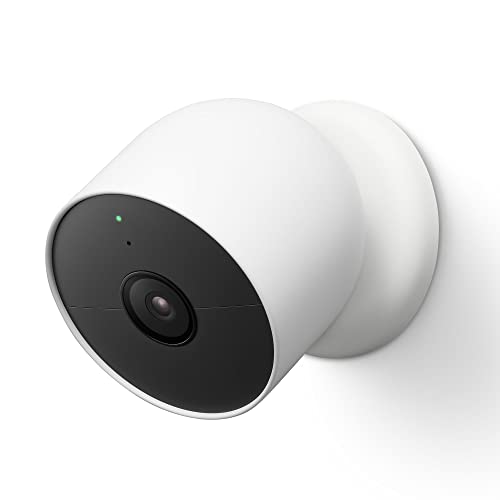
The device can communicate with other Nest products in your home, such as thermostats and cameras, creating a networked safety ecosystem.
For instance, if Nest Protect detects smoke or carbon monoxide, it can trigger your Nest thermostat to shut off the HVAC system, preventing the circulation of harmful fumes.
This interconnected approach to home safety illustrates how smart technology can not only detect emergencies but also take proactive measures to mitigate risks.
Reliability and Longevity of First Alert Detectors
While Nest Protect excels in leveraging cutting-edge technology, First Alert smoke detectors are known for their tried-and-tested reliability.
These traditional detectors have a track record of durability and longevity, with many models boasting extended lifespan and minimal maintenance requirements.
For households seeking a dependable and straightforward solution to fire detection, First Alert devices offer peace of mind without the complexities of smart home integration.
The simplicity and robustness of these detectors make them a popular choice for those prioritizing consistent protection over smart functionalities.
Personalizing Your Home Safety System
Ultimately, choosing between Nest Protect and First Alert smoke detectors depends on your individual needs and preferences.
Consider your comfort level with technology, desired level of automation, and budget constraints when deciding which option aligns best with your priorities.
Whether you prioritize the advanced sensor technology and connectivity features of Nest Protect or the reliability and longevity of First Alert detectors, both options are designed to keep your home safe from fire hazards.
By understanding the distinct strengths of each device, you can tailor your home safety system to meet your specific requirements and ensure optimal protection for your household.
User-Friendly Features: Nest Protect’s Connectivity vs First Alert’s Simplicity
One of the key selling points of Nest Protect is its seamless integration with other smart home devices.
Through the Nest app, users can receive real-time alerts on their smartphones, allowing them to monitor their home’s safety even when they are away.
Nest Protect also offers voice alerts that clearly communicate the nature of the threat, providing added peace of mind for users.
Additionally, the device undergoes automatic self-checks to ensure it is functioning correctly, reducing the likelihood of false alarms.
In contrast, First Alert smoke detectors focus on simplicity and ease of use.
These detectors are designed to be straightforward to install and maintain, making them ideal for users who prefer a more traditional approach to home safety.
Recommended to our readers: Click here
While they may not offer the same level of connectivity as Nest Protect, First Alert devices are renowned for their longevity, with some models boasting a lifespan of up to ten years.
For homeowners looking for a reliable, no-fuss smoke detector, First Alert remains a popular choice.
Nest Protect’s Smart Home Integration
Nest Protect’s connectivity extends beyond just real-time alerts and voice alerts.
Users can customize the device to interact with other smart home devices, creating a more holistic approach to home safety.
For example, Nest Protect can work in tandem with smart lights to flash warnings in case of an emergency, or even trigger a smart camera to record footage when smoke or carbon monoxide is detected.
This level of integration not only enhances safety but also adds convenience for users seeking a comprehensive smart home ecosystem.
First Alert’s User-Friendly Design
First Alert smoke detectors may lack the advanced connectivity features of Nest Protect, but they are lauded for their user-friendly design.
These devices come with clear installation instructions and maintenance guidelines, making them accessible to homeowners of all technical abilities.
The straightforward nature of First Alert products ensures that users can quickly set up and operate their smoke detectors without the need for extensive technical knowledge or additional accessories.
For those who prioritize simplicity and reliability in their home safety devices, First Alert offers a dependable solution.
Longevity and Cost-Effectiveness
In addition to their ease of use, First Alert smoke detectors stand out for their impressive longevity and cost-effectiveness.
With a lifespan of up to ten years, these detectors require minimal maintenance and replacement, saving users both time and money in the long run.
The durability of First Alert devices also means that homeowners can rely on consistent performance without the hassle of frequent battery changes or system upgrades.
This emphasis on long-lasting quality further solidifies First Alert’s reputation as a trusted brand in the realm of home safety.
Design and Aesthetics: Nest Protect’s Stylish Appeal vs First Alert’s Classic Look
Beyond functionality, the design and aesthetics of smoke detectors can also influence consumers’ purchasing decisions.
Nest Protect sets itself apart with its modern and sleek design, featuring a smooth, circular shape that blends seamlessly into any home decor.
The device comes in both white and black color options, allowing users to choose the one that best complements their interior design scheme.
Recommended to our readers: Click here
Nest Protect’s attention to detail extends to its LED ring, which changes color to indicate different alert levels, adding a touch of sophistication to the device.
In comparison, First Alert smoke detectors sport a more traditional design, with a focus on practicality and sturdiness.
These detectors typically feature a rectangular shape and come in neutral colors like white or beige.
While they may not be as visually striking as Nest Protect, First Alert devices prioritize functionality over aesthetics, ensuring that they perform their core safety functions effectively.
For homeowners who prioritize reliability and longevity, the classic look of First Alert smoke detectors may be more appealing.
Recommended to our readers: Click here
Materials and Textures:
When it comes to material choices, Nest Protect uses high-quality plastic materials that provide a premium feel and a modern look.
The smooth finish and seamless construction of the device enhance its overall aesthetics.
In contrast, First Alert smoke detectors are often made of durable plastic or metal, focusing on strength and longevity rather than delivering a luxurious appearance.
The textural differences between these two options can significantly impact how they fit into different home environments.
Size and Mounting Options:
Nest Protect’s compact size makes it easy to install in various locations around the house without being obtrusive.
Its sleek profile allows for flexible mounting options, whether on the ceiling or wall, ensuring that it blends harmoniously with different room layouts.
First Alert detectors, on the other hand, might be bulkier in comparison, catering to those who prefer a more traditional and prominent smoke detection presence in their homes.
Customization and Smart Features:
Nest Protect goes a step further in catering to tech-savvy consumers by offering smart features such as mobile alerts, voice alerts, and interconnectivity with other smart home devices.
Its modern design is not just about aesthetics but also about incorporating cutting-edge technology seamlessly into the user’s lifestyle.
First Alert, while more focused on the fundamental safety aspects, may not offer the same level of customization or smart integrations, appealing to users who prefer straightforward functionality without complex digital interactions.
Environmental Sustainability:
Recommended to our readers: Click here
In today’s eco-conscious world, the materials and manufacturing processes used in smoke detectors are becoming increasingly important considerations for consumers.
Nest Protect stands out for its sustainable initiatives, utilizing environmentally friendly materials and packaging, and promoting a more energy-efficient operation.
On the other hand, First Alert, although reliable and durable, might not emphasize eco-friendly practices as prominently in its product design and production processes.
This aspect could sway environmentally conscious buyers towards Nest Protect for both its design and sustainability efforts.
Long-Term Aesthetics:
Considering the long-term aesthetic appeal of smoke detectors is essential for homeowners looking to invest in a durable and visually pleasing option for their living spaces.
Nest Protect’s timeless and elegant design ensures that it remains a stylish addition to the home over the years, complementing evolving decor trends.
In contrast, while the classic look of First Alert detectors may suit more traditional settings, some users might find that their appearance becomes dated over time as design preferences shift towards sleeker and more modern styles.
By delving deeper into the materials, sizes, smart features
Pricing and Value: Finding the Right Balance Between Cost and Features
When it comes to purchasing a smoke detector, finding the right balance between cost and features is essential.
Nest Protect, with its cutting-edge technology and smart capabilities, comes at a premium price point compared to traditional smoke detectors like First Alert.
While Nest Protect offers advanced features like smartphone alerts and self-checks, the higher cost may deter budget-conscious consumers.
However, for those who value the added benefits of connectivity and smart home integration, the investment in Nest Protect can provide long-term peace of mind.
On the other hand, First Alert smoke detectors offer a more budget-friendly option for homeowners seeking basic smoke detection functionality.
With a range of models available at different price points, First Alert provides a cost-effective solution for those looking to upgrade their home safety system without breaking the bank.
While these detectors may lack the high-tech features of Nest Protect, they excel in reliability and durability, making them a practical choice for many households.
Factors to Consider when Balancing Cost and Features

Choosing between a premium smoke detector like Nest Protect and a more budget-friendly option like First Alert involves weighing various factors beyond just the price tag.
Here are some key considerations to keep in mind when finding the right balance between cost and features:
Advanced Features of Nest Protect
Nest Protect differentiates itself from traditional smoke detectors with its cutting-edge technology and smart capabilities.
For example, it offers features such as smartphone alerts that notify users of potential dangers even when they’re away from home.
Additionally, Nest Protect conducts self-checks to ensure that it’s functioning correctly, providing users with added peace of mind.
Benefits of Smart Home Integration
One of the significant advantages of investing in Nest Protect is its compatibility with smart home systems.
This integration allows users to create a more interconnected and responsive home environment where devices work together seamlessly.
For tech-savvy homeowners looking to automate their safety and security systems, Nest Protect can be a valuable addition to their smart home setup.
Practicality and Reliability of First Alert
While First Alert smoke detectors may lack the high-tech features of Nest Protect, they excel in terms of reliability and durability.
These detectors are designed to perform efficiently in detecting smoke and fire, which is essential for ensuring the safety of a household.
Moreover, First Alert offers a range of models at different price points, making it accessible to a broader range of consumers seeking to enhance their home safety.
Customizing Your Home Safety Solution
Ultimately, the decision between Nest Protect and First Alert boils down to individual preferences and priorities.
Homeowners must consider their specific needs, budget constraints, and the level of technology integration they desire when making this choice.
By customizing their home safety solution based on these factors, consumers can find the right balance between cost and features that best suits their lifestyle.
Conclusion: Making an Informed Choice for Your Home Safety Needs
In the debate between Nest Protect and First Alert smoke detectors, the decision ultimately comes down to your individual priorities and preferences.
If you value cutting-edge technology and seamless connectivity, Nest Protect may be the ideal choice for enhancing your home safety system.
With its innovative features and smart capabilities, Nest Protect offers a comprehensive solution for detecting smoke and carbon monoxide threats.
On the other hand, if reliability, simplicity, and longevity are your top priorities, First Alert smoke detectors stand out for their proven track record and durability.
These traditional detectors may lack the bells and whistles of smart devices like Nest Protect, but they excel in providing essential smoke detection functions at an affordable price point.
Whichever option you choose, investing in a quality smoke detector is essential for safeguarding your home and loved ones from potential fire hazards.
Whether you opt for the advanced technology of Nest Protect or the dependable performance of First Alert, prioritizing home safety is a decision that can bring you peace of mind for years to come.
Key Factors to Consider
When weighing the choice between Nest Protect and First Alert smoke detectors, it’s crucial to consider some key factors that can influence your decision-making process.
Take into account factors such as the size of your living space, the specific features you prioritize, and your budgetary constraints.
For instance, if you have a larger home with multiple levels, you may benefit more from the interconnected capabilities of Nest Protect to ensure comprehensive coverage.
On the other hand, if you are looking for a straightforward, budget-friendly option for a smaller living space, a First Alert smoke detector could meet your needs effectively.
Nest Protect: Advanced Technology and Integration
Nest Protect is renowned for its cutting-edge technology that goes beyond traditional smoke detectors.
For example, its ability to differentiate between types of smoke or carbon monoxide alarms can help reduce false alarms and provide more accurate alerts in emergencies.
Additionally, the seamless integration with other smart home devices, such as thermostats or security cameras, can enhance your overall home safety system.
This interconnected approach allows for a more holistic approach to monitoring and managing potential hazards.
First Alert: Reliability and Longevity
While Nest Protect shines in terms of innovation, First Alert smoke detectors excel in reliability and longevity.
With a strong reputation built over decades in the industry, First Alert devices have a track record of dependable performance and durability.
These traditional detectors may not offer fancy features like Wi-Fi connectivity or app control, but they are designed to do one thing exceptionally well: detect the presence of smoke and carbon monoxide reliably.
This simplicity can be appealing for those who prioritize a straightforward, no-frills approach to home safety.
Investing in Peace of Mind
Ultimately, the choice between Nest Protect and First Alert smoke detectors boils down to what matters most to you in ensuring the safety of your home and loved ones.
Investing in a quality smoke detector is not just about meeting the basic requirement of having a detection device; it’s about establishing a sense of security and peace of mind.
Whether you opt for the advanced technology of Nest Protect or the tried-and-true reliability of First Alert, making an informed decision can provide a lasting impact on the safety and well-being of your household.