Lodge Cast Iron vs Le Creuset Dutch Oven: A Culinary Clash of Titans
Nestled in the heart of every kitchen, the choice between Lodge Cast Iron and Le Creuset Dutch ovens has sparked culinary debates for decades.
Recommended to our readers: Click here
These iconic cookware brands represent the apex of craftsmanship, durability, and style, each with its devoted following of home cooks and professional chefs.
So, let’s embark on a gastronomic journey to unravel the nuances and distinctions between these two kitchen essentials.
History and Legacy
Both Lodge Cast Iron and Le Creuset Dutch ovens have rich histories that date back to the 20th century.
Lodge Cast Iron, founded in 1896 in Tennessee, has been a staple in American households for generations.
Its rustic appeal and robust construction have earned it a cult-like following among outdoor enthusiasts and traditional cooks alike.
On the other hand, Le Creuset, a French brand established in 1925, is synonymous with luxury and elegance in the culinary world.
The signature vibrant enamel colors of Le Creuset Dutch ovens have become iconic in kitchen decor, adding a touch of sophistication to any cooking space.
Craftsmanship and Construction
Recommended to our readers: Click here
When it comes to craftsmanship, both brands excel in their own unique ways.
Recommended to our readers: Click here
Lodge Cast Iron’s rugged, no-frills design is perfect for those who appreciate a more rustic and handcrafted aesthetic.
Its cast iron construction is known for its ability to distribute heat evenly, making it ideal for slow-cooking stews and braises.
On the other hand, Le Creuset’s Dutch ovens boast a smooth, enameled interior that not only prevents food from sticking but also adds a pop of color to your kitchen.
The meticulous attention to detail in Le Creuset’s manufacturing process ensures that each piece is not only functional but also a work of art.
Versatility and Functionality
Both Lodge Cast Iron and Le Creuset Dutch ovens are renowned for their versatility in the kitchen.
While Lodge Cast Iron is celebrated for its ability to sear, sauté, bake, and fry with ease, Le Creuset Dutch ovens shine in slow-cooking dishes that require precise temperature control.
The tight-fitting lids of Le Creuset Dutch ovens trap moisture and flavor during cooking, resulting in tender and juicy meals every time.
Whether you’re making a hearty beef stew or a delicate risotto, both brands offer the functionality and performance needed to elevate your culinary creations.
Opening the Lid: A Tale of Tradition and Innovation
In the realm of cast iron cookware, Lodge Cast Iron and Le Creuset stand as stalwarts with distinct legacies.
Lodge, a quintessential American brand founded in 1896, epitomizes the rustic charm of Southern cooking with its rugged, no-nonsense approach to cast iron craftsmanship.
On the other hand, Le Creuset, a French connoisseur since 1925, exudes elegance and sophistication, blending timeless design with cutting-edge innovation.
Both Lodge and Le Creuset dutch ovens boast a rich heritage of culinary excellence, passed down through generations of cooks.
While Lodge embodies the rugged spirit of the American frontier, Le Creuset symbolizes the artistry and finesse of French cuisine.
The cultural nuances embedded in each brand resonate with cooks worldwide, shaping the very essence of their culinary creations.
Legacy of Lodge Cast Iron:
Lodge Cast Iron, with its roots firmly planted in American history, has become synonymous with hearty, comforting meals that evoke images of family gatherings and outdoor cooking adventures.
The brand’s commitment to quality and durability is evident in its traditional manufacturing processes that have remained largely unchanged for over a century.
Lodge’s skillets, griddles, and dutch ovens have become cherished heirlooms, passed down from one generation to the next, each one seasoned with a story of culinary tradition and nostalgia.
The Timeless Charm of Le Creuset:
Le Creuset, on the other hand, represents a fusion of classic French aesthetics and modern culinary technology.
The brand’s iconic enameled cast iron cookware is not only a practical tool in the kitchen but also a statement piece that adds a touch of elegance and luxury to any culinary setting.
Known for its vibrant colors and sleek designs, Le Creuset seamlessly marries form and function, catering to home cooks and professional chefs alike who seek to elevate their cooking experience with a touch of sophistication.
Craftsmanship and Innovation:
While Lodge Cast Iron prides itself on its steadfast adherence to traditional manufacturing techniques, Le Creuset has set itself apart by continuously pushing the boundaries of culinary innovation.
From introducing new colors to implementing advanced coating technologies, Le Creuset has remained at the forefront of cookware design, constantly reimagining its products to meet the evolving needs and preferences of today’s cooks.
This delicate balance between honoring the past and embracing the future is what sets these two brands apart and makes them indispensable in the kitchens of culinary enthusiasts worldwide.
Cultural Significance and Global Appeal:
The cultural significance of Lodge Cast Iron and Le Creuset transcends borders, resonating with cooks around the world who appreciate the rich tapestry of flavors and traditions encapsulated in each piece of cookware.
Whether it’s a classic Lodge skillet used to sear a perfect steak or a vibrant Le Creuset dutch oven simmering a traditional French Coq au Vin, these brands have become ambassadors of culinary heritage, spreading the joy of cooking and sharing meals across diverse cultures and communities.
The Battle of Material: Cast Iron vs Enameled Cast Iron
At the heart of the Lodge vs.
Le Creuset showdown lies the battle of materials: traditional cast iron versus enameled cast iron.
Lodge’s classic cast iron dutch ovens are seasoned to perfection, offering a natural, non-stick surface that improves with each use.
Their raw, uncoated interiors develop a patina over time, enhancing the flavor profile of dishes and imparting a unique character to every meal.
Recommended to our readers: Click here
In contrast, Le Creuset’s enameled cast iron dutch ovens feature a vibrant, chip-resistant enamel coating that not only adds a pop of color to the kitchen but also provides easy maintenance and versatility.
The porcelain enamel interiors of Le Creuset dutch ovens prevent seasoning and offer a sleek, non-reactive surface ideal for acidic dishes like tomato-based sauces and stews.
Benefits of Seasoned Cast Iron:

Seasoned cast iron offers a time-tested cooking surface that is naturally non-stick and gradually becomes more slick with each use.
Lodge’s classic cast iron dutch ovens have interiors that are seasoned with vegetable oil at the foundry, creating a durable coating that can withstand high cooking temperatures without any synthetic chemicals or coatings.
This seasoning process also helps in the development of a rich patina over time, resulting in a unique flavor enhancement to dishes cooked in these pots.
The patina acts as a natural barrier between the iron and the food, preventing sticking and promoting easy release.
Versatility and Durability of Enameled Cast Iron:
Le Creuset’s enameled cast iron dutch ovens offer a different set of benefits with their colorful and chip-resistant enamel coating.
The enamel exterior not only adds a visual appeal to the kitchen but also provides a durable and easy-to-clean surface.
The porcelain enamel interiors of Le Creuset pots are non-reactive, making them ideal for cooking acidic dishes like tomato-based sauces, soups, and stews.
The smooth, impermeable surface of enameled cast iron prevents the need for seasoning, making it a convenient option for home cooks who prefer low-maintenance cookware.
Additionally, the enamel coating protects the cast iron core from rusting, ensuring the longevity of the pot.
Cooking Differences and Considerations:
When cooking with seasoned cast iron, there is a slight learning curve involved as users need to be mindful of maintaining the seasoning by avoiding harsh cleaning methods or acidic ingredients that can break down the patina.
On the other hand, enameled cast iron eliminates the need for seasoning and provides a more forgiving cooking surface that is easy to clean and maintain.
Recommended to our readers: Click here
The choice between the two materials ultimately comes down to personal preference, cooking habits, and desired aesthetic in the kitchen.
The Heat Conundrum: Retention vs Even Distribution
When it comes to heat retention and distribution, Lodge cast iron excels in holding on to heat for extended periods, making it ideal for slow-cooked braises and stews.

The thick walls and lids of Lodge dutch ovens ensure that heat is evenly dispersed, creating a conducive environment for tenderizing tough cuts of meat and simmering flavors to perfection.
Le Creuset, with its enameled surface, boasts superior heat distribution, ensuring that food cooks evenly without hot spots.
The smooth enamel interiors of Le Creuset dutch ovens allow for precise temperature control, making them versatile for a wide range of cooking techniques, from searing to baking.
Recommended to our readers: Click here
While Lodge shines in heat retention, Le Creuset offers precise heat management—a culinary conundrum for aspiring chefs.
The Role of Material Composition in Heat Retention and Distribution
The material composition of Lodge cast iron plays a crucial role in its exceptional heat retention capabilities.
Cast iron is known for its ability to hold on to heat for extended periods, ensuring that dishes stay warm even after being removed from the heat source.
This feature makes it perfect for slow-cooking methods like braising and stewing, where maintaining a consistent temperature is key to achieving tender, flavorful results.
Le Creuset’s enameled surface, on the other hand, contributes significantly to its superior heat distribution properties.
The enamel coating helps spread heat evenly across the cooking surface, eliminating hot spots that can lead to uneven cooking.
This even distribution of heat is essential for ensuring that ingredients cook uniformly, resulting in perfectly cooked dishes every time.
Practical Applications in Cooking Techniques
To understand the practical implications of heat retention and distribution in cooking, consider the following examples:
– Lodge cast iron dutch ovens are excellent for long, slow-cooked recipes such as hearty stews and pot roasts.
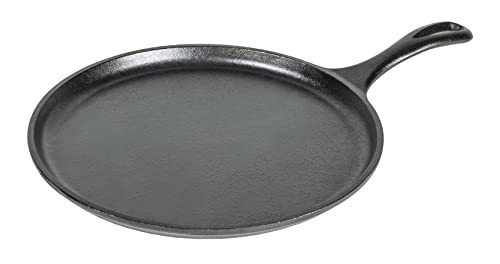
The thick walls and heavy lids of Lodge cookware trap heat effectively, allowing tough cuts of meat to break down slowly and develop rich, complex flavors over time.
– In contrast, Le Creuset dutch ovens with their enameled interiors are versatile for a variety of cooking techniques.
The precise heat distribution provided by the enamel coating makes them ideal for tasks like searing meats or baking bread, where consistent heat throughout the cooking process is crucial for achieving the desired results.
Finding the Right Balance in Cooking Tools
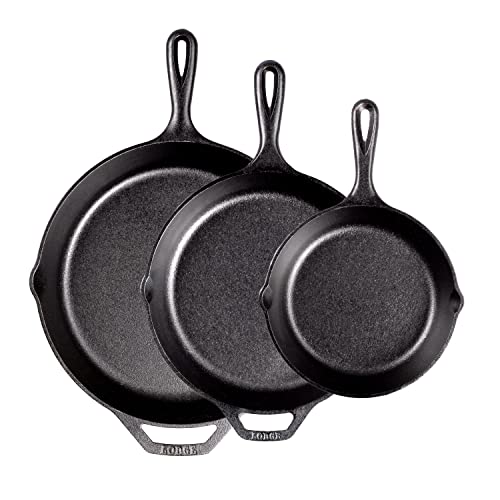
For aspiring chefs and home cooks alike, the choice between heat retention and even distribution ultimately comes down to personal cooking preferences and the types of dishes they enjoy preparing.

Some may value the convenience of precise temperature control offered by Le Creuset, while others may prefer the rustic charm of Lodge cast iron for traditional slow-cooked recipes.
Finding the right balance between heat retention and distribution in your cooking tools can elevate your culinary creations and enhance your overall cooking experience.
Experimenting with different cookware options and understanding how they impact the outcome of your dishes can help you develop your own unique cooking style tailored to your preferences and culinary goals.
Aesthetics and Artistry: Form meets Function
Beyond culinary prowess, Lodge and Le Creuset dutch ovens are revered for their aesthetic appeal and design sensibilities.
Lodge’s rugged, black cast iron finish evokes a sense of nostalgia for traditional, home-cooked meals, resonating with those who cherish the authenticity of cast iron cookware.
The no-frills design of Lodge dutch ovens hearkens back to a simpler time when cooking was a labor of love.
In contrast, Le Creuset’s colorful array of enameled dutch ovens transforms the kitchen into a vibrant canvas of culinary creativity.
From classic French blue to fiery cherry red, Le Creuset’s signature hues add a touch of whimsy and elegance to any culinary creation.
The marriage of form and function in Le Creuset dutch ovens exemplifies the brand’s commitment to elevating the culinary experience through design.
Traditional Appeal of Lodge Dutch Ovens
Lodge dutch ovens not only offer exceptional cooking performance but also exude a traditional charm that resonates with users.
The rugged, black cast iron finish of Lodge dutch ovens harks back to a bygone era when meals were lovingly prepared in cast iron pots over open flames.
This nostalgic aesthetic not only adds a touch of warmth to the kitchen but also serves as a reminder of simpler times when families gathered around the hearth for hearty, homemade meals.
The classic look of Lodge dutch ovens is a testament to the enduring appeal of traditional cookware that has stood the test of time.
Elegance and Versatility of Le Creuset Colors
Le Creuset dutch ovens are renowned for their vibrant enameled finishes, which elevate the visual appeal of any kitchen.
The brand’s extensive range of colors, from the iconic French blue to bold cherry red and sunny yellow, offers home cooks a variety of options to complement their kitchen decor or express their personal style.
Each color in Le Creuset’s palette is carefully chosen to evoke a specific mood or ambiance – whether it be a serene and sophisticated atmosphere with muted tones or a lively and playful vibe with bright hues.
The beauty of Le Creuset’s color choices lies in their ability to transform a simple cooking vessel into a statement piece that exudes elegance and versatility in equal measure.
Conclusion: A Feast of Choices
In the timeless debate of Lodge Cast Iron vs.
Le Creuset Dutch Oven, there is no clear winner—only a feast of choices for discerning cooks seeking the perfect blend of tradition, innovation, performance, and style.
Whether you gravitate towards Lodge’s rugged allure or Le Creuset’s refined elegance, both brands offer a gateway to a culinary realm where artistry and craftsmanship converge.
So, the next time you lift the lid of your dutch oven to reveal a simmering masterpiece, remember that behind every sizzle and stir lies a legacy of culinary excellence embodied by Lodge and Le Creuset.
Choose wisely, cook passionately, and savor the flavors of tradition and innovation that these iconic brands bring to your table.
Tradition Meets Innovation: A Closer Look
When examining the perennial dilemma of Lodge Cast Iron versus Le Creuset Dutch Oven, it becomes apparent that each brand stands as a paragon of blending tradition with innovation in the kitchen.
Lodge’s history dates back to 1896, with its time-honored cast iron cookware enduring through generations, while Le Creuset, established in 1925, revolutionized home cooking with its vibrant enameled Dutch ovens.
Both brands epitomize the marriage of age-old culinary techniques with modern advancements, providing cooks with tools that honor the past while embracing the future of cooking.
Performance at a Glance: Unveiling the Capabilities
Delving deeper into the comparison, one cannot overlook the distinct performance factors that differentiate Lodge Cast Iron from Le Creuset Dutch Ovens.
While Lodge’s cast iron cookware boasts even heat distribution and exceptional heat retention, ideal for searing, braising, and baking, Le Creuset’s enameled cast iron offers superior heat retention and resistance to acidic foods, serving as a versatile workhorse in the kitchen.
Each brand’s unique strengths cater to diverse cooking styles and preferences, presenting a myriad of cooking possibilities for culinary enthusiasts of all levels.
Style Showdown: Defining Your Culinary Aesthetic
Beyond functionality, the aesthetic appeal of Lodge and Le Creuset products adds another layer to the decision-making process for discerning cooks.
Lodge’s rugged, no-fuss design exudes a rustic charm that resonates with traditionalists and outdoor cooking aficionados, while Le Creuset’s elegant, colorful enameled finishes bring a touch of sophistication to any kitchen decor.
Whether you lean towards the rustic authenticity of Lodge or the chic elegance of Le Creuset, your choice of cookware becomes a statement of your culinary aesthetic and personal style in the kitchen.
Epitome of Craftsmanship: Nurturing Culinary Excellence
As you savor the delectable creations simmering inside your dutch oven, it’s essential to appreciate the craftsmanship and dedication embodied by Lodge and Le Creuset.
Behind each piece of cookware lies a legacy of meticulous craftsmanship, passed down through generations of artisans committed to upholding standards of quality and excellence.
By choosing Lodge or Le Creuset, you not only invest in premium cookware but also align yourself with a tradition of culinary mastery that elevates your cooking experience to new heights of artistry and flavor.