Exploring the Realm of Telescopes: Celestron Omni XLT 150 vs Orion StarMax 127
Stargazing has been a fascination for humanity since time immemorial, and telescopes have played a pivotal role in unraveling the mysteries of the night sky.
In the realm of amateur astronomy, Celestron and Orion are two prominent brands known for crafting top-notch telescopes that cater to both beginners and seasoned stargazers.
In this feature, we delve into a comparative analysis between two popular models – the Celestron Omni XLT 150 and the Orion StarMax 127 – to help enthusiasts make an informed decision based on their unique preferences and requirements.
Importance of Telescopes in Stargazing:
Telescopes have been instrumental in expanding our knowledge of the universe and enabling us to observe celestial phenomena that are otherwise invisible to the naked eye.
They offer a closer look at the moon, planets, stars, galaxies, and nebulae, allowing enthusiasts to explore the intricacies of the cosmos right from their backyard.
Evolution of Celestron and Orion Telescopes:
Celestron and Orion have a rich history of producing high-quality telescopes that have evolved over the years to incorporate cutting-edge technologies and innovations.
Both brands have a loyal following within the astronomy community, with a wide range of telescopes catering to various skill levels and interests.
Features of the Celestron Omni XLT 150:
The Celestron Omni XLT 150 is a refractor telescope renowned for its superior optics and high-quality construction.
With a generous aperture size of 150mm, this telescope offers impressive light-gathering capabilities, making it ideal for observing deep-sky objects such as galaxies and star clusters.
The XLT optical coatings enhance contrast and brightness, providing sharp and detailed views of celestial wonders.
Recommended to our readers: Click here
Features of the Orion StarMax 127:
In contrast, the Orion StarMax 127 is a Maksutov-Cassegrain telescope known for its compact design and portability.
Despite its smaller aperture size of 127mm, the StarMax 127 delivers remarkable performance, particularly in planetary observation.
The Maksutov-Cassegrain design ensures a long focal length in a compact tube, resulting in crisp, high-contrast views of planets like Jupiter, Saturn, and Mars.
Considerations for Choosing Between the Models:
When selecting between the Celestron Omni XLT 150 and the Orion StarMax 127, enthusiasts should consider factors such as intended use, portability, ease of setup, optical performance, and budget constraints.
The Omni XLT 150 may appeal to those seeking deep-sky objects and brighter views, while the StarMax 127 could be favored by individuals prioritizing planetary observation and compactness for on-the-go stargazing adventures.
A Glance at the Celestron Omni XLT 150
The Celestron Omni XLT 150, part of Celestron’s esteemed XLT series, is a refractor telescope renowned for its superior optics and versatile performance.
Boasting a 150mm aperture and a focal length of 750mm, this telescope offers crisp, high-resolution views of celestial objects, making it a favorite among astronomers keen on detailed observations of the moon, planets, and deep-sky wonders.
Superior Optics for Stunning Views
The Celestron Omni XLT 150 features high-quality optics that enhance the observer’s viewing experience.
With its 150mm aperture and multi-coated lenses, this telescope gathers ample light and minimizes glare and distortion, resulting in sharp and clear images.
Whether you are studying the intricate surface features of the moon or capturing the subtle hues of a planetary nebula, the Omni XLT 150 delivers exceptional optical performance that will impress even seasoned stargazers.
Versatile Performance for Various Observations
One of the standout features of the Celestron Omni XLT 150 is its versatility in observations.
Equipped with a focal length of 750mm, this telescope strikes a balance between magnification and field of view, allowing astronomers to explore a wide range of celestial objects with ease.
From detailed views of the lunar landscape to pinpointing distant galaxies in the night sky, the Omni XLT 150 excels in accommodating various observing preferences, making it a valuable asset for both amateur and experienced astronomers alike.
Precision Engineering for Reliable Results
Celestron’s XLT series is synonymous with precision engineering, and the Omni XLT 150 is no exception.
Constructed with sturdy materials and a stable mount, this telescope ensures steady and vibration-free observations, crucial for capturing fine details in astronomical subjects.
Whether you are conducting long-exposure astrophotography or simply enjoying visual stargazing sessions, the Omni XLT 150’s reliable performance guarantees consistent and accurate results, making it a trusted companion for your stargazing adventures.
Optics and Performance
The Omni XLT 150 incorporates high-quality, multi-coated optics that minimize chromatic aberration, ensuring stunning clarity and color fidelity in astronomical observations.
Whether you’re observing Saturn’s rings or distant nebulae, this telescope excels in delivering sharp images with remarkable contrast and detail, making it a reliable companion for celestial exploration.
Advanced Optics Technology
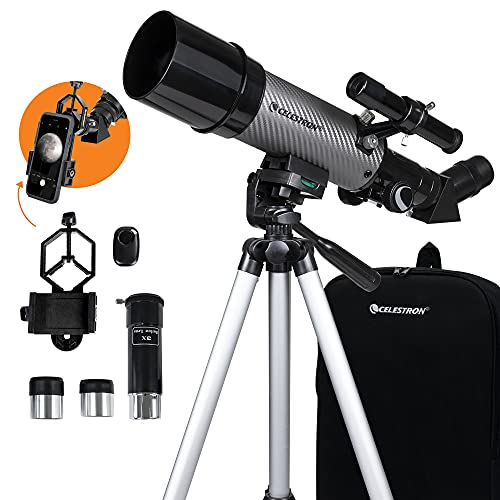
The Omni XLT 150’s advanced optics technology includes high-grade glass elements and precise coatings that work together to reduce distortion and enhance light transmission.
This results in images with exceptional clarity and sharpness, allowing astronomers to discern intricate details on celestial bodies like never before.
The telescope’s optical design also helps minimize spherical and chromatic aberrations, which can distort images and reduce color accuracy.
Enhanced Color Fidelity
In addition to minimizing chromatic aberration, the multi-coated optics of the Omni XLT 150 are specifically engineered to maintain accurate color representation in astronomical observations.
This means that when observing planets, star clusters, or galaxies, users can expect true-to-life colors that closely match what one would see through a larger, professional-grade telescope.
The enhanced color fidelity adds a level of realism and immersion to stargazing sessions, making the experience all the more captivating and inspiring.
Versatile Performance
The cutting-edge optics of the Omni XLT 150 not only excel in delivering high-resolution images of celestial objects but also contribute to its versatile performance across various astronomical activities.
Whether you’re engaging in planetary observations, deep-sky imaging, or lunar viewing, this telescope’s optics can adapt to different tasks with precision and consistency.
Its ability to capture fine details on both bright and faint objects makes it a well-rounded instrument for amateur astronomers looking to explore the wonders of the night sky.
Recommended to our readers: Click here
Design and Build Quality
Crafted with precision and durability in mind, the Celestron Omni XLT 150 features a sturdy aluminum tripod and a smooth, stable equatorial mount that allows for easy tracking of celestial objects.
Its sleek, intuitive design and user-friendly controls make it an ideal choice for beginners looking to delve into the world of astronomy without feeling overwhelmed by complex setups.
Sturdy Construction and Materials
The Celestron Omni XLT 150 is constructed with high-quality materials, notably featuring a sturdy aluminum tripod that provides excellent stability during observation sessions.
This durable construction not only ensures a long lifespan for the telescope but also contributes to its reliable performance under various conditions.
The tripod’s robust design minimizes vibrations, thereby enhancing viewing experiences by reducing image shake and blurring.
Smooth and Precise Equatorial Mount
In addition to its sturdy tripod, the Celestron Omni XLT 150 is equipped with a smooth and stable equatorial mount that plays a crucial role in tracking celestial objects accurately.
This feature allows users to easily adjust the telescope’s position to follow the apparent motion of celestial bodies across the night sky.
The precise movements facilitated by the equatorial mount make it easier for astronomers, especially beginners, to keep objects in their field of view for extended periods, enabling detailed observations and astrophotography.
User-Friendly Design and Controls
The Celestron Omni XLT 150’s design is characterized by its sleek and intuitive layout, making it a user-friendly option for individuals new to astronomy.
The controls on the telescope are strategically placed and easy to access, allowing users to navigate smoothly through different settings and make precise adjustments without complications.
This thoughtful design approach ensures that beginners can focus on observing celestial wonders rather than getting bogged down by overly complex setups or convoluted controls.
Ideal for Beginners
With its combination of sturdy construction, smooth equatorial mount, and user-friendly design, the Celestron Omni XLT 150 is specifically tailored to meet the needs of beginners in astronomy.
By offering a seamless transition into stargazing and celestial exploration, this telescope empowers novice astronomers to engage with the night sky confidently and enjoy the wonders of the universe without feeling overwhelmed by technical details.
Unveiling the Orion StarMax 127
On the other side of the celestial spectrum lies the Orion StarMax 127, a Maksutov-Cassegrain telescope revered for its compact size, powerful optics, and portability.
With a 127mm aperture and a focal length of 1540mm, this telescope combines versatility and performance in a compact package, making it a popular choice for backyard stargazers and astrophotography enthusiasts.

Optics Excellence
The Orion StarMax 127 boasts a Maksutov-Cassegrain optical design, known for its excellent image quality and contrast.
This design incorporates a curved front corrector lens and a secondary mirror, allowing for a long focal length in a compact tube.
The 127mm aperture gathers a decent amount of light, resulting in crisp and detailed views of the moon, planets, star clusters, and some deep-sky objects.
Whether observing the intricate details of lunar craters or the delicate bands of Jupiter, users can expect sharp and color-accurate images through the eyepiece.
Portability and Convenience
One standout feature of the StarMax 127 is its compact size and lightweight construction.
Weighing in at around 10 pounds, this telescope is highly portable, making it easy to transport to different observation sites or take along on camping trips.
Its sturdy tabletop mount provides stability for viewing sessions, and its simple setup allows users to start observing the night sky within minutes.
Despite its small footprint, the telescope’s performance rivals larger models, offering a convenient and efficient stargazing experience.
Astrophotography Capabilities
Recommended to our readers: Click here
Beyond visual observing, the Orion StarMax 127 also serves as a capable instrument for astrophotography.
Recommended to our readers: Click here
Its long focal length allows for high-magnification imaging of planetary details and smaller deep-sky objects.
With the right adapters and accessories, users can attach DSLR cameras or dedicated astrophotography cameras to capture stunning celestial photos.
The telescope’s compact design minimizes vibrations during long-exposure imaging, contributing to sharp and clear astrophotography results.
Whether capturing the rings of Saturn or a detailed shot of the Orion Nebula, the StarMax 127 opens up a world of imaging possibilities for enthusiasts.
Accessories and Enhancements
To further enhance the observing experience, users can complement the Orion StarMax 127 with a range of optional accessories.
Filters, like lunar or planetary filters, can enhance contrast and details in specific celestial objects.
Adding a red dot finder or a reflex sight can aid in locating and tracking targets in the night sky.
Additionally, investing in higher-quality eyepieces can unlock even more detail and clarity in observed objects.
By customizing the telescope with these enhancements, users can tailor their viewing experiences to suit their preferences and observing goals.
Optical Performance and Versatility
Equipped with a precision-machined, catadioptric optical system, the Orion StarMax 127 delivers exceptional image quality with minimal spherical aberration, producing sharp, high-contrast views of celestial objects.
Whether you’re observing lunar craters or distant galaxies, this telescope offers versatility in its optical design, allowing for a wide range of astronomical observations with impressive clarity and detail.

Precision-Machined Catadioptric Optical System
The Orion StarMax 127’s precision-machined catadioptric optical system is a key feature that sets it apart from other telescopes in its class.
This system combines both lenses and mirrors to correct for spherical aberration, resulting in images that are crisp, clear, and free from distortions.
The precision machining of the optical components ensures that they are perfectly aligned, enhancing the overall performance of the telescope.
This optical configuration also allows for a compact design, making the StarMax 127 highly portable and easy to set up for on-the-go stargazing adventures.
Exceptional Image Quality
When using the StarMax 127, observers can expect exceptional image quality across a wide range of celestial objects.
From the intricate details of lunar craters to the faint light of distant galaxies, this telescope excels in delivering sharp, high-contrast views that reveal subtle features and textures.
The absence of spherical aberration in the optical system ensures that the images remain sharp even at high magnifications, providing observers with a truly immersive and detailed viewing experience.
Versatility in Observation
Recommended to our readers: Click here
One of the standout features of the StarMax 127 is its versatility in observation.
Whether you are interested in planetary viewing, deep-sky exploration, or lunar observations, this telescope is capable of accommodating a variety of astronomical pursuits.
With its catadioptric optical system, the StarMax 127 strikes a balance between resolving power and wide-field views, making it a versatile tool for observing a diverse range of celestial objects.
Additionally, the telescope’s compact size and lightweight design make it easy to transport to different observing locations, further enhancing its versatility for both backyard astronomy and on-the-go stargazing adventures.
Portability and Mounting Options
One of the standout features of the Orion StarMax 127 is its compact and lightweight design, making it easy to transport and set up for stargazing sessions on the go.
Additionally, this telescope is compatible with a variety of mounting options, including tabletop mounts and equatorial mounts, providing flexibility for different viewing preferences and setups.
Compact and Lightweight Design
The compact and lightweight design of the Orion StarMax 127 makes it an ideal choice for amateur astronomers who enjoy stargazing on the move.

Weighing in at just under 20 pounds and with dimensions of approximately 15 inches in length, this telescope is easy to transport to different stargazing locations, whether it be a nearby park or a remote dark sky site.
Its compact size also makes it convenient for storage in small spaces, such as a closet or the trunk of a car, without taking up too much room.
Compatibility with Different Mounting Options
The Orion StarMax 127 offers compatibility with a range of mounting options, allowing users to customize their stargazing setup according to their preferences.
For those who prefer a tabletop setup, there are tabletop mounts available that provide stability and convenience for observing celestial objects from a stationary position.

On the other hand, equatorial mounts offer a more sophisticated tracking system that compensates for the Earth’s rotation, enabling users to easily follow objects as they move across the night sky.
Versatility in Viewing Preferences
By offering compatibility with various mounting options, the Orion StarMax 127 caters to a diverse range of viewing preferences.
Whether you prefer setting up your telescope on a sturdy table in your backyard or investing in an equatorial mount for precise tracking of celestial objects, this telescope provides the flexibility to adapt to different stargazing situations.
This versatility allows users to explore a variety of astronomical targets, from bright planets to faint deep-sky objects, with ease and precision.
The Decision Dilemma: Celestron Omni XLT 150 vs Orion StarMax 127
Choosing between the Celestron Omni XLT 150 and the Orion StarMax 127 ultimately boils down to personal preferences, observing goals, and lifestyle considerations.
While the Celestron Omni XLT 150 excels in optical performance and ease of use, the Orion StarMax 127 offers portability and versatility in a compact form factor, catering to stargazers with different needs and priorities.
Optical Performance and Ease of Use: Celestron Omni XLT 150
The Celestron Omni XLT 150 features a larger aperture of 150mm, providing superb light-gathering capabilities for excellent views of deep-sky objects, planets, and lunar details.
Its high-quality optics deliver sharp and clear images, making it a preferred choice for astrophotography enthusiasts looking to capture detailed celestial images.
Additionally, the Omni XLT 150 comes equipped with a stable and easy-to-use mount, allowing both beginners and experienced astronomers to set up and align the telescope quickly for observing sessions.
Portability and Versatility: Orion StarMax 127
On the other hand, the Orion StarMax 127 boasts a compact and lightweight design, making it an ideal grab-and-go telescope for stargazers who value portability.
Whether you’re a city dweller looking for a telescope easy to transport to a darker sky site or an observer who enjoys spontaneous stargazing sessions, the StarMax 127 is a convenient option.
Despite its smaller aperture compared to the Celestron Omni XLT 150, the StarMax 127 offers impressive views of the moon, planets, and bright deep-sky objects, perfect for casual observations or educational purposes.
Ultimately, your decision between the Celestron Omni XLT 150 and the Orion StarMax 127 will depend on your observing preferences and lifestyle.
Consider factors such as where you plan to observe from, how frequently you’ll be using the telescope, and what specific targets or activities you prioritize in your stargazing sessions.
Both telescopes offer unique advantages, so choosing the one that aligns best with your needs will ensure a fulfilling and enjoyable stargazing experience.
Conclusion: A Universe of Options
In the vast cosmos of telescopes, the Celestron Omni XLT 150 and the Orion StarMax 127 shine as beacons of optical excellence and astronomical wonder.
Whether you’re a beginner embarking on your stargazing journey or a seasoned astronomer seeking a new celestial companion, these telescopes offer a glimpse into the mesmerizing realm of the cosmos, inviting you to explore, discover, and marvel at the beauty of the night sky.
So, as you gaze up at the star-studded canvas above, consider the Celestron Omni XLT 150 and the Orion StarMax 127 as your windows to the celestial wonders that await, beckoning you to embark on a cosmic voyage of discovery and awe.
The Celestron Omni XLT 150: A Gateway to the Cosmos
The Celestron Omni XLT 150 is a versatile and powerful telescope that caters to both amateur and advanced astronomers.
With its impressive 150mm aperture and 750mm focal length, this telescope delivers crisp views of celestial objects, from the craters on the moon to distant galaxies.
Its equatorial mount provides stability for tracking objects across the night sky, making it ideal for capturing clear images with a DSLR camera for astrophotography enthusiasts.
The Orion StarMax 127: Unveiling Deep-Space Treasures
On the other hand, the Orion StarMax 127 offers astronomers a compact yet potent tool for observing deep-space wonders.
Boasting a 127mm Maksutov-Cassegrain optical design, this telescope excels in revealing intricate details of planets, nebulae, and star clusters.
Its tabletop mount makes it a convenient grab-and-go option for stargazing sessions under the night sky, allowing observers to easily transport it to darker skies for observing elusive targets such as the Orion Nebula or the Andromeda Galaxy.
Tailoring Your Observing Experience
When choosing between the Celestron Omni XLT 150 and the Orion StarMax 127, consider your observing preferences and goals.
Are you drawn to capturing detailed views of the moon’s surface or delving into the faint wisps of distant galaxies?
The Celestron Omni XLT 150 may be your ideal companion.
Alternatively, if you prefer compactness and portability for quick stargazing sessions or urban sky viewing, the Orion StarMax 127 could be the perfect match for your astronomical endeavors.
Enhancing Your Stargazing Journey
Recommended to our readers: Click here
Both telescopes come with a range of accessories and optional add-ons to enhance your stargazing experience.
Consider investing in a high-quality eyepiece set or a light pollution filter to optimize your views.
Additionally, exploring the world of smartphone astrophotography adapters can open up a new realm of possibilities for capturing stunning images of the cosmos with your telescope.
With the Celestron Omni XLT 150 and the Orion StarMax 127 as your cosmic companions, the universe truly becomes your playground, inviting you to delve deeper into the mysteries of the night sky and embark on a celestial adventure unlike any other.