Feature Article: Coconut Flour vs Almond Flour
Coconut flour and almond flour have gained popularity in recent years as viable alternatives to traditional wheat flour.
With an increasing number of people seeking gluten-free and low-carb options, these two flour substitutes have become staples in many kitchens.
But what sets coconut flour apart from almond flour, and how do they compare in terms of nutrition, taste, and versatility?
Let’s delve into the world of alternative flours and explore the nuances of coconut flour versus almond flour.
The Rise of Alternative Flours
The culinary landscape has seen a significant shift towards alternative flours, driven by a growing awareness of dietary restrictions and health-conscious choices.
Coconut flour and almond flour are among the frontrunners in this trend, offering unique attributes that cater to various dietary needs.
While coconut flour is derived from dried, defatted coconut meat, almond flour is made from blanched almonds ground into a fine powder.
These distinct processes result in flours with different textures and flavors, setting the stage for a nuanced comparison.
Benefits of Coconut flour and Almond Flour:
Recommended to our readers: Click here
One of the key benefits of coconut flour is its high fiber content.
Coconut flour contains significantly more fiber than traditional wheat flour, making it an excellent choice for those looking to increase their fiber intake.
This high fiber content not only supports digestion but also helps in promoting a feeling of fullness, which can aid in weight management.
Almond flour, on the other hand, is a nutrient-dense alternative to traditional wheat flour.
It is rich in healthy fats, protein, and antioxidants, making it a valuable addition to a balanced diet.
The monounsaturated fats present in almond flour have been linked to improved heart health and may help lower bad cholesterol levels.
Culinary Applications:
Coconut flour and almond flour have versatile culinary applications, offering a suitable substitute for wheat flour in a wide range of recipes.
Coconut flour’s unique absorbent properties require adjustments in recipes, typically requiring more liquid ingredients to achieve the desired consistency.
It lends a subtle coconut flavor to baked goods, adding a hint of sweetness.
Almond flour, on the other hand, has a mild, nutty taste that pairs well with both sweet and savory dishes.
It is a popular choice for gluten-free baking, providing a moist and tender texture to cakes, cookies, and bread.
Almond flour can also be used as a coating for meat or fish, adding a crunchy crust without the need for breadcrumbs.
Health Considerations:
When incorporating alternative flours like coconut and almond into your diet, it’s essential to be mindful of potential allergens.
While coconut and almond flours are gluten-free and suitable for many dietary restrictions, individuals with nut allergies should exercise caution when using almond flour.
Cross-contamination is also a concern, especially for those with severe allergies, so it’s crucial to source flours from reputable suppliers to ensure purity.
In terms of calorie content, almond flour is higher in calories compared to coconut flour due to its fat content.
While the healthy fats in almond flour offer numerous health benefits, portion control is key to prevent excess calorie consumption.

It’s advisable to balance the use of alternative flours with a variety of whole grains and proteins to maintain a well-rounded diet.
Nutritional Profile: Coconut Flour vs Almond Flour
When it comes to nutritional content, coconut flour and almond flour each bring something unique to the table.
Coconut flour is high in fiber, making it a gut-friendly option that promotes satiety and digestive health.
Its low glycemic index also makes it suitable for individuals monitoring their blood sugar levels.
On the other hand, almond flour is rich in healthy fats, particularly monounsaturated fats that support heart health.
Additionally, almond flour provides a good source of protein and vitamin E, contributing to overall nutritional balance.
Understanding the nutritional nuances of these flours can help individuals make informed choices based on their dietary requirements.
Fiber Content
Coconut flour stands out for its exceptional fiber content, with approximately 10 grams of fiber per 1/4 cup serving.
This high fiber content not only aids in digestion and promotes gut health but also helps with weight management by promoting a feeling of fullness.
The soluble fiber in coconut flour can also assist in regulating blood sugar levels and cholesterol levels, making it a valuable addition to a balanced diet.
Healthy Fats in Almond Flour
Almond flour boasts a considerable amount of healthy fats, predominantly monounsaturated fats.
These healthy fats are known to support heart health by lowering LDL cholesterol levels and reducing the risk of cardiovascular diseases.
Recommended to our readers: Click here
Substituting almond flour for traditional refined flours in baking can thus enhance the nutritional profile of baked goods while providing a delicious nutty flavor.
Protein and Vitamin E Benefits
In addition to healthy fats, almond flour offers a good dose of protein, containing around 6-7 grams per 1/4 cup serving.
This protein content is beneficial for muscle repair and maintenance, making almond flour a good option for those following a plant-based or gluten-free diet.
Moreover, almond flour is rich in vitamin E, an antioxidant that helps protect cells from damage caused by free radicals.
Vitamin E plays a crucial role in skin health, immunity, and overall well-being.
Both coconut flour and almond flour have distinct nutritional advantages, making them versatile options for individuals with various dietary needs.
Incorporating a variety of flours like these into your cooking and baking can not only diversify your nutrient intake but also add unique flavors and textures to your dishes.
Taste and Texture: A Palate Pleasing Comparison
When it comes to taste and texture, coconut flour and almond flour offer distinct sensory experiences in baked goods and recipes.
Coconut flour has a mild, slightly sweet flavor with a hint of coconut essence that can add a tropical twist to dishes.
Its high absorbency requires more liquid in recipes, resulting in a moist and dense texture in baked goods.
In contrast, almond flour has a nutty flavor that lends a rich, buttery undertone to recipes.
Due to its high fat content, almond flour produces a moist and tender crumb in baked goods, making it a favorite among gluten-free bakers.
The choice between these flours often comes down to personal preference and the desired flavor profile of the dish.
Coconut Flour: A Tropical Twist in Baked Goods
Coconut flour, derived from dried, ground coconut meat, imparts a subtle sweetness and a delicate hint of coconut flavor to baked goods.
Its unique taste profile makes it a perfect choice for creating tropical-inspired treats like coconut macaroons, pineapple coconut muffins, or coconut cream pie.
The sweet essence of coconut flour pairs well with fruits like mangoes, bananas, and pineapples, enhancing the overall flavor profile of dishes.
In terms of texture, coconut flour is highly absorbent, meaning it requires more liquid than traditional flours in recipes.
This absorption property results in a moist and dense texture in baked goods, similar to a pound cake or a moist pudding.
The denseness of coconut flour can create a satisfyingly rich mouthfeel in treats like brownies, cookies, and cakes, making it a favored option for those seeking a decadent baking experience.
Almond Flour: Nutty Indulgence in Gluten-Free Baking
Almond flour, made from finely ground blanched almonds, offers a distinct nutty flavor with a rich, buttery undertone that elevates the taste profile of various recipes.
Its versatile taste makes it a great choice for both sweet and savory dishes, such as almond flour pancakes, almond-crusted chicken tenders, or almond flour chocolate chip cookies.
The nuttiness of almond flour can enhance the overall complexity of flavors, adding a depth that complements a wide range of ingredients.
Due to its high fat content, almond flour contributes to a moist and tender crumb in baked goods, making it a popular choice among gluten-free bakers looking to achieve a soft and fluffy texture in their creations.
Almond flour is often used in recipes like muffins, scones, and tart crusts to provide a light and airy consistency while delivering a subtle almond flavor that pairs well with various fillings and toppings.
Versatility in Cooking and Baking
Both coconut flour and almond flour offer versatility in cooking and baking applications, albeit with some differences in handling and recipe adjustments.
Coconut flour is highly absorbent and requires a larger amount of liquid compared to traditional flours, making it suitable for recipes that call for a denser texture like pancakes and quick breads.
Almond flour, with its finer texture and higher fat content, works well in recipes that require a lighter crumb structure such as cakes and cookies.
While coconut flour may need additional eggs or binding agents to prevent dryness, almond flour provides natural moisture and binding properties, simplifying ingredient adjustments in recipes.
Understanding the unique characteristics of these flours can help home cooks navigate the culinary landscape with confidence.
Coconut Flour: Versatility in Denser Textures
Coconut flour, derived from dried coconut meat, stands out for its high absorbency.
This feature is a key consideration when incorporating it into recipes, as it requires a larger amount of liquid compared to traditional flours such as all-purpose flour or wheat flour.
One way to adjust for this is by increasing the number of eggs in a recipe, as eggs act as both a binding agent and a source of moisture.
For example, in a coconut flour pancake recipe, adding extra eggs can help prevent the final product from becoming too dry.
The need for additional liquid is also evident when making quick breads with coconut flour, as it can help achieve the desired moistness and texture in the final baked goods.
In addition to its unique absorption properties, coconut flour contributes to a denser texture in baked goods.
This makes it particularly suitable for recipes that benefit from a hearty and filling consistency.
For instance, using coconut flour in muffins or brownies can result in a more satisfying and substantial treat, ideal for those looking for baked goods with a greater level of satiety.
Recommended to our readers: Click here
The distinct flavor of coconut flour also adds a tropical twist to recipes, enhancing the overall taste profile of dishes like coconut flour pizza crust or coconut flour bread.
Almond Flour: Enhancing Lighter Structures
Compared to coconut flour, almond flour offers a different set of advantages when it comes to baking.
With its finer texture and higher fat content, almond flour is well-suited for recipes that require a lighter crumb structure, such as cakes and cookies.
The fine grind of almond flour helps in achieving a smoother and more delicate texture in baked goods, making it a popular choice for creating tender cakes or melt-in-your-mouth cookies.
Recommended to our readers: Click here
The higher fat content in almond flour provides natural moisture to baked goods, reducing the risk of dryness that can sometimes occur with other types of flour.
This inherent moisture content not only contributes to the overall texture of the final product but also aids in binding ingredients together, simplifying the need for additional binding agents in recipes.
As a result, almond flour can be a convenient option for those who prefer to minimize the number of ingredients or adjustments required in their baking endeavors.
In recipes like almond flour torte or almond flour shortbread cookies, the rich and nutty flavor profile of almond flour shines through, adding depth and complexity to the culinary experience.
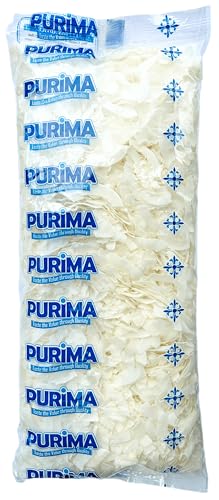
Its versatility extends to both sweet and savory dishes, showcasing its adaptability in
Pros and Cons
| Features | Coconut Flour | Almond Flour |
|---|---|---|
| Nutritional Profile | High fiber, low glycemic index | Rich in healthy fats, protein, vitamin E |
| Taste and Texture | Mild, slightly sweet; dense texture | Nutty flavor; moist, tender crumb |
| Versatility | Suited for denser baked goods | Ideal for lighter crumb structures |

Nutritional Benefits of Coconut Flour and Almond Flour
Coconut flour and almond flour offer distinct nutritional benefits due to their unique composition.
Coconut flour is a rich source of dietary fiber, making it an excellent choice for promoting digestive health and supporting weight management.

Its low glycemic index also makes it a preferable option for individuals managing blood sugar levels or following a low-carb diet.
Recommended to our readers: Click here
On the other hand, almond flour is known for its high content of healthy fats, particularly monounsaturated fats, which are beneficial for heart health.
Almond flour also provides a good amount of protein, making it a suitable option for those looking to increase their protein intake.
Additionally, almond flour is a good source of vitamin E, an antioxidant that helps protect cells from damage.
Flavor Profiles and Textures of Coconut Flour and Almond Flour
When it comes to taste and texture, coconut flour and almond flour offer distinct characteristics that can enhance various baked goods.
Coconut flour imparts a mild, slightly sweet flavor to recipes, which can complement both sweet and savory dishes.
Due to its high absorbency, coconut flour tends to result in dense textures in baked goods, which can be desirable for items like pancakes, muffins, and cakes.
Almond flour, on the other hand, brings a nutty flavor profile to recipes, adding a rich and distinct taste to baked goods.
Its natural moisture content enhances the tenderness and moistness of the final product, making almond flour a great choice for items like cookies, bars, and crusts that require a softer texture.
Application and Adaptability in Baking
The versatility of coconut flour and almond flour extends to their respective applications in baking.
Coconut flour is well-suited for recipes that call for denser textures and structures, such as brownies, quick breads, and pancakes.
Its ability to absorb liquid and bind ingredients together makes it a suitable option for creating firm and compact baked goods.
Conversely, almond flour is ideal for recipes that require lighter crumb structures and tender textures, such as cakes, cookies, and delicate pastries.
Its natural richness and moisture content help produce baked treats that are moist, soft, and slightly crumbly, enhancing the overall eating experience.
Additionally, almond flour can be used as a gluten-free alternative in recipes that traditionally rely on wheat flour, catering to individuals with gluten sensitivities or celiac disease.
In Conclusion: Choosing Your Flour Ally

In the realm of alternative flours, coconut flour and almond flour stand out for their nutritional benefits, flavor profiles, and culinary adaptability.
While coconut flour shines for its high fiber content and low glycemic index, almond flour offers a rich source of healthy fats and protein.
The choice between these two flours ultimately depends on individual preferences, dietary requirements, and recipe considerations.
Whether you’re aiming for a moist coconut-infused treat or a nutty almond delight, exploring the unique characteristics of coconut flour and almond flour opens up a world of creative culinary possibilities.
So, the next time you reach for that bag of alternative flour, consider the subtle nuances that coconut flour and almond flour bring to the table, and let your taste buds lead the way in your culinary adventures.
Nutritional Benefits of Coconut Flour
Coconut flour not only boasts a high fiber content but is also rich in protein, healthy fats, and minerals such as manganese, copper, and selenium.
This combination of nutrients makes coconut flour a wholesome choice for those looking to enhance the nutritional profile of their baked goods.
Recommended to our readers: Click here
Moreover, coconut flour is naturally gluten-free, making it an excellent option for individuals with gluten sensitivities or those following a gluten-free diet.
Culinary Adaptability of Almond Flour
Almond flour’s versatile nature extends beyond baking into various culinary applications.
From coating proteins for pan-frying to thickening sauces and binding ingredients in meatballs, almond flour brings a subtle nuttiness and delicate texture to a wide array of dishes.
It can also be used to add a nutritious boost to smoothies, oatmeal, or yogurt parfaits, effortlessly incorporating its nutritional benefits into everyday meals.
Recipe Considerations and Pairing Suggestions
When deciding between coconut flour and almond flour for a particular recipe, consider their unique characteristics.
Coconut flour’s high absorbency calls for additional moisture in recipes, whereas almond flour’s higher fat content may require adjustments in other ingredients to maintain desired texture.
Pairing suggestions can also enhance the flavors of these flours; for example, combining almond flour with citrus fruits or coconut flour with tropical fruits can create harmonious flavor profiles that elevate the overall dish.
Exploring Creative Culinary Combinations
Combining coconut flour and almond flour in recipes can yield exceptional results by harnessing the strengths of both flours.
For instance, a blend of coconut flour’s light, airy texture with almond flour’s richness can create a balanced and satisfying baked good.
Experimenting with these flours in different ratios allows for customization based on personal preferences and desired outcomes, opening a world of creative possibilities in the kitchen.