Unveiling the Battle of Chemical Exfoliants: Paula’s Choice Skin Perfecting 8% AHA Gel vs The Ordinary Lactic Acid 10% + HA
In the realm of skincare enthusiasts, the quest for a flawless complexion often leads to the debate on chemical exfoliants.
Among the plethora of options, two standout products frequently find themselves under the magnifying glass: Paula’s Choice Skin Perfecting 8% AHA Gel and The Ordinary Lactic Acid 10% + HA.
These potent exfoliants promise to reveal smoother, brighter skin, but which one truly reigns supreme?
Let’s dive into the world of chemical exfoliants and dissect the strengths and nuances of these skincare gems.
Understanding Chemical Exfoliants
Before we delve deeper into the comparison between Paula’s Choice Skin Perfecting 8% AHA Gel and The Ordinary Lactic Acid 10% + HA, it’s crucial to understand the role of chemical exfoliants in skincare.
Chemical exfoliants work by dissolving the bonds between dead skin cells, effectively sloughing off dull, rough skin to reveal a smoother, more radiant complexion.
Compared to physical exfoliants like scrubs or brushes, chemical exfoliants are often gentler and more effective at promoting cell turnover and enhancing skin texture.
The Science Behind AHA and Lactic Acid
Both products feature potent chemical exfoliants – AHA (alpha hydroxy acid) in Paula’s Choice Gel and Lactic Acid in The Ordinary’s formula.
AHA, such as glycolic acid and lactic acid, is known for its ability to exfoliate the surface of the skin, making it an excellent choice for addressing hyperpigmentation, fine lines, and uneven skin tone.
Lactic acid, specifically, is milder than glycolic acid, making it suitable for sensitive skin types while still delivering effective exfoliation.
While AHA targets the skin’s surface, prompting faster cell turnover, lactic acid penetrates deeper into the skin, providing additional hydration and improving overall skin texture.
Understanding the nuances of these active ingredients can help you choose the right exfoliant based on your skin concerns and preferences.
Different Formulations, Unique Benefits
Paula’s Choice Skin Perfecting 8% AHA Gel boasts a gel formulation that is lightweight and easily absorbed, making it suitable for oily or combination skin types.
Its 8% AHA concentration is effective yet gentle enough for daily use, promoting a radiant complexion without causing irritation.
On the other hand, The Ordinary Lactic Acid 10% + HA combines 10% lactic acid with hyaluronic acid, offering both exfoliation and hydration benefits.
Hyaluronic acid helps to replenish moisture, leaving the skin plump and hydrated after exfoliation.
This formulation may be preferred by individuals with dry or dehydrated skin seeking a balance between exfoliation and hydration.
Choosing the Right Exfoliant for Your Skin
When selecting between these two chemical exfoliants, consider your skin type, concerns, and preferences.
Paula’s Choice AHA Gel may be ideal for those with oily or combination skin looking to combat breakouts
Deciphering the World of Chemical Exfoliants

Chemical exfoliants have garnered a loyal following for their ability to unclog pores, fade dark spots, and impart a radiant glow.
Unlike physical exfoliants that buff away dead skin cells using granules or brushes, chemical exfoliants work by dissolving the bonds between skin cells, leading to gentle yet effective exfoliation.

Types of Chemical Exfoliants:
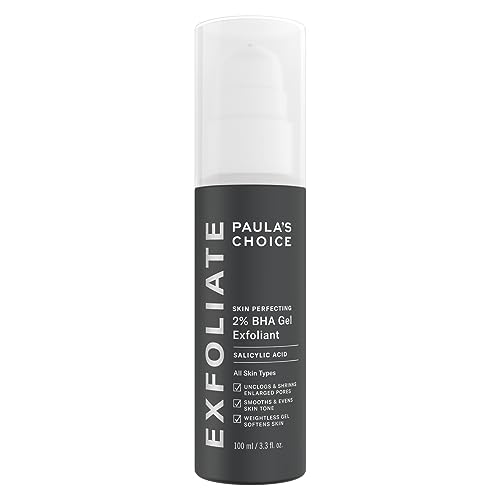
There are two main types of chemical exfoliants: alpha hydroxy acids (AHAs) and beta hydroxy acids (BHAs).
AHAs, such as glycolic acid and lactic acid, are water-soluble acids derived from fruits and milk.
They work by loosening the bonds between dead skin cells, resulting in smoother and brighter skin.
On the other hand, BHAs, like salicylic acid, are oil-soluble acids that can penetrate deep into the pores, making them ideal for oily and acne-prone skin.
BHAs are effective in exfoliating within the pores and reducing inflammation.
Benefits of Chemical Exfoliants:
In addition to unclogging pores and fading dark spots, chemical exfoliants also stimulate collagen production, improving skin texture and reducing the appearance of fine lines and wrinkles.
They can enhance the skin’s natural regeneration process, resulting in a more youthful and radiant complexion over time.
How to Incorporate Chemical Exfoliants into Your Skincare Routine:
When introducing chemical exfoliants into your skincare routine, start slowly to allow your skin to adjust.
Begin with a lower concentration and frequency, gradually increasing as your skin becomes more tolerant.
It is essential to follow up with sunscreen during the day, as chemical exfoliants can increase sun sensitivity.
Incorporate chemical exfoliants into your routine a few times a week, depending on your skin type and needs.
Common Misconceptions about Chemical Exfoliants:
One common misconception about chemical exfoliants is that they are harsh and irritating to the skin.
However, when used correctly and in the right concentrations, chemical exfoliants can be gentle yet effective.
Another misconception is that chemical exfoliants are only suitable for certain skin types.
In reality, there are formulations available for all skin types, from sensitive to acne-prone.
Conclusion:
Chemical exfoliants offer a gentle yet powerful solution for achieving smooth, radiant skin.
By understanding the different types of chemical exfoliants, their benefits, and how to incorporate them into your skincare routine, you can unlock the potential of these skincare heroes and take your skincare regimen to the next level.
The Contenders: Paula’s Choice Skin Perfecting 8% AHA Gel
Paula’s Choice Skin Perfecting 8% AHA Gel is hailed for its potent blend of glycolic acid, an alpha hydroxy acid (AHA) known for its exfoliating properties.
This gentle yet effective formula targets uneven skin tone, fine lines, and wrinkles, making it a favorite among skincare aficionados seeking to achieve a luminous complexion.
The lightweight gel texture absorbs quickly into the skin, ensuring maximum efficacy without greasiness or residue.
The Benefits of Glycolic Acid
Glycolic acid, a type of alpha hydroxy acid (AHA), is renowned for its ability to exfoliate the skin by dissolving dead skin cells on the surface.
This process helps to reveal a smoother, brighter complexion underneath.
Additionally, glycolic acid can stimulate collagen production, resulting in improved skin texture and a reduction in the appearance of fine lines and wrinkles.
Targeted Skin Concerns
Recommended to our readers: Click here
Paula’s Choice Skin Perfecting 8% AHA Gel is specifically formulated to address a range of skin concerns, including uneven skin tone, sun damage, and signs of aging.
By incorporating this product into a skincare routine, individuals can work towards achieving a more balanced and youthful-looking complexion.
User-Friendly Texture
One of the standout features of the 8% AHA Gel is its lightweight and fast-absorbing gel texture.
This formulation ensures that the product can be easily incorporated into a daily skincare routine without leaving a heavy or greasy residue on the skin.
The non-sticky finish makes it suitable for all skin types, including those with oily or combination skin.

Maximum Efficacy
The quick absorption of the gel allows for optimal penetration of the active ingredients into the skin, ensuring maximum efficacy.
This means that users can benefit from the exfoliating and skin-renewing properties of glycolic acid without experiencing any unnecessary downtime or discomfort.
The Contenders: The Ordinary Lactic Acid 10% + HA
On the other end of the spectrum stands The Ordinary Lactic Acid 10% + HA, a powerhouse exfoliant featuring lactic acid—a member of the alpha hydroxy acid family known for its skin-smoothing and brightening properties.
This formula is infused with hyaluronic acid (HA), a hydrating ingredient that helps maintain skin’s moisture balance, making it suitable for those with dry or sensitive skin types.
The Ordinary’s minimalist approach to skincare shines through in this product, offering a no-fuss solution for achieving a radiant complexion.
Exfoliating Powerhouse:
The Ordinary Lactic Acid 10% + HA’s exfoliating power comes from its key ingredient, lactic acid.
Lactic acid gently yet effectively exfoliates the skin by breaking down dead skin cells on the surface, leading to improved texture, tone, and overall complexion.
This exfoliant is particularly beneficial for addressing concerns such as dullness, uneven skin tone, and texture irregularities.
Benefits of Lactic Acid:
Lactic acid is a member of the alpha hydroxy acid (AHA) family, known for its gentle and versatile exfoliating properties.
Unlike harsh physical exfoliants, lactic acid works by dissolving the bonds between dead skin cells, promoting cellular turnover and revealing fresher, smoother skin underneath.
It also helps to stimulate collagen production, leading to firmer, more youthful-looking skin over time.

Hydrating Hyaluronic Acid:
In addition to lactic acid, this formula includes hyaluronic acid (HA), a hydrating powerhouse in the skincare world.
Recommended to our readers: Click here
HA is a humectant that attracts moisture to the skin, helping to keep it plump, supple, and well-hydrated.
By incorporating HA into the formula, The Ordinary ensures that the exfoliating benefits of lactic acid are balanced with intense hydration, making this product suitable for a wide range of skin types, including those prone to dryness or sensitivity.
Minimalist Skincare Approach:
The Ordinary is known for its minimalist approach to skincare, focusing on potent ingredients without unnecessary fillers or fragrances.
The Lactic Acid 10% + HA exemplifies this ethos by delivering a straightforward solution for achieving a radiant complexion without any frills.
Recommended to our readers: Click here
This simplicity appeals to those who prefer streamlined skincare routines and products that deliver results without complication.
The Showdown: AHA vs Lactic Acid
When it comes to choosing between Paula’s Choice Skin Perfecting 8% AHA Gel and The Ordinary Lactic Acid 10% + HA, the decision boils down to individual skin concerns and preferences.
AHA, such as glycolic acid found in Paula’s Choice, is known for its effectiveness in targeting fine lines, sun damage, and uneven texture.
On the other hand, lactic acid, like the one featured in The Ordinary’s formulation, is revered for its gentle exfoliating properties, making it ideal for sensitive skin types.
Benefits of AHA for Skin Rejuvenation
AHA, particularly glycolic acid present in Paula’s Choice Skin Perfecting 8% AHA Gel, effectively promotes skin cell turnover, resulting in a smoother and more youthful complexion.
By exfoliating the top layer of the skin, AHA helps to unclog pores, diminish fine lines and wrinkles, and fade dark spots caused by sun damage.
This potent exfoliator can also enhance the penetration of other skincare products, allowing them to work more effectively.
Lactic Acid: The Gentle Exfoliator
Lactic acid, a key ingredient in The Ordinary Lactic Acid 10% + HA, offers a milder alternative for those with sensitive skin.
Derived from milk, lactic acid gently dissolves dead skin cells without causing irritation or redness, making it a suitable choice for individuals prone to sensitivity or redness.
Additionally, lactic acid helps to hydrate the skin, thanks to its humectant properties, making it an excellent option for those with dry or dehydrated skin.
Recommended to our readers: Click here
Tailoring Your Exfoliation Routine
Deciding between AHA and lactic acid depends on your skin type and concerns.
If you have mature skin and want to address signs of aging like fine lines and sun damage, AHA might be the better choice due to its potent exfoliating properties.
On the other hand, if you have sensitive skin or are new to exfoliation, lactic acid provides a gentle introduction to chemical exfoliants without the risk of over-exfoliation.
Conclusion: Finding Your Perfect Match
Recommended to our readers: Click here
Ultimately, the best way to determine whether AHA or lactic acid is more suitable for your skin is through experimentation and observation.
Consider starting with a lower concentration of either ingredient to see how your skin responds before gradually increasing the potency.
Remember, skincare is highly individual, so what works for others may not necessarily work for you.
By understanding the unique benefits of each ingredient, you can make an informed decision that aligns with your skin goals and preferences.
The Verdict: Finding Your Holy Grail Exfoliant
In the quest for glowing, smooth skin, there is no one-size-fits-all solution.
Paula’s Choice Skin Perfecting 8% AHA Gel and The Ordinary Lactic Acid 10% + HA offer compelling options for those seeking to incorporate chemical exfoliants into their skincare routine.
Ultimately, the key lies in understanding your skin’s needs, experimenting with different formulations, and listening to how your skin responds.
In the thriving universe of skincare, the battle between Paula’s Choice Skin Perfecting 8% AHA Gel and The Ordinary Lactic Acid 10% + HA continues to captivate beauty enthusiasts worldwide.
Whether you choose the resurfacing prowess of AHA or the gentle exfoliation of lactic acid, one thing is certain—both products have earned their rightful place in the pantheon of game-changing exfoliants.
In the end, the true winner is the radiant, glowing skin that awaits those who embark on this skincare journey.
Understanding Your Skin’s Needs
Before diving into the world of chemical exfoliants, it’s crucial to understand your skin’s unique characteristics and requirements.
Factors such as skin type (dry, oily, combination), sensitivity level, and specific concerns (acne, dullness, fine lines) play a significant role in determining the most suitable exfoliant for your skin.
For instance, those with sensitive skin may benefit from starting with a lower concentration of AHA or opting for a more soothing exfoliant like lactic acid.
Experimenting with Different Formulations
Experimentation is key when it comes to finding your holy grail exfoliant.
Skincare is a highly individualized journey, and what works wonders for one person may not necessarily yield the same results for another.
Consider trying out sample sizes or travel-friendly versions of different exfoliants to see how your skin reacts.
Pay attention to factors like texture, scent, and overall skin feel to determine which formulation aligns best with your preferences.
Listening to Your Skin
Your skin communicates with you, and it’s essential to listen attentively to its feedback.
If you notice redness, irritation, or excessive dryness after using a particular exfoliant, it may be a sign that it’s not the right fit for your skin.
Conversely, if you experience a more radiant complexion, improved texture, and minimized blemishes, that exfoliant may be a keeper.
Take note of these cues and adjust your skincare routine accordingly to achieve optimal results.
Seeking Professional Advice
For those navigating the vast landscape of chemical exfoliants, seeking guidance from a dermatologist or skincare expert can provide valuable insights.
Professionals can assess your skin’s specific needs, recommend suitable products, and offer personalized advice on how to incorporate exfoliants effectively into your skincare regimen.
Recommended to our readers: Click here
Don’t hesitate to consult with experts to ensure that you’re making informed decisions for your skin’s health and beauty.