Almond Milk vs Oat Milk: A Comparative Analysis
As more people embrace plant-based alternatives to dairy, almond milk and oat milk have risen to prominence as popular choices for the lactose intolerant, health-conscious, and environmentally aware consumers.
But which milk alternative reigns supreme?
In this comparative analysis, we delve into the world of almond milk and oat milk, exploring their nutritional profiles, environmental impact, versatility in cooking, taste, and cost to help you make an informed decision on which one deserves a spot in your fridge.
Nutritional Profiles:
When comparing the nutritional profiles of almond milk and oat milk, it’s essential to consider the key differences that may impact your dietary needs.
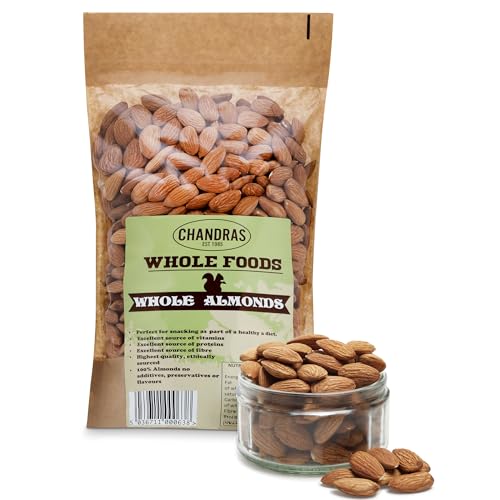
Almond milk is typically lower in calories and carbohydrates compared to oat milk, making it a favorable choice for those watching their calorie intake or monitoring their sugar levels.
On the other hand, oat milk offers more fiber and protein content, which can be beneficial for individuals looking to incorporate more satiating nutrients into their diet.
Additionally, oat milk is often fortified with essential vitamins such as vitamin B12 and calcium, making it a nutrient-rich option for those seeking a well-rounded milk alternative.
Environmental Impact:
The environmental impact of almond milk and oat milk production is another significant factor to consider when choosing a plant-based alternative.
While almond milk has come under scrutiny for its water-intensive cultivation, requiring approximately 15 gallons of water to produce just 16 almonds, oat milk tends to have a lower water footprint.
Oats are a hardy crop that grows well in various climates, requiring less water than almonds.
Therefore, opting for oat milk over almond milk can potentially reduce your carbon footprint and contribute to more sustainable food choices.
Versatility in Cooking:
When it comes to cooking and baking, both almond milk and oat milk have their strengths.
Almond milk’s mild and slightly nutty flavor makes it a versatile option for adding creaminess to beverages like smoothies or coffee.
It also works well in recipes that call for a subtle nutty taste, such as almond milk-based desserts.
On the other hand, oat milk has a naturally sweet and creamy consistency, making it a great dairy substitute in recipes like porridge, soups, and baked goods.
Its thick texture can also lend a richness to sauces and creamy dishes, enhancing the overall flavor profile of savory dishes.

Taste and Texture:
One of the key considerations when choosing between almond milk and oat milk is the taste and texture they offer.
Almond milk typically has a light, nutty flavor with a slightly watery consistency, which some may find refreshing and easy to incorporate into various dishes.
In contrast, oat milk has a naturally sweet taste with a creamy texture, providing a rich mouthfeel that can enhance the flavor of beverages and recipes.
The choice between the two ultimately depends on personal preference and the specific culinary application you have in mind.
Cost Analysis:
In terms of cost, almond milk and oat milk may vary depending on the brand, packaging, and any additional ingredients included
Nutritional Value: The Battle of Nutrients
When it comes to nutritional value, almond milk and oat milk offer distinct benefits.
Almond milk is naturally low in calories and fat, making it an excellent option for those watching their weight.
It is also a good source of vitamin E, an antioxidant that helps protect cells from damage.
On the other hand, oat milk is known for its higher protein content and beta-glucans, a type of soluble fiber that can help lower cholesterol levels.
While almond milk is a good alternative for those looking to cut down on calories, oat milk might be the preferred choice for individuals seeking a protein-rich dairy substitute.
Nutritional Benefits of Almond Milk:
While almond milk is naturally low in calories and fat, it is essential to note that not all almond milks are created equal.
Opt for unsweetened varieties to avoid added sugars, which can increase calorie content.
Almond milk can also be fortified with vitamins and minerals, such as calcium and vitamin D, to match the nutritional profile of cow’s milk.
Additionally, almonds are a good source of healthy fats, specifically monounsaturated fats, which are beneficial for heart health.
These fats can help lower bad cholesterol levels, reducing the risk of heart disease.
Antioxidant Power of Vitamin E in Almond Milk:
Vitamin E in almond milk plays a crucial role in protecting cells from damage caused by free radicals.
Free radicals are unstable molecules that can lead to oxidative stress and contribute to various chronic diseases, including cancer and heart disease.
By consuming almond milk, individuals can boost their intake of vitamin E, enhancing their body’s defense against oxidative damage.
Incorporating almond milk into a balanced diet rich in antioxidants can support overall health and well-being.
Protein and Soluble Fiber in Oat Milk:
Oat milk stands out for its higher protein content compared to almond milk.
Protein is essential for building and repairing tissues, supporting muscle growth, and maintaining a healthy immune system.
By choosing oat milk, individuals can increase their protein intake, especially beneficial for vegetarians and vegans looking to meet their protein needs.
Moreover, the beta-glucans found in oats are a type of soluble fiber known for their cholesterol-lowering effects.
Beta-glucans help reduce the absorption of cholesterol in the bloodstream, promoting heart health and lowering the risk of cardiovascular diseases.
Tailoring Milk Choices to Individual Health Goals:
Depending on one’s health goals and dietary preferences, choosing between almond milk and oat milk can be a strategic decision.
Individuals focusing on weight management may lean towards almond milk for its lower calorie content, while those prioritizing protein intake might opt for oat milk.
It is essential to consider personal health needs, taste preferences, and nutritional requirements when selecting a plant-based milk alternative.
Experimenting with different types of milk can help individuals discover the option that best complements their overall well-being.
Recommended to our readers: Click here
Environmental Impact: Sustainability in a Carton
In the battle for sustainability, oat milk emerges as the victor.
Almond milk production requires a significant amount of water, leading to concerns over water usage in regions where almonds are cultivated.
Oat milk, on the other hand, has a lower environmental footprint as oats are more water-efficient crops.
Additionally, oat milk production produces fewer greenhouse gas emissions compared to almond milk production.
For eco-conscious consumers looking to reduce their carbon footprint, oat milk presents a more environmentally friendly option.
Water Efficiency of Oats versus Almonds
Oat crops are known for their exceptional water efficiency compared to almond trees.
While almonds require a substantial amount of water to grow, oats thrive in a variety of climates with much lower water requirements.
For example, almond trees typically demand around 1.1 gallons of water to produce a single almond, while oats need significantly less water per unit of yield.
This stark contrast in water usage highlights the sustainability benefits of choosing oat milk over almond milk.
Greenhouse Gas Emissions in Milk Production
Beyond water consumption, another critical factor to consider in assessing the environmental impact of milk production is greenhouse gas emissions.
Almond milk production releases a significant amount of greenhouse gases into the atmosphere due to multiple stages in the process, such as irrigation, transportation, and processing.
On the contrary, oat milk production generates considerably lower greenhouse gas emissions throughout its production cycle.
By choosing oat milk, consumers can play a proactive role in reducing their carbon footprint and supporting environmentally sustainable practices.
Lifecycle Analysis: Oat Milk’s Overall Environmental Impact
When conducting a comprehensive lifecycle analysis of oat milk versus almond milk, the difference in environmental impact becomes even more evident.
Oat milk not only outperforms almond milk in terms of water efficiency and greenhouse gas emissions but also excels in various other sustainability metrics.
From land use to energy consumption and waste generation, oat milk emerges as a clear frontrunner in sustainable milk alternatives.
Making the switch to oat milk can significantly contribute to environmental preservation and conservation efforts, making it a commendable choice for eco-conscious individuals striving to make a positive impact on the planet.
Versatility in Cooking: The Culinary Contender
When it comes to versatility in cooking, both almond milk and oat milk have their strengths.
Almond milk’s mild, slightly nutty flavor makes it a suitable choice for baking, smoothies, and coffee.
It blends well with various ingredients without overpowering the dish’s taste.
Oat milk, with its creamy texture and slightly sweet flavor, is a popular choice for lattes, cereal, and savory dishes.
Its thicker consistency makes it a great dairy alternative for dishes that require a creamier texture.
Whether you’re whipping up a batch of pancakes or adding a splash of milk to your morning coffee, both almond milk and oat milk offer versatility in the kitchen.
Almond Milk in Baking:
Almond milk’s subtle nuttiness enhances the flavor profile of baked goods like cakes, cookies, and muffins.
Its thin consistency helps create moist and fluffy textures in recipes without adding excess calories.
Almond milk can be used as a one-to-one substitute for dairy milk in most baking recipes, making it a convenient option for those with lactose intolerance or dairy allergies.
Additionally, almond milk pairs well with flavors like vanilla, cinnamon, and chocolate, adding a delicious depth to your baked treats.
Oat Milk in Lattes:
Oat milk’s rich and creamy texture makes it a top choice for creating velvety lattes and cappuccinos.
When steamed, oat milk produces a thick foam that mimics traditional dairy milk, perfect for latte art enthusiasts.
Its sweet and slightly oaty undertones complement espresso-based beverages, providing a delightful balance of flavors.
Oat milk’s natural sweetness also eliminates the need for additional sugar or sweeteners in your morning brew, making it a healthier option for coffee lovers.
Cooking with Almond Milk and Oat Milk:
Both almond milk and oat milk can be used in cooking a wide range of savory dishes to add creaminess and depth of flavor.
Almond milk is excellent for creating creamy soups, sauces, and curries without the heaviness of traditional dairy products.
Its ability to thicken and bind ingredients makes it a versatile choice for vegan and dairy-free cooking.
On the other hand, oat milk’s silky texture works well in dishes like risottos, mashed potatoes, and pasta sauces, providing a luxurious mouthfeel.
Experiment with using almond milk and oat milk in your savory recipes to discover a whole new realm of flavors and textures.
Conclusion:
The culinary world is continually evolving, and almond milk and oat milk stand out as versatile ingredients that cater to a variety of cooking needs.
Whether you’re looking to enhance the flavor of your baked goods, create frothy lattes, or add creaminess to your savory dishes, these plant-based milks offer endless possibilities in the kitchen.
Embrace the diversity and richness that almond milk and oat milk bring to your culinary creations, and elevate your cooking game with these nutritious and delicious alternatives.
Taste Test: A Sip of Decadence
In the taste department, almond milk and oat milk bring unique flavors to the table.
Almond milk boasts a subtle nuttiness that pairs well with both sweet and savory dishes.
Its light and refreshing taste make it a favorite among those who enjoy a hint of almond flavor in their beverages.
Oat milk, on the other hand, offers a creamier and slightly sweeter taste profile.
Its oat-like undertones lend a comforting and rich flavor to drinks and dishes.
Whether you prefer the gentle taste of almonds or the comforting creaminess of oats, both milk alternatives cater to diverse palates.
Almond Milk: A Versatile Nutty Elixir
Almond milk is a plant-based milk alternative made from almonds and water.
The production process involves soaking and blending almonds with water, then straining the mixture to create a smooth, creamy liquid.
One significant advantage of almond milk is its versatility in various culinary applications.
From adding a splash to coffee or cereal to using it in smoothies, baking, or cooking savory dishes like curries and soups, almond milk can elevate both sweet and savory recipes with its delicate nutty flavor.
When it comes to nutritional value, almond milk is low in calories and fat compared to cow’s milk, making it a popular choice for individuals looking to reduce their calorie intake or avoid dairy due to lactose intolerance or dietary preferences.
Additionally, many store-bought almond milks are fortified with vitamins and minerals like calcium and vitamin D, providing a comparable nutrient profile to dairy milk.
In terms of taste, almond milk’s subtle nuttiness adds a dimension of flavor that complements a wide range of dishes.
For example, a homemade almond milk latte can offer a luxurious and slightly nutty undertone that balances the bitterness of coffee.
Similarly, using almond milk in a creamy pasta sauce can enhance the dish with a hint of almond essence without overpowering the other ingredients.
Overall, almond milk’s light and refreshing taste make it a versatile and delicious milk alternative for culinary adventures in the kitchen.
Oat Milk: A Creamy Sweetness for Every Palate
Oat milk has gained popularity in recent years for its creamy texture and slightly sweet taste profile.
Made from whole oats that are soaked, blended, and strained, oat milk has a naturally rich and smooth consistency that mimics the mouthfeel of dairy milk.
This creaminess makes oat milk a delightful addition to coffee beverages, providing a luxurious foam for lattes and cappuccinos.
Apart from its texture, oat milk also offers a distinct flavor profile characterized by its oat-like undertones.
The natural sweetness of oats adds a comforting and indulgent element to drinks and dishes, making oat milk a favorite among those with a sweet tooth.
For example, using oat milk in a warm bowl of oatmeal can intensify the oat flavor while providing a creamy base that enhances the overall heartiness of the dish.
From a nutritional standpoint, oat milk is often fortified with vitamins and minerals, making it a valuable source of nutrients, especially for individuals following a plant-based diet.
Oat
Cost Comparison: Pennywise Purchases
Finally, let’s talk about the cost factor.
Almond milk is generally pricier than oat milk due to the higher production costs associated with almonds.
However, prices can vary depending on brand, packaging, and location.
Oat milk, being more cost-effective to produce, tends to be a budget-friendly option for those looking to switch to plant-based milk without breaking the bank.
If you’re watching your wallet, oat milk might be the more economically sound choice for your daily milk needs.
Factors Influencing Almond Milk Pricing:
The higher cost of almond milk compared to oat milk can be attributed to several factors.
Firstly, almonds themselves are more expensive to harvest and process than oats.
Additionally, almonds require a considerable amount of water to grow, making them vulnerable to fluctuating water prices and availability, which can impact the final cost of almond milk production.
Moreover, the demand for almonds in various industries, such as food and cosmetics, can drive up the overall cost of almonds, thereby affecting the price of almond milk for consumers.

Brand and Packaging Price Variations:
When considering the cost of almond milk versus oat milk, it’s essential to take into account the brand and packaging options available in the market.
Different brands may have varying production methods, quality standards, and marketing strategies that can influence the pricing of their almond milk products.
Furthermore, the packaging of almond milk, whether in cartons, bottles, or bulk containers, can also impact the overall cost, with single-serve options typically costing more per ounce compared to larger containers.
Location and Regional Pricing Trends:
Another aspect to consider when comparing the costs of almond milk and oat milk is the geographical location of the consumer.
Prices can vary significantly based on the region or country due to factors such as transportation costs, local supply chains, and market competition.
Consumers living in regions where almonds are not locally sourced may experience higher prices for almond milk compared to oat milk, which can be produced more cost-effectively or closer to home.
Consumer Perspective and Long-Term Savings:
Recommended to our readers: Click here
While almond milk may be more expensive upfront, some consumers are willing to pay the premium for its distinct flavor profile and nutritional benefits.
However, for budget-conscious individuals or families looking to save money in the long run, oat milk can offer a more economical alternative without compromising on taste or health benefits.
Consider your personal preferences, dietary needs, and financial goals when making the decision between almond milk and oat milk to ensure that you are getting the best value for your money.
Pros and Cons
| Feature | Almond Milk | Oat Milk |
|---|---|---|
| Nutritional Value | Low in calories, rich in vitamin E | Higher protein content, contains beta-glucans |
| Environmental Impact | High water usage | Lower water footprint and greenhouse gas emissions |
| Versatility in Cooking | Mild nutty flavor | Creamy texture, slightly sweet taste |
| Taste | Subtle nuttiness | Creamy, slightly sweet flavor |
| Cost | Higher price point | More budget-friendly option |
Nutritional Value
In addition to their respective key nutritional benefits, almond milk and oat milk also offer unique advantages.
Recommended to our readers: Click here
Almond milk is a fantastic source of vitamin E, an essential antioxidant that helps protect cells from damage.
This makes it a great choice for supporting skin health and boosting immunity.
On the other hand, oat milk stands out for its higher protein content compared to almond milk.
Protein is essential for muscle repair and growth, making oat milk a favorable option for individuals seeking plant-based protein sources.
Moreover, oat milk contains beta-glucans, a type of soluble fiber that can help lower cholesterol levels and promote heart health.
Environmental Impact
Considering the environmental impact of these milk alternatives, oat milk emerges as a more sustainable choice.
While almond milk production requires high water usage, oat milk has a significantly lower water footprint and generates fewer greenhouse gas emissions.
Oats as a crop generally have a lower impact on water resources and contribute less to carbon emissions compared to almonds.
Opting for oat milk can be a conscious decision to reduce your ecological footprint and support environmentally friendly practices.
Versatility in Cooking
When it comes to cooking and baking, the differences in taste and texture between almond milk and oat milk can influence their applications.
Almond milk offers a mild nutty flavor that can complement various recipes, especially those where a subtle touch of almond enhances the overall taste.
On the other hand, oat milk boasts a creamy texture and a slightly sweet taste, making it a versatile ingredient in both sweet and savory dishes.
Its richness can add depth to creamy soups, sauces, and desserts, providing a unique flavor profile to your culinary creations.
Taste
While both almond milk and oat milk have their distinct flavors, the subjective aspect of taste preference plays a significant role in choosing between the two.
Almond milk provides a subtle nuttiness that can be enjoyable for those who appreciate a hint of almond in their beverages.
Conversely, oat milk offers a creamy and slightly sweet flavor profile that appeals to individuals seeking a more indulgent and satisfying taste experience.
Experimenting with different recipes and applications can help you determine which milk alternative aligns best with your taste preferences and culinary needs.
Cost
In terms of affordability, the cost of almond milk versus oat milk can impact consumers’ purchasing decisions.
Almond milk tends to have a higher price point compared to oat milk, mainly due to the resources involved in almond production and processing.

On the other hand, oat milk is generally a more budget-friendly
Conclusion: The Milky Way Forward
In the realm of plant-based milk alternatives, almond milk and oat milk offer distinctive qualities that cater to varying preferences and needs.
If you’re looking to trim down on calories and savor a hint of nuttiness, almond milk might be the preferred choice.
On the other hand, if you prioritize sustainability, seek a creamier texture, or aim for a budget-friendly option, oat milk emerges as a strong contender.
Your choice between almond milk and oat milk ultimately boils down to your nutritional goals, environmental values, culinary aspirations, taste buds, and budget constraints.
Whichever milk alternative you opt for, rest assured that both almond milk and oat milk provide wholesome dairy-free options to enrich your beverages, recipes, and lifestyle with a plant-powered twist.
Comparative Nutritional Profiles
Almond milk is known for being low in calories, making it a popular choice for individuals looking to maintain a calorie-controlled diet.
It is also naturally low in sugar, making it a suitable option for those watching their sugar intake.
On the other hand, oat milk tends to be higher in calories due to its carbohydrate content, providing a more satiating option for those who prefer a creamier texture in their beverages or recipes.
Sustainability and Environmental Impact
When it comes to sustainability, oat milk tends to have a lower environmental footprint compared to almond milk.
Almond cultivation requires a considerable amount of water, leading to concerns about water usage in regions where almonds are grown.
Oat milk, on the other hand, has a relatively lower water footprint, making it a more environmentally friendly choice for eco-conscious consumers.
Culinary Versatility and Applications
Both almond milk and oat milk can be used in a wide variety of culinary applications beyond just a regular milk replacement.
Almond milk’s nutty flavor is great for adding a subtle hint of sweetness to baked goods, smoothies, and coffee beverages.
Oat milk, with its naturally creamy texture, works well in creamy sauces, soups, and desserts, giving a rich and velvety finish to dishes.
Budget-Friendly Considerations
In terms of cost-effectiveness, oat milk tends to be a more budget-friendly option compared to almond milk.
Oats are a widely available crop, making oat milk more accessible and affordable for consumers looking for a dairy-free alternative that won’t break the bank.
Recommended to our readers: Click here
Choosing oat milk can be a practical choice for individuals seeking a nutritious and sustainable plant-based milk without overspending.