Acana vs Orijen: Which high-protein dog food is better?
When it comes to caring for our furry companions, providing them with the best nutrition is paramount.
High-protein dog foods have gained popularity in recent years for their potential health benefits and ability to mirror a canine’s natural diet.
Acana and Orijen, both renowned brands in the pet food industry, offer a range of high-protein options that cater to various dietary needs.
But which of these top-tier brands reigns supreme in the realm of high-protein dog foods?
Let’s delve into the world of Acana vs Orijen to find out.
The Rise of High-Protein Dog Foods
In recent years, there has been a significant shift towards high-protein diets for dogs, reflecting a growing understanding of canine nutrition.
Dogs are, by nature, carnivorous animals, and high-protein diets align more closely with their ancestral eating habits.
By focusing on protein-rich formulas, pet owners aim to provide their furry friends with the building blocks for strong muscles, healthy skin, and a shiny coat.
High-protein dog foods are not just a passing trend but are backed by scientific research.
Studies have shown that a balanced diet with a higher proportion of protein can lead to improved satiety, lean muscle mass, and overall vitality in dogs.
This shift towards high-protein options has prompted many pet food manufacturers to innovate and develop formulas that prioritize quality protein sources over fillers and by-products.
Acana: A Top Contender in High-Protein Formulas
Acana, a brand known for its commitment to using fresh, regional ingredients, has positioned itself as a top contender in the high-protein dog food market.
Their recipes are crafted to reflect a dog’s evolutionary diet, with premium animal proteins like free-run chicken, wild-caught fish, and cage-free eggs as the primary ingredients.
By sourcing ingredients from trusted local suppliers, Acana ensures that their high-protein formulas are not only nutritionally rich but also sustainably and ethically produced.
One of Acana’s standout features is their Biologically Appropriate™ approach, which emphasizes a diet that closely mimics what dogs would eat in the wild.
This philosophy guides their formulation process, resulting in recipes that are high in protein, low in carbohydrates, and free from artificial preservatives.
Pet owners looking to provide their dogs with a diet that prioritizes meat-based nutrition and whole food ingredients often turn to Acana for their high-protein offerings.
Orijen: Setting the Standard for High-Protein Excellence
Orijen is another heavyweight in the high-protein dog food arena, setting the standard for excellence with their Biologically Appropriate™ recipes.
Like Acana, Orijen places a strong emphasis on using premium animal ingredients sourced from trusted suppliers.
Their high-protein formulas feature a variety of fresh meats, organs, and cartilage, providing dogs with a nutrient-dense diet that supports their health and well-being.
What sets Orijen apart is their commitment to using whole prey ratios in their formulations.
By including a balance of muscle meat, organs
Origins and Philosophy
One of the key factors that differentiate Acana and Orijen is their underlying philosophies and approach to pet nutrition.
Acana, a brand under the Champion Petfoods umbrella, prides itself on using locally sourced, fresh ingredients to create biologically appropriate recipes for dogs.
On the other hand, Orijen takes a similar approach but with a focus on incorporating a higher percentage of fresh meat in their formulations.
This difference in philosophy often translates into distinct product offerings that cater to dogs with varying nutritional requirements.
Acana Philosophy
Acana’s philosophy revolves around creating recipes that align with a dog’s natural diet in the wild.
They source their ingredients from local suppliers, ensuring freshness and quality in each batch of food produced.
By focusing on using regionally sourced ingredients, Acana emphasizes sustainability and supporting local communities.
Orijen Philosophy
In contrast, Orijen takes the philosophy of biologically appropriate diets to the next level by incorporating a higher percentage of fresh meat into their formulas.
This emphasis on meat reflects the carnivorous nature of dogs, aiming to provide them with the closest diet to what they would consume in the wild.
Orijen sources their meat ingredients from trusted suppliers, prioritizing quality and taste to meet dogs’ nutritional needs effectively.
Product Offerings
Acana’s commitment to using fresh, local ingredients is evident in their diverse product range, catering to dogs of all life stages and dietary needs.
From limited ingredient diets to recipes tailored for specific breeds, Acana offers a wide array of options that prioritize wholesome, natural ingredients.
On the other hand, Orijen stands out for its high meat content formulas, appealing to pet owners looking to provide their dogs with a diet rich in animal proteins.
Their products range from age-specific recipes to grain-free options, all crafted with the same dedication to quality and biological appropriateness.
Orijen’s distinct formulations aim to mirror the natural diet of wild canines, making them a popular choice among pet owners seeking to feed their dogs as nature intended.
Ingredient Quality and Sourcing
The quality and sourcing of ingredients play a pivotal role in determining the overall nutritional value of a dog food brand.
Acana and Orijen both emphasize the use of high-quality, regionally sourced ingredients in their recipes.
Acana’s commitment to using fresh, sustainable ingredients resonates with pet owners looking for wholesome, locally produced foods for their dogs.
Orijen, on the other hand, takes it a step further by including a higher proportion of fresh meat in their formulations, reflecting a commitment to providing dogs with a diet rich in animal proteins.
Benefits of High-Quality Ingredients:
Choosing dog food brands like Acana and Orijen that prioritize high-quality ingredients can have numerous benefits for your pet.
High-quality ingredients are more easily digestible for dogs, which can lead to better nutrient absorption and overall health.
Additionally, ingredients sourced locally or regionally are often fresher and retain more of their natural nutrients, compared to ingredients that have been transported long distances or stored for extended periods.
Examples of High-Quality Ingredients:
Acana and Orijen utilize a variety of high-quality ingredients in their recipes to ensure a balanced and nutritious diet for dogs.
These ingredients may include fresh meats like free-range chicken, grass-fed beef, and wild-caught fish, as well as whole fruits and vegetables like apples, sweet potatoes, and spinach.
By incorporating a diverse range of nutrient-dense ingredients, these brands offer dogs a diet rich in essential vitamins, minerals, and antioxidants.
Sustainability and Ethical Sourcing Practices:
Both Acana and Orijen are committed to sustainable and ethical sourcing practices when selecting ingredients for their dog food formulas.
This means that they prioritize partnerships with local farmers, ranchers, and fishermen who adhere to responsible farming and harvesting methods.
By supporting sustainable agriculture and ethical sourcing, these brands not only provide healthier options for pets but also contribute to environmental conservation efforts and support local communities.
Nutritional Profiles and Formulations
The nutritional composition of high-protein dog foods is a critical aspect to consider when evaluating the efficacy of a brand.
Acana offers a range of protein-rich formulas that are tailored to meet the needs of dogs at different life stages.
Their recipes typically feature a blend of animal proteins, fruits, and vegetables to provide a balanced diet for dogs.
Orijen, known for its high meat content, boasts formulations that closely mimic a dog’s ancestral diet, with an emphasis on whole prey ratios and nutrient-rich organ meats.
Importance of Protein in Dog Nutrition
Protein is a crucial component of a dog’s diet as it plays a vital role in building and repairing tissues, supporting the immune system, and providing energy.
High-protein dog foods are particularly beneficial for active dogs, growing puppies, and senior dogs who may require more protein to maintain muscle mass and overall health.
Protein Sources in Acana and Orijen Formulas
Acana and Orijen utilize a variety of animal proteins in their formulations, such as chicken, turkey, beef, fish, and lamb.
These protein sources offer a range of essential amino acids that are necessary for a dog’s well-being.
Additionally, both brands incorporate fruits and vegetables into their recipes to provide vitamins, minerals, and antioxidants that support overall health and digestion.
Different Life Stage Formulas
Acana offers life stage-specific formulas tailored to meet the unique nutritional needs of puppies, adult dogs, and senior dogs.
By providing formulas that cater to each life stage, pet owners can ensure their furry companions receive the appropriate balance of nutrients to support growth, maintenance, and vitality.
Orijen, on the other hand, focuses on creating biologically appropriate diets that align with a dog’s natural dietary needs at all life stages.
Their formulas emphasize high-quality protein sources and nutrient-dense ingredients to mirror the diet of ancestral wolves, ensuring optimal nourishment for dogs of all ages.
Flavor Variety and Palatability
Palatability is a crucial factor in determining whether a dog will enjoy and thrive on a particular diet.
Both Acana and Orijen offer a variety of flavors and protein sources to cater to different taste preferences and dietary sensitivities.
Acana’s diverse range of flavors appeals to dogs with discerning palates, while Orijen’s meat-centric recipes are designed to entice even the pickiest eaters.
The emphasis on using fresh, natural ingredients in both brands’ formulations contributes to the overall palatability and digestibility of their products.
Variety of Flavors and Protein Sources
Acana and Orijen stand out in the pet food industry for their extensive variety of flavors and protein sources.
Acana offers recipes that include a rich assortment of meats such as chicken, beef, lamb, and fish, providing dog owners with numerous options to cater to their pets’ preferences.
Orijen, on the other hand, focuses on creating recipes that are primarily meat-centric, with formulations that revolve around high-quality, animal-based protein sources.
This commitment to offering diverse protein options ensures that pet owners can easily find a suitable diet for their furry companions, regardless of their specific dietary needs or taste preferences.
Catering to Different Taste Preferences
Dogs, like humans, have individual taste preferences, and a one-size-fits-all approach to dog food may not always be effective.
Acana recognizes this diversity in palates and offers a wide array of flavors ranging from poultry to seafood, ensuring that there is something for every dog.
Orijen takes a similar approach by focusing on creating meaty recipes that are palatable and appealing to even the most selective eaters.
By tailoring their recipes to suit different taste preferences, both brands ensure that dogs not only enjoy their meals but also receive the necessary nutrients for optimal health.
Fresh, Natural Ingredients for Enhanced Palatability
A key factor contributing to the palatability of Acana’s and Orijen’s products is their use of fresh, natural ingredients.
By prioritizing quality, whole food ingredients sourced from trusted suppliers, these brands elevate the taste and nutritional value of their recipes.
For instance, Acana incorporates fresh fruits, vegetables, and botanicals into their formulations to enhance flavor and provide essential vitamins and minerals.
Orijen’s recipes are packed with biologically appropriate ingredients, such as organs and cartilage, which not only appeal to a dog’s natural instincts but also offer a nutrient-rich meal experience.
This emphasis on using wholesome, natural ingredients underscores the commitment of both brands to providing dogs with flavorful and nourishing meal options.
Pricing and Accessibility
While both Acana and Orijen are synonymous with high-quality, high-protein dog foods, there are differences in pricing and accessibility that may influence a pet owner’s decision.
Orijen, with its premium formulations and emphasis on fresh meat, tends to be slightly pricier than Acana.
However, Acana offers a more budget-friendly option without compromising on quality, making it a popular choice for pet owners looking for a high-protein diet that won’t break the bank.
Pricing Comparison: Acana vs. Orijen
When comparing the pricing of Acana and Orijen dog foods, it’s essential to consider the ingredients and formulation that contribute to the cost difference.
Orijen positions itself as a brand that emphasizes fresh, high-quality meat as the primary protein source in their products.
This commitment to using premium ingredients reflects in the pricing, making Orijen slightly more expensive than Acana.
Acana, on the other hand, offers a balance between quality and affordability.
While still maintaining high standards in ingredient sourcing and nutritional value, Acana manages to provide a more budget-friendly option for pet owners.
By utilizing a mix of fresh, regional ingredients and advanced nutritional research, Acana creates a product that meets the needs of health-conscious pet owners without the premium price tag associated with Orijen.
Accessibility Factors to Consider
Recommended to our readers: Click here
Accessibility is another crucial aspect to consider when choosing between Acana and Orijen.
Orijen, being positioned as a premium brand, may not be as widely available in all retail outlets compared to Acana.
Its distribution channels might be more limited, which could affect the convenience of purchasing the product, especially for pet owners living in rural areas or areas without specialty pet stores.
Acana, with its more budget-friendly pricing and broader availability, offers a greater level of accessibility to pet owners.
It can be found in a wider range of retail stores, including large pet supply chains, making it easier for pet owners to access and purchase the product when needed.
This wider availability contributes to the popularity of Acana among pet owners seeking a high-quality diet for their dogs without facing obstacles in finding the product.
Conclusion
In the battle of Acana vs Orijen, the choice ultimately boils down to personal preferences, your dog’s specific dietary needs, and budget constraints.
Both brands are committed to providing high-quality, protein-rich foods that cater to a dog’s natural instincts and nutritional requirements.
Whether you opt for Acana’s locally sourced ingredients or Orijen’s meat-centric recipes, rest assured that your furry friend will be well-nourished and happy with either choice.
Pros and Cons
| Features | Acana | Orijen |
|---|---|---|
| Ingredient Quality | Uses locally sourced, fresh ingredients | Emphasis on fresh meat and high protein content |
| Nutritional Profiles | Offers tailored formulas for different life stages | Higher proportion of fresh meat and animal proteins |
| Flavor Variety | Diverse range of flavors to suit different preferences | Meat-centric recipes to entice picky eaters |
| Pricing | More budget-friendly option | Premium pricing due to emphasis on fresh meat |
Conclusion (Continuation)
In addition to considering your dog’s taste preferences and nutritional needs, it’s essential to consult with your veterinarian when selecting between Acana and Orijen.
Veterinarians can offer valuable insights based on your dog’s breed, age, activity level, and any existing health conditions.
They can help you make an informed decision that aligns with your dog’s overall well-being and dietary requirements.
Factors to Consider When Choosing Between Acana and Orijen
When making the decision between Acana and Orijen for your furry companion, there are a few key factors to take into account to ensure you make the best choice:
Ingredient Sourcing and Quality
Acana emphasizes locally sourced ingredients, which may appeal to pet owners looking to support local farmers and ensure freshness in their dog’s food.
On the other hand, Orijen places a strong emphasis on incorporating fresh meat and high protein content into their recipes, catering to dogs’ carnivorous nature.
Consider where your priorities lie when it comes to ingredient quality and sourcing.
Nutritional Value and Customization
Acana offers tailored formulas for different life stages, providing specialized nutrition to support your dog’s growth and development.
Orijen, with its higher proportion of fresh meat and animal proteins, focuses on delivering a nutrient-dense diet to meet your dog’s energy requirements.
Depending on your dog’s specific nutritional needs, one brand may offer a more suitable option than the other.
Flavor Preferences and Variety
The flavor variety offered by Acana ensures that there is something to suit even the pickiest of eaters.
With a diverse range of flavors, you can rotate your dog’s meals to keep them interested and satisfied.
In contrast, Orijen’s meat-centric recipes are designed to entice dogs with a penchant for protein-rich foods.
Consider your dog’s taste preferences and any previous feeding experiences to determine which brand aligns best with their palate.
Budget Considerations
While Acana is considered a more budget-friendly option compared to Orijen, it’s important to weigh the cost against the quality and quantity of food you are receiving.
Orijen’s premium pricing reflects its use of fresh meat and high-quality ingredients, which may be worth the investment for some pet owners seeking top-tier nutrition for their dogs.
By carefully evaluating these factors and consulting with your veterinarian, you can make an informed decision that prioritizes your dog’s health and happiness.
Remember, every dog is unique, so what works for one may not necessarily work for another.
Ultimately, choosing between Acana and Orijen involves finding the perfect balance between your dog’s preferences, nutritional needs, and your budgetary considerations.
Customer Feedback and Reviews
Another aspect to take into account when deciding between Acana and Orijen is customer feedback and reviews.
Hearing about other pet owners’ experiences with these brands can provide valuable insights into factors such as palatability, digestibility, and the overall impact on dogs’ health.
Online forums, review websites, and recommendations from trusted sources can guide you in selecting the best high-protein dog food for your furry companion.
Importance of Customer Feedback:
Customer feedback and reviews play a crucial role in helping pet owners make informed decisions when choosing between Acana and Orijen dog food.
By tapping into the real experiences of other pet parents, you can gain a deeper understanding of how these brands perform in various aspects such as taste, digestibility, and impact on your dog’s overall well-being.
Source of Customer Feedback:

One effective source of customer feedback is online forums dedicated to pet care and nutrition.
These platforms provide a space for pet owners to share their experiences with different dog food brands, including Acana and Orijen.
Additionally, review websites like Amazon, Chewy, and specific pet food review sites offer detailed testimonials and ratings that can help you gauge the popularity and effectiveness of each brand.
User Testimonials and Case Studies:
Reading through user testimonials and case studies can give you a more granular understanding of how Acana and Orijen have specifically impacted different dogs.
Look out for stories of dogs with specific health conditions or dietary requirements similar to your own pet to see how well these brands have met their needs.
Expert Recommendations:
In addition to customer feedback, considering expert recommendations from veterinarians, pet nutritionists, or trusted sources in the pet care industry can provide valuable validation for your decision.
Check for endorsements, awards, or certifications that these brands have received from reputable authorities in the field.
By incorporating a range of customer feedback sources, user testimonials, case studies, and expert recommendations into your research process, you can be better equipped to make an informed choice between Acana and Orijen high-protein dog food for your furry companion.
Sustainability and Ethics
Sustainability and ethical practices are becoming increasingly important to pet owners looking to make environmentally conscious choices for their pets.
Both Acana and Orijen emphasize responsible sourcing practices and transparent supply chains to ensure the welfare of animals and the environment.
Knowing that your dog’s food is sourced ethically and sustainably can provide peace of mind and align with your values as a pet owner.
Responsible Sourcing Practices
Acana and Orijen set a high standard for responsible sourcing practices by prioritizing local and trusted suppliers.
They work closely with farmers and ranchers to ensure that the ingredients used in their pet foods are of the highest quality and sourced in a sustainable manner.
By supporting local suppliers, these brands contribute to the local economy and reduce the carbon footprint associated with transportation.
Transparent Supply Chains
Both Acana and Orijen have transparent supply chains that allow pet owners to trace the origins of the ingredients in their pet food.
This transparency builds trust with consumers and ensures that the products meet the highest ethical standards.
Knowing exactly where each ingredient comes from provides assurance that the food is made with care and consideration for both animal welfare and environmental impact.
Commitment to Animal Welfare
In addition to sourcing ethically, Acana and Orijen are committed to ensuring the welfare of the animals involved in the production of their pet foods.
They adhere to strict animal welfare standards and guidelines, ensuring that all animals in their supply chain are treated humanely and with respect.
By promoting animal welfare, these brands demonstrate their dedication to providing pets with the best possible nutrition while upholding ethical values.
Environmental Impact
By focusing on sustainability and ethical practices, Acana and Orijen also prioritize minimizing their environmental impact.
They use eco-friendly packaging materials, reduce waste in their production processes, and implement energy-efficient practices to lower their carbon footprint.
By supporting these brands, pet owners can contribute to a healthier planet while providing their pets with nutritious and environmentally responsible food choices.
The Verdict: Acana or Orijen?
Ultimately, both Acana and Orijen stand out as top contenders in the realm of high-protein dog foods, offering premium formulations that prioritize quality ingredients and balanced nutrition.
The decision between these two esteemed brands may come down to factors such as your dog’s taste preferences, dietary requirements, budget considerations, and personal values.
Whether you opt for Acana’s locally sourced recipes that cater to a range of dietary needs or Orijen’s meat-rich formulations that mirror a dog’s ancestral diet, rest assured that you are providing your furry friend with a high-quality, nutrient-dense diet that supports their overall health and well-being.
Whichever brand you choose, your dog is sure to enjoy delicious meals that not only satisfy their taste buds but also nourish them from the inside out.
In conclusion, the competition between Acana and Orijen is a testament to the pet food industry’s commitment to delivering exceptional nutrition for our beloved canine companions.
By prioritizing quality, transparency, and dietary excellence, both brands have solidified their positions as leaders in the high-protein dog food market, catering to pet owners who seek nothing but the best for their furry friends.
As pet owners, it is essential to stay informed about the latest research and developments in pet nutrition to make informed decisions about our dog’s diet.
Factors to Consider When Choosing Between Acana and Orijen
When deciding between Acana and Orijen for your furry companion, several key factors can help guide your choice.
Firstly, considering your dog’s taste preferences is crucial.
Some dogs may have specific flavor preferences or sensitivities, so it’s essential to choose a formula that aligns with their palate.
Another important factor to consider is your dog’s dietary requirements.
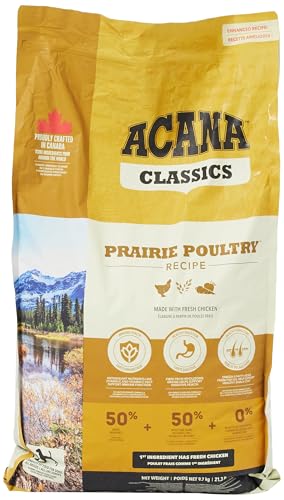
Whether your pet needs a high-protein diet for energy and muscle support or has specific dietary restrictions, both Acana and Orijen offer a variety of options to meet these needs.
For example, Orijen’s Biologically Appropriate pet foods are designed to mimic a dog’s natural diet, while Acana provides recipes tailored to different life stages and breed sizes.
Budget considerations are also significant when selecting a dog food brand.
While both Acana and Orijen offer premium-quality products, their price points may differ.
Ensure that you choose a brand that fits within your budget while still meeting your dog’s nutritional needs.
The Impact of Quality Ingredients on Your Dog’s Health
The emphasis on quality ingredients in Acana and Orijen dog foods plays a vital role in benefiting your dog’s overall health.
High-quality proteins, such as free-range poultry, wild-caught fish, and grass-fed meats, provide essential amino acids and promote muscle development and maintenance.
In addition to proteins, both brands prioritize the inclusion of nutrient-rich fruits, vegetables, and botanicals that contribute to your dog’s overall well-being.
Ingredients like sweet potatoes, blueberries, and kelp offer essential vitamins, minerals, and antioxidants to support your dog’s immune system and overall health.
By choosing a dog food brand that prioritizes quality ingredients, you can rest assured that you are providing your canine companion with a wholesome and balanced diet that promotes longevity and vitality.
Trends and Innovations in High-Protein Dog Foods
The competition between Acana and Orijen reflects the ongoing trends and innovations in the pet food industry, particularly in the realm of high-protein dog foods.
As pet owners increasingly prioritize their dogs’ health and well-being, brands like Acana and Orijen continue to develop advanced formulations that cater to these evolving needs.
Recent innovations in high-protein dog foods include the incorporation of novel protein sources, such as venison and bison, to offer diverse options for dogs with food sensitivities.
Additionally, the use of probiotics and prebiotics in dog
The Importance of Regular Hydration
In addition to providing high-quality, nutritious food, ensuring that your dog stays properly hydrated is crucial for their overall health and well-being.
Water is essential for various bodily functions, including digestion, nutrient absorption, and temperature regulation.
Encouraging your dog to drink an adequate amount of water throughout the day is key to preventing dehydration and maintaining optimal health.
Consider incorporating wet food or adding water to dry kibble to increase your dog’s moisture intake.
Importance of Hydration for Digestion and Nutrient Absorption
Proper hydration plays a vital role in supporting optimal digestion and nutrient absorption in dogs.
Water helps to break down food in the stomach, aiding in the digestion process.
Additionally, it assists in the absorption of essential nutrients from food in the intestinal tract.
Without adequate hydration, dogs may experience digestive issues such as constipation or difficulty absorbing nutrients, leading to potential health concerns.
Signs of Dehydration in Dogs
It’s important for pet owners to be aware of the signs of dehydration in dogs.
Common symptoms include dry gums, sunken eyes, lethargy, excessive panting, and a loss of skin elasticity.

Recognizing these signs early on can help prompt intervention to prevent dehydration-related health issues.
If you suspect your dog is dehydrated, consult with your veterinarian for guidance on hydration strategies and potential treatments.
Tips for Encouraging Hydration in Dogs
Recommended to our readers: Click here
Encouraging your dog to drink an adequate amount of water can sometimes be a challenge, especially for picky eaters.
Consider using a pet fountain, which can attract dogs with its flowing water and encourage them to drink more.
Additionally, incorporating wet food into their diet or adding low-sodium broth to their water bowl can make hydration more enticing.
Monitoring your dog’s water intake and ensuring fresh, clean water is always available are key practices in promoting proper hydration.
Transitioning Between Foods
When switching your dog’s food, whether from one brand to another or between different formulas within the same brand, a gradual transition is recommended to prevent digestive upset.
Recommended to our readers: Click here
Start by mixing a small amount of the new food with the old food and gradually increase the proportion of the new food over 7-10 days.
Monitor your dog for any signs of digestive issues such as diarrhea, vomiting, or reluctance to eat, and consult your veterinarian if you have any concerns.
Importance of a Gradual Transition
Transitioning your dog’s food gradually is crucial to maintain their digestive health and overall well-being.
Abrupt changes in diet can lead to gastrointestinal upset, causing symptoms like diarrhea, vomiting, or even food aversion.
By slowly introducing the new food while still providing the familiar old food, you give your dog’s system time to adjust and reduce the likelihood of digestive issues.
How to Implement a Gradual Transition
To start the transitioning process, mix a small amount of the new food with your dog’s current food.
The initial ratio can be around 75% old food to 25% new food.

Over the next 7-10 days, gradually increase the proportion of the new food while decreasing the amount of the old food.
This gradual increase ensures that your dog’s stomach can adapt to the new ingredients without causing any stress on their digestive system.
Understanding Signs of Digestive Issues
During the transitioning phase, it’s essential to closely monitor your dog for any signs of digestive problems.
Look out for changes in their stool consistency, vomiting, excessive gas, or a lack of appetite.
These symptoms can indicate that the new food may not be suitable for your dog’s digestive system.
If you notice any of these issues persisting or worsening, consult your veterinarian for guidance on how to proceed.
Example Transition Schedule
Here is an example of a transition schedule you can follow over a 10-day period:
– Days 1-3: 75% old food, 25% new food
– Days 4-6: 50% old food, 50% new food
– Days 7-9: 25% old food, 75% new food
– Day 10: 100% new food
Remember, every dog is different, so adjust the transitioning timeline based on how your dog is responding to the changes in their diet.
Tailoring Your Dog’s Diet
Every dog is unique, with individual dietary requirements based on factors such as breed, age, activity level, and overall health status.
Consult with your veterinarian to determine the most suitable diet for your dog and make any necessary adjustments as their needs change over time.
Regular vet check-ups can help assess your dog’s weight, body condition, and overall health, ensuring that they are receiving the right balance of nutrients to thrive.
Factors Influencing Your Dog’s Dietary Needs
1.
Breed: Different dog breeds have varying nutritional requirements.
For example, large breeds may benefit from diets that support joint health and bone density, while small breeds may need smaller kibble sizes or higher energy density foods to meet their needs.
2.
Age: Puppies, adult dogs, and seniors have different dietary needs.
Puppies require diets higher in protein and calories to support their growth, while senior dogs may need lower-calorie options to maintain a healthy weight.
3.
Activity Level: A highly active dog will need a diet that provides more energy, whereas a sedentary dog may require a lower-calorie formula to prevent weight gain.
4.
Health Conditions: Dogs with medical conditions like allergies, diabetes, or kidney disease may require specialized diets.
Consult with your vet to address any dietary restrictions or necessary nutrient adjustments.
Adjusting Your Dog’s Diet Over Time
As your dog ages, their nutritional requirements will change.
It’s essential to monitor their weight and body condition to ensure they are getting the right balance of nutrients.
While puppies need more frequent meals throughout the day, adult dogs typically do well with one to two meals daily.
Monitor your dog’s physique and energy levels to determine if any adjustments to their diet are necessary.
Regular vet check-ups are crucial for assessing your dog’s overall health and catching any potential issues early on.
Your veterinarian can provide guidance on portion sizes, feeding frequency, and the best type of diet for your dog based on their individual needs.
By tailoring your dog’s diet to their specific requirements, you can help ensure they lead a healthy and happy life.
Remember, every dog is unique, so what works for one may not work for another.
Consult with your vet to create a personalized nutrition plan that meets your dog’s needs at every stage of life.
Homemade vs Commercial Diets
While some pet owners opt to prepare homemade diets for their dogs, it is essential to ensure that these diets are nutritionally balanced and meet all of your dog’s dietary needs.
Commercial dog foods like Acana and Orijen are formulated by pet nutrition experts to provide complete and balanced nutrition, taking the guesswork out of meal planning.
If you choose to feed your dog a homemade diet, consult with a veterinary nutritionist to create a diet that meets your dog’s specific requirements.
Nutritional Balance in Homemade Diets
Ensuring that homemade diets for dogs are nutritionally balanced involves a careful combination of various food groups to provide the necessary nutrients.
This includes a proper balance of proteins, carbohydrates, fats, vitamins, and minerals to support your dog’s overall health and well-being.
For example, a homemade diet for a dog should include high-quality protein sources such as lean meats, fish, eggs, and dairy, along with carbohydrates from sources like whole grains, fruits, and vegetables.
Individual Dietary Needs
One advantage of homemade diets is the ability to tailor the food to meet an individual dog’s specific dietary needs.
Dogs with allergies, sensitivities, or certain health conditions may benefit from a customized homemade diet that eliminates ingredients causing issues or includes supplements to address particular health concerns.
Working with a veterinary nutritionist can help identify the specific needs of your dog and create a diet plan that addresses those requirements effectively.
The Role of Treats in Your Dog’s Diet
Treats are a fun way to reward your dog for good behavior and strengthen the bond between you and your furry friend.
When selecting treats for your dog, opt for high-quality, natural options that complement their regular diet.
Use treats in moderation to prevent excessive weight gain and ensure that they are factored from Acana and Orijen into your dog’s overall daily caloric intake.
Importance of High-Quality Treats
Choosing high-quality treats for your dog is essential to ensure they are receiving optimal nutrition and avoiding unnecessary additives or fillers.
Look for treats made with real meat, fruits, and vegetables, as these ingredients provide valuable nutrients for your dog’s health.
Avoid treats with artificial colors, flavors, and preservatives, as these can have negative effects on your dog’s well-being.
Variety of Treat Options
There are various types of treats available for dogs, such as soft chews, crunchy biscuits, freeze-dried treats, and dental chews.
Experiment with different textures and flavors to see which treats your dog enjoys the most.
Additionally, consider your dog’s dietary needs and any food sensitivities they may have when selecting treats.
Homemade Treats
If you prefer to have more control over what goes into your dog’s treats, consider making them at home.
There are many simple recipes available for homemade dog treats using ingredients like pumpkin, peanut butter, oats, and chicken.
By making treats yourself, you can ensure that they are free from unnecessary fillers and artificial ingredients.
Training and Bonding with Treats
Treats can be a valuable tool for training your dog and reinforcing positive behavior.
Use small, tasty treats as rewards during training sessions to encourage good habits and strengthen the bond between you and your dog.
Positive reinforcement through treats can help create a positive association with learning new commands and behaviors.
Exercise and Activity Level
In addition to providing your dog with a nutritious diet, regular exercise and physical activity are essential for maintaining their overall health and well-being.
Engaging in activities such as walks, playtime, and mental stimulation can help prevent obesity, strengthen the bond between you and your dog, and promote a healthy lifestyle.
Tailor your dog’s exercise routine to their age, breed, and individual energy levels to ensure they stay happy and fit.
Importance of Regular Exercise
Regular exercise is crucial for your dog’s physical and mental health.
It helps maintain a healthy weight, improves cardiovascular health, strengthens muscles, and provides mental stimulation.
Dogs, just like humans, need physical activity to stay in good shape and ward off health issues such as obesity and joint problems.
Incorporating consistent exercise into your dog’s routine can also reduce anxiety and behavioral problems, as it helps them release excess energy and stay mentally engaged.
Types of Physical Activities
There are various ways to incorporate physical activities into your dog’s daily routine.
Taking your dog for walks, playing fetch in the yard, engaging in interactive games like tug-of-war, or enrolling them in agility or obedience training classes are all excellent options.
Swimming is another fantastic form of exercise for dogs, especially beneficial for those with joint issues or in hot weather.
Mixing up the activities can keep your dog engaged and prevent boredom, making exercise time enjoyable for both you and your furry friend.
Tailoring Exercise to Your Dog’s Needs
When determining your dog’s exercise regimen, consider factors such as their age, breed, size, and energy levels.
Puppies have different exercise requirements than senior dogs, while high-energy breeds may need more vigorous activities compared to low-energy breeds.
Keep in mind any health conditions or physical limitations your dog may have when planning their exercise routine.
It’s essential to strike a balance between challenging your dog physically and avoiding overexertion to ensure they stay healthy and happy.
Monitoring Your Dog’s Health
As a responsible pet owner, it’s crucial to monitor your dog’s health and behavior regularly.
Keep an eye out for changes in appetite, weight, energy levels, coat condition, and bathroom habits, as these can indicate underlying health issues.
Schedule regular check-ups with your veterinarian to ensure your dog receives timely vaccinations, parasite prevention, and health screenings to catch potential problems early on.
Signs to Watch Out For:
Monitoring your dog’s health involves paying attention to subtle changes in their behavior and physical appearance.
Look out for signs such as decreased appetite, sudden weight loss or gain, excessive lethargy or hyperactivity, dull or brittle coat, and abnormalities in their bathroom habits.
For instance, if your dog is usually a hearty eater but suddenly loses interest in food, it could be a red flag for an underlying health issue.
Similarly, if you notice that your dog is urinating more frequently or having difficulty passing stool, it’s important to seek veterinary advice promptly.
Keeping a Health Journal:
Recommended to our readers: Click here
Consider maintaining a health journal for your dog, where you can record day-to-day observations such as eating habits, exercise routines, any unusual behaviors, and even changes in the environment that could affect their health.
This journal can help you track patterns and provide valuable information to your veterinarian during check-ups or in case of sudden illness.
Importance of Regular Veterinary Check-ups:
Regular veterinary check-ups are essential for ensuring your dog’s overall well-being.
These visits allow your vet to conduct thorough physical examinations, administer necessary vaccinations, and recommend preventive care measures tailored to your dog’s specific needs.
Additionally, routine health screenings can help detect underlying health issues early, increasing the chances of successful treatment and management.
Age-Related Health Considerations:
As your dog ages, their health requirements may change.
Pay special attention to age-related concerns such as arthritis, dental issues, cognitive decline, and changes in mobility.
Recommended to our readers: Click here
Older dogs may require more frequent check-ups and specialized care to manage age-related conditions effectively.
Discuss with your vet about adjusting your dog’s diet, exercise routine, and supplementation to support their health as they grow older.
Behavioral Health and Stress Management:
In addition to physical health, it’s crucial to monitor your dog’s behavioral well-being.
Changes in behavior such as increased aggression, anxiety, or excessive barking can sometimes be linked to underlying health issues or stress triggers.
Creating a safe and stimulating environment, providing regular exercise, and engaging in positive reinforcement training can help support your dog’s mental health and overall well-being.
If you notice persistent behavioral changes, consult with a professional trainer or behaviorist for guidance.
Conclusion:
By prioritizing regular monitoring of your dog’s health, maintaining a health journal, scheduling routine veterinary check-ups, addressing age-related concerns, and supporting behavioral well-being, you can ensure that your furry companion enjoys a happy and healthy life.
Investing time and attention in
Environmental Enrichment
Providing your dog with a stimulating and enriching environment is key to their mental and emotional well-being.
Offer a variety of toys, puzzles, and interactive games to keep your dog mentally engaged and prevent boredom.
Create safe spaces where your dog can relax and feel secure, and consider incorporating training sessions, socialization opportunities, and outdoor adventures to enrich their lives and strengthen your bond.
Importance of Environmental Enrichment:
Environmental enrichment is crucial for dogs to lead a fulfilling and balanced life.
Just as humans benefit from mental stimulation and social interaction, dogs also thrive when their environment offers a variety of engaging activities.
Enrichment helps prevent behavioral issues that can arise from boredom or lack of mental stimulation, such as excessive barking, chewing, or digging.
By providing a stimulating environment, you are not only promoting your dog’s well-being but also fostering a strong and healthy bond with your furry companion.
Types of Enrichment Activities:
1.
Toys and Puzzles: Introducing a mix of toys that cater to different play styles and challenges can keep your dog mentally engaged.
Consider puzzle toys that dispense treats or toys designed to encourage problem-solving skills.
2.
Interactive Games: Interactive games like hide-and-seek or fetch can provide mental and physical exercise while strengthening the bond between you and your dog.
3.
Training Sessions: Training sessions not only teach your dog new skills but also provide mental stimulation and a sense of accomplishment.
You can work on obedience training, agility exercises, or even teach fun tricks to keep your dog’s mind sharp.
4.
Socialization Opportunities: Regular socialization with other dogs and people is essential for a well-rounded and socially adept dog.
This can include playdates with other dogs, visits to dog parks, or structured activities like obedience classes.
5.
Outdoor Adventures: Taking your dog on outdoor adventures, such as hikes, beach trips, or exploring new trails, can provide sensory stimulation and a change of scenery that enriches their life.
Creating Safe Spaces:
In addition to offering stimulating activities, it’s important to create safe spaces where your dog can retreat and relax when needed.
These safe spaces can be cozy beds, crates, or designated quiet areas where your dog can unwind and feel secure.
Providing a comfortable and quiet sanctuary allows your dog to recharge and de-stress, contributing to their overall well-being.
Final Thoughts
When it comes to choosing between Acana and Orijen high-protein dog foods, pet owners are presented with two exceptional options that prioritize quality, nutrition, and delicious flavors.
Whether you opt for Acana’s locally sourced ingredients or Orijen’s meat-rich formulations, rest assured that both brands offer top-tier products that cater to your dog’s dietary needs and taste preferences.
By considering factors such as ingredient quality, nutritional profiles, flavor variety, pricing, customer feedback, and sustainability, you can make an informed decision that aligns with your dog’s specific requirements and your personal values.
Remember to consult with your veterinarian for tailored advice and guidance on selecting the best high-protein diet for your furry friend.
In conclusion, providing your dog with a well-balanced, high-protein diet from reputable brands like Acana and Orijen is a crucial step in ensuring their overall health, happiness, and longevity.
By staying informed about the latest advancements in pet nutrition, engaging in regular vet check-ups, promoting exercise and mental stimulation, and monitoring your dog’s health, you can give your
Comparing Ingredient Quality and Sourcing Methods
Both Acana and Orijen place a strong emphasis on using high-quality ingredients in their formulations.
Acana sources ingredients locally from trusted suppliers, ensuring freshness and minimizing environmental impact with shorter transportation distances.
On the other hand, Orijen goes a step further by focusing on including a variety of fresh and raw meats in their recipes, mimicking a carnivorous diet for dogs.
Their “whole prey” approach includes the use of muscle meat, organs, and cartilage to provide a nutrient-rich diet that closely resembles what dogs would consume in the wild.
Nutritional Profiles and Unique Formulations
Acana and Orijen both offer high-protein diets that are well-balanced and tailored to support canine health.
Acana’s recipes contain a blend of whole protein sources like chicken, turkey, fish, and eggs, along with fruits, vegetables, and botanicals for added nutritional benefits.
Orijen, on the other hand, boasts formulations with even higher protein content, often exceeding 38% protein in their recipes.
Their “Biologically Appropriate” philosophy focuses on providing diets rich in meats, with limited carbohydrate content, to reflect a dog’s evolutionary diet.
Flavor Variety and Tailored Options
Both brands offer a range of flavors to cater to different taste preferences and dietary requirements.
Acana provides options like Free-Run Poultry, Wild-Caught Fish, and Heritage Red Meat, ensuring that pet owners can find a flavor that their dog loves.
Orijen offers unique formulations such as Six Fish, Regional Red, and Tundra, each incorporating a mix of premium protein sources for a diverse and enticing meal selection.
Pet owners can rotate between flavors to prevent mealtime boredom and ensure a well-rounded diet for their furry companions.
Pricing, Customer Feedback, and Sustainability
When comparing Acana and Orijen, it’s essential to consider factors beyond just the product itself.
Pricing may vary between the brands, with Orijen typically positioned at a higher price point due to its premium ingredients and formulations.
Customer feedback can provide valuable insights into the palatability, digestibility, and overall satisfaction with each brand’s products.
Sustainability is another crucial aspect to consider, with both Acana and Orijen implementing practices to reduce their environmental footprint, such as using responsibly sourced ingredients and eco-friendly packaging.
Consultation with Veterinarians and Monitoring Health
While choosing between Acana and Orij