Apple HomePod vs Google Home Max: A Battle of Smart Speakers
In the ever-evolving world of smart home devices, two tech giants stand at the forefront with their premium smart speakers – the Apple HomePod and the Google Home Max.
These devices are not merely speakers but rather intelligent assistants designed to seamlessly integrate into our lives, entertaining us with music, aiding us with everyday tasks, and transforming our living spaces into smart homes.
In this in-depth comparison, we explore the unique features, design nuances, sound quality, smart capabilities, and overall user experience of the Apple HomePod and Google Home Max to help you make an informed decision on which smart speaker suits your needs best.
Unboxing and Design: Unveiling the Aesthetics
Upon unboxing the sleek Apple HomePod, its minimalist design immediately captivates the eye.
The cylindrical shape, covered in a seamless fabric mesh, exudes a sense of elegance and simplicity that is quintessentially Apple.
The device stands at a compact height, making it easy to place in various locations around your home.
In contrast, the Google Home Max boasts a more robust and angular design, featuring dual 4.5-inch woofers on each side.
While the Home Max may appear bulkier, its design language appeals to those seeking a more prominent sound presence in their living spaces.
Both devices come in neutral colors that blend seamlessly with modern home decor, ensuring they complement the aesthetic of any room.
Aesthetic Appeal of Apple HomePod:
The Apple HomePod not only impresses with its sleek and minimalist design but also pays attention to detail in every aspect.
The soft yet durable fabric mesh not only adds a touch of sophistication but also serves a functional purpose by allowing sound to pass through unimpeded.
The choice of materials and finishes reflects Apple’s commitment to creating products that are not only visually pleasing but also built to last.
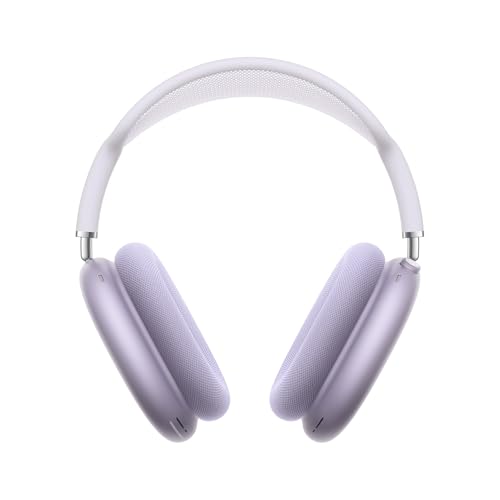
Furthermore, the compact height of the HomePod makes it versatile in terms of placement, whether it’s on a side table, bookshelf, or kitchen counter.
This thoughtful design approach ensures that the HomePod seamlessly integrates into any home environment, adding a touch of elegance to the space.
Design Innovation of Google Home Max:
In contrast to the Apple HomePod, the Google Home Max stands out with its more robust and angular design, signaling a different approach to both aesthetics and functionality.
The incorporation of dual 4.5-inch woofers on each side of the Home Max not only enhances its visual appeal but also highlights its focus on delivering powerful and immersive sound.
The angular lines and solid construction of the device exude a sense of strength and presence, making it a statement piece in any room.
Google has effectively merged form and function in the design of the Home Max, catering to users who prioritize both style and performance in their audio equipment.
Harmonizing with Modern Interiors:
Both the Apple HomePod and Google Home Max are available in neutral color options that align with contemporary interior design trends.
The choice of colors, such as white, black, or gray, allows these smart speakers to seamlessly blend into a variety of home decor styles, from minimalist and Scandinavian to industrial and eclectic.
By offering a cohesive visual aesthetic, these devices ensure that they do not disrupt the existing design scheme of a room but rather enhance it.
Whether placed in a living room, bedroom, or home office, the Apple HomePod and Google Home Max effortlessly complement the surroundings, creating a harmonious and sophisticated atmosphere.
Sound Quality: The Heartbeat of a Smart Speaker
When it comes to sound quality, the Apple HomePod and Google Home Max deliver audio experiences that cater to different preferences.
The HomePod, with its custom-designed high-excursion woofer and array of seven tweeters, offers a 360-degree sound output that fills the room with rich, detailed audio.
Apple’s emphasis on acoustics and spatial awareness allows the HomePod to adapt its sound profile to the room’s acoustics, ensuring an immersive listening experience from any corner.
On the other hand, the Google Home Max stands out with its powerful sound performance, powered by dual 4.5-inch woofers and custom tweeters.
The Max emits deep, resonant bass that is sure to please audiophiles craving a more substantial low-end presence in their music.
Whether you prefer the balanced audio output of the HomePod or the bass-heavy quality of the Home Max, both devices excel in producing high-fidelity sound that elevates your listening experience.
The Apple HomePod Sound Quality:

Apple’s dedication to delivering superior sound quality is evident in the design of the HomePod.
The high-excursion woofer, custom-engineered by Apple, is capable of producing deep, distortion-free bass that enhances the overall audio experience.
Combined with the seven tweeters strategically placed around the speaker, the HomePod achieves a 360-degree sound output that immerses listeners in detailed, room-filling soundscapes.
Whether you’re listening to classical music or the latest pop hits, the HomePod’s ability to adapt its sound profile to the unique acoustics of any room ensures consistent, high-quality audio performance.
Another standout feature of the HomePod is its integration of spatial awareness technology.
Through advanced algorithms, the speaker can analyze its surroundings and optimize sound output based on the room’s size and layout.
This means that whether you place the HomePod in a spacious living room or a cozy bedroom, you can expect the same level of immersive sound quality tailored to the specific environment.
This adaptability sets the HomePod apart as a smart speaker that truly prioritizes the listener’s experience.
The Google Home Max Sound Quality:
In contrast to the HomePod’s focus on balanced audio, the Google Home Max caters to users who crave powerful, bass-heavy sound performance.
Equipped with dual 4.5-inch woofers, the Home Max delivers deep, resonant bass that adds a significant punch to any music genre.
Whether you’re a fan of electronic dance music or hip-hop tracks with booming beats, the Home Max ensures that the low-end frequencies are rendered with impressive clarity and impact.
The custom tweeters in the Google Home Max further contribute to its exceptional sound quality by delivering crisp highs and detailed mid-range frequencies.
This combination of powerful bass and clear treble results in a dynamic audio experience that excels in bringing out the nuances of your favorite songs.
Whether you’re hosting a party or enjoying a solo listening session, the Google Home Max’s ability to fill a room with robust, detailed sound makes it a top contender in the smart speaker market.
Smart Capabilities: The Brainpower Behind the Sound
Beyond their stellar audio performance, the Apple HomePod and Google Home Max are equipped with advanced smart features that make them indispensable hubs for smart home control and virtual assistance.
The HomePod’s integration with Siri allows for seamless voice commands to play music, set reminders, control smart home devices, and even answer general inquiries.
Siri’s intelligence continues to evolve, ensuring that the HomePod remains at the forefront of smart speaker capabilities.
Conversely, the Google Home Max leverages the power of Google Assistant, offering a vast repository of information and a more conversational AI experience.
Google Assistant’s ability to understand context and provide personalized responses sets the Home Max apart in terms of virtual assistance.
Whether you prioritize Apple’s ecosystem integration or Google’s vast knowledge graph, both devices excel in simplifying daily tasks and enriching your smart home experience.
Siri and HomePod Integration:
With Siri’s integration into the HomePod, users can enjoy a seamless experience of controlling their smart home devices with just their voice commands.
For example, you can instruct Siri to dim the lights, adjust the thermostat, or even lock the doors, all without lifting a finger.
The ability to set reminders or create to-do lists hands-free adds a level of convenience that simplifies daily tasks.
Evolving Intelligence of Siri:
One remarkable aspect of the HomePod is Siri’s evolving intelligence.
Recommended to our readers: Click here
Apple continually updates Siri’s capabilities, ensuring that the smart assistant remains relevant and efficient.
This means that users can expect improvements in Siri’s responses to commands and inquiries over time, making the HomePod a long-term investment in smart home technology.
Google Assistant and Home Max Features:
On the other hand, the Google Home Max’s main strength lies in its utilization of Google Assistant.

This AI-powered smart assistant offers a wealth of information at your fingertips, enabling users to ask questions, receive news updates, and interact in a more conversational manner.
Recommended to our readers: Click here
For instance, you could ask Google Assistant about the weather forecast, traffic conditions, or even the latest sports scores, and receive accurate and timely responses.
Personalized Assistance with Google Assistant:
Google Assistant’s prowess in understanding context and providing personalized responses sets the Home Max apart in the realm of virtual assistance.
By analyzing your previous interactions and preferences, Google Assistant can offer tailored recommendations, such as suggesting a new recipe based on your dietary preferences or reminding you of upcoming calendar events.
This level of personalization enhances the overall user experience and makes the Home Max a valuable addition to any smart home setup.
User Experience: Navigating the Interface
A crucial aspect of any smart speaker is the user interface that facilitates seamless interactions and commands.
The Apple HomePod prides itself on a user-friendly interface centered around voice commands and touch controls.
The intuitive Siri integration allows users to effortlessly navigate music playlists, adjust volume, and manage smart home devices with simple voice prompts.
In contrast, the Google Home Max emphasizes touch controls on the device itself, complementing voice commands with physical interactions.
The touch-sensitive top panel of the Max enables users to play/pause music, adjust volume, and disable the microphone for privacy with a tap.
Both devices streamline user interactions, offering multiple ways to control the device that cater to individual preferences and convenience.
Siri Integration on Apple HomePod
Recommended to our readers: Click here
The Siri integration on the Apple HomePod goes beyond just basic voice commands.
Users can ask Siri to perform various tasks, such as providing weather updates, setting timers, sending messages, making calls, and even controlling compatible smart home accessories.
Siri’s contextual awareness enables the HomePod to understand follow-up questions and commands, making interactions feel more natural and conversational.
Google Home Max Touch Controls

The touch controls on the Google Home Max offer users a tangible way to interact with the device.
For example, users can tap on the top of the device to play or pause music, swipe to skip tracks, or adjust the volume by sliding a finger across the panel.
Recommended to our readers: Click here
This tactile feedback enhances the user experience by providing physical confirmation of actions taken, which can be especially useful in noisy environments where voice commands may not be as effective.
Personalization and Customization Options
Both the Apple HomePod and Google Home Max offer various customization options to tailor the user experience to individual preferences.

For instance, users can create personalized music playlists, set up routines for smart home automation, or adjust settings for privacy and security.
Recommended to our readers: Click here
These customization features allow users to make their smart speaker experience truly their own, enhancing overall satisfaction and usability.
Accessibility Features
Recommended to our readers: Click here
Inclusivity is an important aspect of user experience design, and both the Apple HomePod and Google Home Max offer accessibility features to cater to a diverse range of users.
This includes options for text-to-speech capabilities, voice recognition training, adjustable touch sensitivity, and compatibility with assistive technologies.
By prioritizing accessibility, these smart speakers ensure that everyone can benefit from their functionalities and features, regardless of individual needs or abilities.
Conclusion: Choosing Your Perfect Harmony
In the battle of Apple HomePod vs Google Home Max, the decision ultimately rests on your unique preferences and priorities.
If you value immersive sound quality with seamless integration into the Apple ecosystem, the HomePod’s superior audio performance and tight Siri integration make it a compelling choice.
On the other hand, if you seek a powerful sound presence with a versatile virtual assistant that excels in knowledge and contextual responses, the Google Home Max delivers an exceptional audio experience coupled with the prowess of Google Assistant.
Whether you lean towards the understated elegance of Apple’s design philosophy or the bold audio performance of Google’s offering, both the HomePod and Home Max represent the pinnacle of smart speaker technology, enriching your home with intelligent capabilities and immersive soundscapes.
Embrace the future of smart living with a device that harmonizes with your lifestyle and elevates your auditory experience to new heights.
Immersive Sound Quality and Ecosystem Integration
When comparing the Apple HomePod and Google Home Max, it’s important to delve deeper into what sets these smart speakers apart.
The HomePod is renowned for its top-tier audio performance, characterized by rich bass, crisp highs, and a well-balanced sound profile.
Apple’s engineering expertise shines through in the HomePod’s ability to deliver a truly immersive listening experience, whether you’re enjoying music, podcasts, or movies.
Moreover, its seamless integration with the Apple ecosystem ensures that users can effortlessly stream content from their Apple devices and access their favorite Apple Music playlists with just a voice command.
The Power of Google Assistant
On the other hand, the Google Home Max excels in its virtual assistant capabilities, thanks to the powerful Google Assistant onboard.
Google Assistant’s vast knowledge base allows for accurate and contextually relevant responses to a wide range of queries, making the Home Max a valuable companion for tasks beyond just playing music.
From answering trivia questions to controlling smart home devices and setting reminders, Google Assistant adds a layer of intelligence and utility to the Home Max that goes beyond traditional speaker functionality.
Design Philosophy: Elegance vs. Performance
Aesthetics also play a significant role in the decision-making process between the HomePod and Home Max.
Apple’s design ethos, characterized by minimalist elegance and premium materials, is evident in the sleek, cylindrical form factor of the HomePod.
Its understated appearance blends seamlessly with modern home decor, adding a touch of sophistication to any room.
In contrast, the Google Home Max adopts a more utilitarian design approach, emphasizing performance and audio output with its larger size and dual subwoofers.
The Home Max’s bold presence makes it a focal point in any entertainment setup, signaling its commitment to delivering high-fidelity sound without compromise.
Future-Proof Smart Living
Ultimately, choosing between the Apple HomePod and Google Home Max means embracing the future of smart living.
These smart speakers not only enhance your daily routines with intelligent features but also elevate your home entertainment experience to new heights.
Whether you prioritize superior audio quality, seamless ecosystem integration, virtual assistant prowess, or design aesthetics, both the HomePod and Home Max offer a gateway to a smarter, more connected lifestyle.
Select a device that resonates with your preferences, and unlock a world of possibilities where cutting-edge technology harmonizes with your personal style and elevates your auditory journey.